
Flamenco in Triana Guide
Why Triana is the spiritual home of Sevillian flamenco, what its riverside identity means for the shows you can see today, how to combine a performance with the neighbourhood's tapas and ceramics, and how to behave with respect in its more intimate rooms.

Photo: Anual / Wikimedia Commons · CC BY-SA 4.0
- ✓Triana, across the Guadalquivir, is one of the historic cradles of flamenco — its old gitano community shaped the art, and the neighbourhood still wears it as identity.
- ✓The best Triana flamenco evening pairs a show with the area's tapas, ceramics and a riverside walk along Calle Betis.
- ✓You'll find both visitor-friendly venues and a stronger peña tradition here; choose by how immersive a night you want.
- ✓Eat late, Spanish-style: a tapas crawl before the show, the performance later in the evening.
- ✓Triana is an easy, atmospheric walk from the centre across the Isabel II (Triana) bridge.
- ✓Specific venues, schedules and prices change — confirm the night's programme and booking close to your trip.
Why Triana is flamenco's home ground
Cross the Isabel II bridge from the centre and you enter a neighbourhood that thinks of itself as a town apart — and as one of the true cradles of flamenco. Triana's old riverside community, with deep gitano roots, was for generations a furnace of the art, producing singers, dancers and dynasties whose names still echo through the cante. The water and the working trades of potters and sailors shaped a place with its own pride and rhythm, and flamenco grew here not as entertainment but as the sound of a community's joy and grief. That history is why a flamenco night in Triana carries a weight that a generic show elsewhere doesn't.
Today the old gitano riverbank has changed — the original neighbourhood was largely cleared and rebuilt last century — but the identity is fierce and the music never left. Triana still wears flamenco openly: in tiled tributes to its great artists, in the bars where a spontaneous palmas can break out, and in venues that range from welcoming to deeply local. Coming here for flamenco is partly about the performance and partly about standing in the place that helped invent it, then folding the show into an evening of the neighbourhood's tapas, ceramics and river light.
At a glance
A quick-reference card before the detail — Triana's flamenco character, what to see, and how to build the evening.
- Identity: a historic cradle of flamenco with deep gitano roots and fierce local pride.
- Venue types: visitor-friendly shows and a stronger, more local peña tradition than the centre.
- Pair with: a tapas crawl, the riverside terraces of Calle Betis, and Triana's ceramics.
- Timing: eat late — tapas first, the show later, Spanish-style.
- Getting there: a short, scenic walk over the Isabel II (Triana) bridge from the centre.
- Etiquette matters more in intimate rooms — arrive on time, hold applause, mind photos.
- Verify the night's programme, start time and booking policy close to your trip.
What kind of flamenco you'll find here
Triana offers the same broad spectrum as the rest of Seville, but tilted toward the local and the rooted. You'll find welcoming, ticketed venues that put on regular shows for visitors and residents alike — a reliable way to see good flamenco on the neighbourhood's home turf — alongside a stronger tradition of peñas, the members' clubs where aficionados gather to listen in a plain back room. Because the area is the historic heart of the art, even the more visitor-facing shows here tend to feel less processed than the largest commercial productions elsewhere in the city.
Choose by how immersive a night you want. For a dependable, bookable show with the bonus of Triana's atmosphere on either side of it, a ticketed venue is ideal and a great first flamenco experience. For something rawer and more communal, a peña delivers — but it asks more of you, with irregular schedules, a reserved welcome and an audience that knows the music intimately, so it rewards a little homework and a respectful, guest-like manner. Whichever you pick, the neighbourhood does the rest of the evening's work.
- Visitor-friendly venues — regular, bookable shows with Triana's atmosphere around them.
- Peñas — members' clubs, more communal and raw; irregular and harder to access.
- Even the visitor shows here feel less processed than big commercial productions.
- Pick by immersion: reliability and ease, or rawness and homework.
Reading the neighbourhood's flamenco soul
Part of what makes a flamenco night in Triana special happens outside the venue, in the texture of the place itself. Walk the lanes and you'll spot tiled tributes and plaques to the great cantaores and bailaoras the barrio produced, the kind of public memory that tells you this music is woven into local identity rather than staged for visitors. Triana's pride in its own story is famous — locals will tell you it is a town within the city — and flamenco is one of the threads that pride is spun from, alongside the river, the ceramics and the sailors and potters who once filled these streets.
You feel it most in the small things: a burst of palmas drifting out of a doorway, an older couple who clearly know every word of a cante, the way a bar can tip from chatter into a charged hush when someone starts to sing. None of this is scheduled, and you can't chase it down, but spending an unhurried evening in the neighbourhood — eating, walking, listening — puts you in the way of it. Approach Triana's flamenco as something to absorb as much as to attend, and even a single booked show becomes part of a larger, atmospheric whole that a stand-alone venue elsewhere can't replicate.
- Look for tiled tributes and plaques to Triana's great singers and dancers.
- The barrio's fierce local pride is part of why its flamenco carries weight.
- Spontaneous palmas or a sung cante can surface in the bars — unplannable, unmissable.
- Treat the evening as something to absorb, not just a show to attend.

Building the evening: tapas, river and show
The pleasure of flamenco in Triana is that the show is only one part of a complete neighbourhood evening. Start with a tapas crawl through the old tiled bars on and behind Calle San Jacinto and around the market, grazing a couple of small plates and a cold drink at each — fried fish, good ham, a glass of fino — then drift toward the river. Calle Betis, the lane right along the Guadalquivir, is lined with terraces that look back across the water to the floodlit cathedral and the Torre del Oro: the classic place for a drink at the blue hour before a show. Eat early-evening here only by Spanish standards, which means later than you think.
Time the performance for after dinner, the way the city does. Most shows run in the later evening, so a long, slow tapas-and-river build-up fits perfectly, and you arrive warmed up rather than rushed. Round it off with a stroll back over the bridge under the lights, or stay in Triana for one last copa. If you're here in the daytime too, the neighbourhood's famous ceramics workshops and the Triana ceramics centre make a natural pairing — the same proud, hand-made local culture that produced the flamenco produced the tiles.
- Crawl the old bars around Calle San Jacinto and the market before the show.
- Drink on Calle Betis at dusk for the across-the-river view of the lit old town.
- Schedule the show for later evening, after a long, slow tapas build-up.
- By day, pair it with Triana's ceramics workshops and market.
Etiquette and respect in Triana's rooms
Because Triana's flamenco runs deeper than spectacle, the small courtesies matter more here than at a big commercial show — especially in intimate venues and peñas. Arrive on time and settle before the music starts; latecomers breaking the spell are the cardinal sin. Keep phones away and don't photograph or film unless it's clearly allowed, since a screen in a dark, close room is both a distraction and a discourtesy to artists giving everything. Above all, listen. Flamenco has quiet, charged passages as well as loud ones, and talking through them marks you instantly as someone who doesn't understand what they're watching.
Applause has its own rhythm, too. Hold it until the natural end of a number rather than scattering it through a piece, and you'll feel the room guide you — the regulars know exactly when to call out a warm 'olé' to spur an artist on, and following their lead is the safest course. None of this is about being stiff; it's about meeting a living art with the respect it's given by the people who keep it alive. Come in that spirit and a Triana flamenco night can be the most moving hour of a Seville trip.
- Arrive on time and settle before the music starts — latecomers break the spell.
- No photos or filming unless clearly permitted; screens distract in a small room.
- Listen through the quiet passages; don't talk over the music.
- Hold applause to the end of a number and let the regulars guide the 'olés'.
Getting there and planning the night
Triana is one of the easiest neighbourhoods to reach: a short, scenic walk from the centre over the Isabel II bridge — also called the Triana bridge — with the river and the old town views as a free overture to the evening. You don't need transport, and arriving on foot at dusk is part of the pleasure. If you're staying in Triana itself, everything is at your doorstep; if you're across the river, allow ten or fifteen minutes to stroll over. The neighbourhood is lively and walkable well into the night.
On planning, book any ticketed show ahead in high season and especially during the autumn Bienal de Flamenco, when the whole city's flamenco calendar runs hot; peñas, by contrast, run on their own irregular schedules and are best approached through a specialist tour or a local contact. Whatever you choose, confirm the night's programme, start time and booking policy with the venue close to your trip, since these change through the year. Then let the evening unspool the Triana way — tapas, the river, the show, and the bridge home under the lights.
- Walk over the Isabel II (Triana) bridge from the centre — no transport needed.
- Book ticketed shows ahead in season and during the autumn Bienal de Flamenco.
- Peñas run on irregular schedules — approach via a specialist tour or local contact.
- Verify programme, start time and booking close to your trip.

Triana Guide
Seville's proud neighbourhood across the Guadalquivir: flamenco roots, ceramic workshops, the Triana market, river-facing terraces on Calle Betis, real tapas, and what it's like to stay on the far bank.
Read guide
Best Flamenco Shows in Seville
How to choose a flamenco show in Seville without falling into the tourist trap: the difference between polished tablaos, intimate small-venue shows, Triana's options, the Flamenco Museum's stage and the serious peñas, plus where each type suits you and how to book a night you'll remember.
Read guide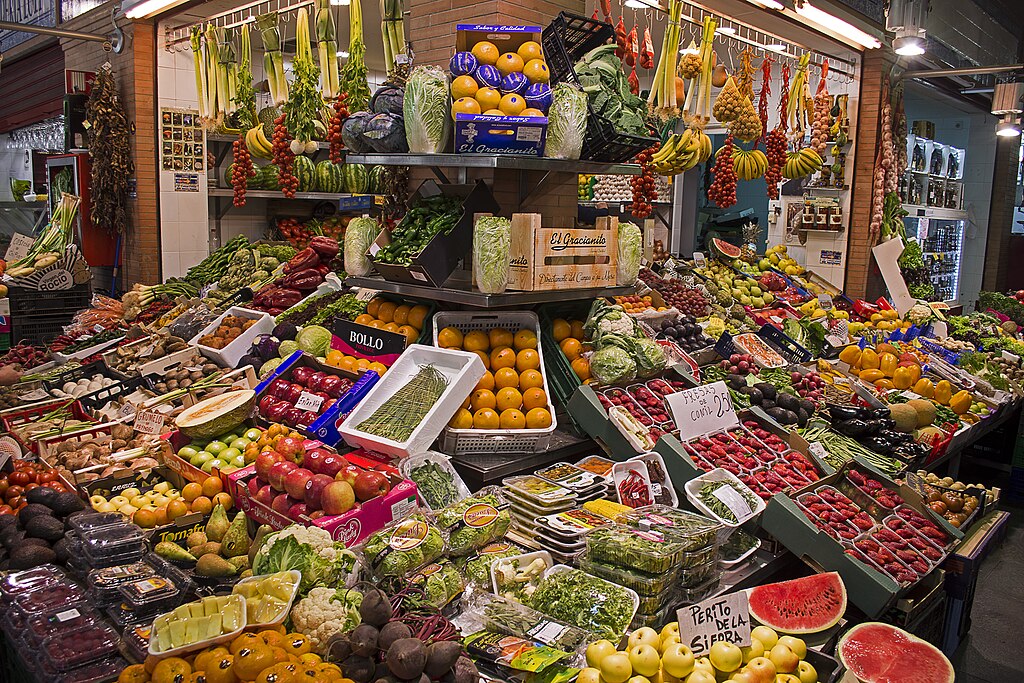
Triana Food Guide
A food-first route through Triana, Seville's proud neighbourhood across the river: the market, the classic tiled tapas bars, the riverside terraces of Calle Betis, fried fish and sherry, and how to thread it all into one perfect afternoon and evening.
Read guideMore in Best Flamenco Shows
3
Flamenco Show Etiquette
How to behave at a flamenco show in Seville so you honour the art and don't break the spell: what to wear, when to arrive, the rules on photos and phones, when to applaud and call 'olé', how dinner-and-show timing works, and the small courtesies that matter most in an intimate room.
Read guide
Museo del Baile Flamenco Guide
How to visit Seville's Museo del Baile Flamenco: what the museum covers, why its context makes a first show richer, the live performances on its stage, ticket and timing strategy, and how it compares with a Triana tablao or a peña.
Read guide
Tablaos vs Peñas in Seville
How to choose between Seville's polished tablaos and its intimate peñas: what each is, who they're for, what a night really feels like, and how to book the kind of flamenco evening you actually want.
Read guide