
Triana Ceramics Center Guide
How to visit the Centro Cerámica Triana: the museum on the site of Triana's historic potteries, with excavated kilns, the story of Seville's tile-making, workshops and shops nearby, and how to weave ceramics into a Triana food-and-river walk.

Photo: Patrick Hendry / Unsplash
- ✓A small, well-designed museum on the very site of Triana's old ceramics workshops — the birthplace of Seville's tile tradition.
- ✓Original excavated kilns sit beneath the modern galleries, preserved under glass — the standout of the visit.
- ✓Tells the centuries-long story of the azulejos (painted tiles) that decorate palaces, churches and benches across the city and beyond.
- ✓In the heart of Triana, steps from the Mercado de Triana and the Guadalquivir — easy to fold into a food-and-river afternoon.
- ✓Compact and affordable; nearby workshops and shops let you buy tiles and ceramics straight from the source.
What the Triana Ceramics Center is
The Centro Cerámica Triana is a museum about the craft that, more than almost any other, gave Seville its look. For centuries the riverside neighbourhood of Triana was the city's ceramics quarter, its workshops and kilns turning out the glazed, hand-painted tiles — azulejos — that clad the courtyards, church towers, shopfronts, fountains and famous park benches you see all over Andalusia. This compact, thoughtfully designed museum sits on the actual site of those historic potteries and tells their story where it happened.
It's a focused, manageable visit rather than a sprawling one, and that's part of its charm. In a tight, modern gallery you move through the history of Trianan ceramics: how the clay was dug from the riverbanks, how the kilns were fired, the techniques and styles that evolved over the centuries, and the families and workshops that kept the tradition alive. The presentation is clean and accessible, with displays of tiles and pots and clear explanations that make sense of a craft most visitors admire without ever quite understanding.
For anyone who has spent a few days in Seville noticing the tiles everywhere — and you will start noticing them — this museum is the key that unlocks them. It turns a backdrop into a story, and it does it in an hour or so, which makes it one of the most rewarding small museums in the city.
The excavated kilns
The highlight, and the thing that lifts this above a conventional display museum, is downstairs: the original kilns of the old workshop, excavated and preserved in place beneath the modern galleries, often viewable under glass and from walkways. Standing over the brick furnaces where Triana's tiles were actually fired — for generations, on this exact spot — gives the whole craft a thrilling physical reality. It is industrial archaeology turned into something genuinely moving.
The contrast between the rough, soot-darkened kilns and the bright, jewel-coloured tiles they produced tells you everything about the work: dirty, hot, skilled and transformative. It's the kind of detail that sticks with you, and it makes the museum a hit even with visitors who arrive thinking they're only mildly interested in pottery. Children and teens often find the kilns the most memorable part too.
- Original ceramics kilns preserved in situ beneath the modern museum.
- Often viewable under glass and from walkways — industrial archaeology up close.
- The vivid contrast between the dark furnaces and the bright tiles they fired.
The story of Seville's tiles
Seville's love of the azulejo runs deep, and Triana is where much of it was made. The tradition blends Moorish roots — the very word azulejo comes from the Arabic for a polished tile — with later Christian and Renaissance styles, producing the cobalt-blue, ochre, green and white geometric and figurative tiles that define the city's visual identity. The painted benches and bridges of Plaza de España, the tiled dados of the Alcázar and a thousand private courtyards all descend from this craft, and much of it was fired in Triana's kilns.
The museum walks you through that lineage: the techniques (from the early cuerda seca and arista methods to later painted tin-glaze), the evolution of the styles, and the rise and partial decline of the local industry as tastes and technology changed. It also celebrates the named workshops and artisan families who carried the tradition into the modern era. By the end you read the city differently — every tiled street sign, shop façade and church tower becomes part of a story you now know.
It pairs especially well with the city's great tile set pieces. After the museum, the painted province alcoves of Plaza de España or the tiled courtyards of the palaces take on a new depth, because you understand how and where they were made.

Workshops, shops and buying ceramics
Triana is still a living ceramics quarter, not just a museum exhibit, and that's a big part of the experience. Around the centre, the streets — Calle San Jorge, Calle Antillano Campos and Calle Alfarería among them, names that recall the potters and kilns — are dotted with ceramics shops and a few working workshops where you can watch tiles and pots being painted and buy them straight from the makers. From a single hand-painted tile to a full dinner set, this is the place to find ceramics with a real provenance.
It makes the museum a natural anchor for souvenir-hunting with substance. Rather than a fridge-magnet bought near the Cathedral, you can leave Triana with a piece of the city's signature craft, made in the neighbourhood that invented it. Prices and what's on offer vary from shop to shop, so browse a few; the smaller artisan studios often have the most distinctive work.
- Ceramics shops and working studios cluster around the museum in Triana's potter streets.
- Buy anything from a single painted azulejo to full dinner services, often direct from makers.
- A more meaningful souvenir than the tourist stalls near the Cathedral.
At a glance
A quick reference for planning. Opening hours, ticket prices and any free or reduced-entry windows are set by the museum's managing authority and do change with the season, so always confirm the current details on the official Centro Cerámica Triana listing before you go. The points below are the evergreen ones.
- What you see: the history of Trianan ceramics, displays of tiles and pots, and the excavated kilns below.
- Where it is: Calle San Jorge, Triana, beside the Mercado de Triana and steps from the river.
- How long: about an hour; longer if you browse the ceramics shops nearby.
- Visit style: self-guided and compact; rarely crowded.
- Good for: anyone curious about the tiles they've seen everywhere, plus families and souvenir-hunters.
- Verify before you go: opening hours, ticket price and any free-entry window (set by the museum).
Triana, the ceramics quarter
The museum makes most sense once you see it as a window onto Triana itself, the riverside neighbourhood that has been bound up with pottery for the best part of a thousand years. The combination of good clay dug from the banks of the Guadalquivir, water for working it and kilns for firing it made this the natural home of the city's potters, and for centuries Triana's workshops supplied tiles and ceramics not just to Seville but across Spain and, via the port, to the Americas. The trade shaped the barrio's geography and even its street names — the alfarerías (potteries) are written into the map.
Triana has always been a place apart, too: traditionally working-class, fiercely proud, separated from the grand centre by the river and famous as a cradle of flamenco and a stronghold of sailors, bullfighters and artisans. The ceramics tradition is woven through all of that — a craft of the hands, passed down in families, made by the same community that gave Spain so much of its music and its sea-dogs. The museum honours that lineage, but the living proof is in the streets outside, where the kilns once roared and a handful of workshops still turn out tiles by hand.
Knowing this changes how the neighbourhood reads. A wander through Triana after the museum isn't just pretty; it's a walk through a working craft district with a thousand-year memory, where the tiled shopfronts and street shrines you pass are the descendants of the very kilns you've just stood over.
Good for families and curious travellers
The ceramics centre is one of those small museums that punches above its weight with a wide range of visitors. Families find it manageable and engaging — it's short, the excavated kilns have an undeniable wow factor, and the bright tiles and the idea of digging clay from the river and firing it in furnaces are easy for children to latch onto. For curious adults, it's the satisfying 'aha' of finally understanding the craft behind the city's most ubiquitous decoration. And for design and craft lovers, it's a direct line to artisans still working a few doors away.
It also models a nice way to travel: pick a thread — in this case, tiles — and follow it through a city. Once you've done the museum, you start noticing azulejos everywhere, reading them as products of a place and a process rather than mere background. That shift, from looking to seeing, is the quiet gift of a visit here, and it travels with you for the rest of the trip and far beyond Triana.
- Short, vivid and manageable — works well with children and teens.
- Great for craft and design lovers, with working studios nearby.
- Turns the city's ever-present tiles from background into a story you can read.
Pair it with a Triana food-and-river walk
The ceramics centre's location makes it the perfect first move in a great Triana afternoon. It sits right beside the Mercado de Triana, the neighbourhood's covered market — itself built over the ruins of the old Castillo de San Jorge — where you can browse stalls of jamón, olives, cheese, fish and produce, and stop at the market's bars for tapas pulled straight from the counter. Ceramics first, then lunch in the market, is a sequence that works beautifully.
From there, the whole of Triana opens up. Walk down to the Guadalquivir and along Calle Betis, the riverside street with its terraces and views back across the water to the Torre del Oro and the old town. Wander the potter streets for ceramics shopping, and stay into the evening for tapas and a flamenco show — Triana being one of the cradles of the art form. The museum gives the afternoon a theme; the food, the river and the music give it soul.
Practical tips for a smoother visit
It's a small museum, so you don't need to plan around timed slots or crowds — an hour at almost any opening time works, though combining it with market lunchtime makes for an easy rhythm. Wear comfortable shoes; there are stairs or ramps down to the kiln level, so check accessibility specifics with the venue if that's a concern. Photography is generally fine, but follow any posted rules.
Most of all, treat the museum as the opening of a Triana day rather than an isolated tick. The real magic is the way it changes how you see the neighbourhood and, by extension, the whole tiled city: you walk out of the kilns and straight into the streets where the craft still lives, with the market, the river and the shops all within a few minutes. Few small museums repay their modest entry quite so generously.
One last tip on getting there: Triana is an easy, pleasant walk from the centre across one of the bridges over the Guadalquivir — the Puente de Isabel II, the handsome iron bridge known to locals simply as the Puente de Triana, lands you almost at the museum's door beside the market. Crossing on foot, with the river on one side and the bell-towers of the old town behind you, is part of the pleasure and sets the scene for an afternoon in Seville's most characterful barrio. Confirm current opening details before you set out, then let the day unfold from the kilns into the streets.
- Comfortable shoes; check accessibility for the steps down to the kiln level.
- Pair it with market lunchtime for an easy ceramics-then-tapas rhythm.
- Use it as the start of a Triana afternoon, not a standalone stop.

Triana Guide
Seville's proud neighbourhood across the Guadalquivir: flamenco roots, ceramic workshops, the Triana market, river-facing terraces on Calle Betis, real tapas, and what it's like to stay on the far bank.
Read guide
What to Buy in Seville
The Seville souvenirs actually worth bringing home: hand-painted ceramics and azulejo tiles, a proper fan, Andalusian olive oil, orange-blossom sweets, sherry, leather and flamenco details — what each is, why it's special, and where to buy it well.
Read guide
Mercado de Triana Guide
Seville's most atmospheric food market sits at the foot of the Triana bridge, built over the ruins of a medieval castle. What to eat, when to go, the market bars worth a stop, and how to pair it with Triana's ceramics and a river walk.
Read guideMore in Things to Do
6
Archivo de Indias Guide
Why the Archivo General de Indias belongs on your Seville list: what's inside the great archive of the Spanish Americas, the Renaissance building it lives in, how free entry works, and how to slot it between the Cathedral and the Alcázar.
Read guide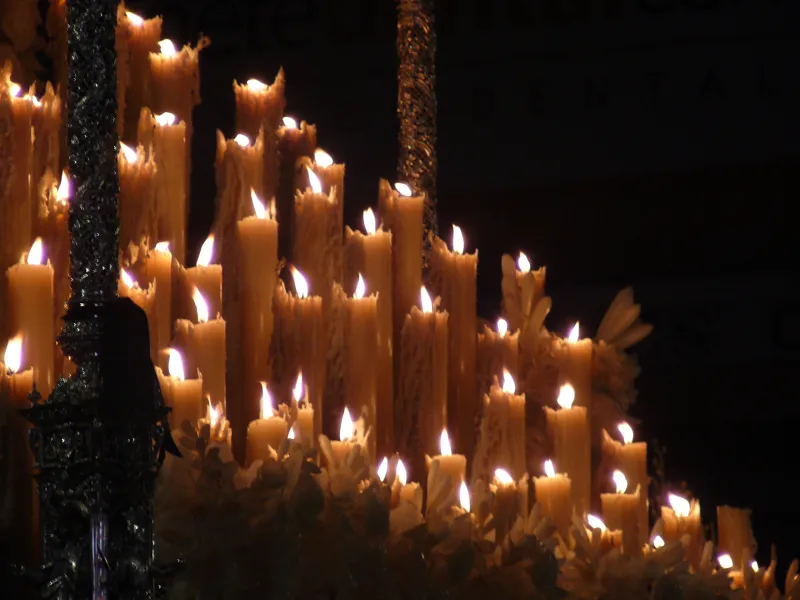
Basílica de la Macarena Guide
How to visit the Basílica de la Macarena in northern Seville: the beloved image of the Virgin of Hope, the on-site treasury museum, the Roman wall beside it, and the basilica's deep ties to Semana Santa.
Read guide
Best Free Things to Do in Seville
The best free things to do in Seville: grand plazas, shaded parks, riverside walks, beautiful churches, viewpoints, free-entry museum windows, and the heat-smart way to string them together without spending a euro.
Read guide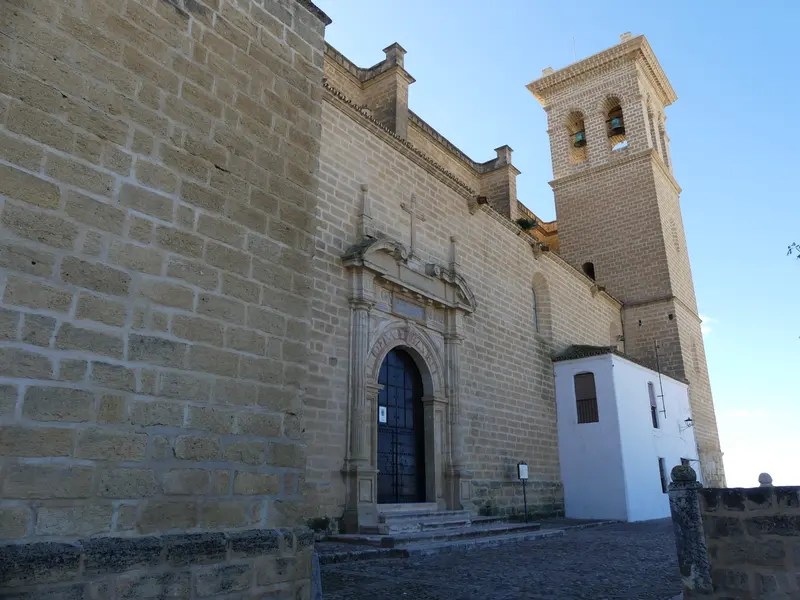
Best Museums in Seville
A decisive guide to Seville's museums: the golden-age paintings of Bellas Artes, the living art of the flamenco museum, contemporary work at the CAAC, ceramics in Triana and the palace-museums — compared by art, history, rain value and who each suits.
Read guide
Best Palaces in Seville
Seville is a city of palaces — royal, aristocratic and ecclesiastical. A decisive guide to the Real Alcázar, Casa de Pilatos, Palacio de las Dueñas and the lesser-known palace-homes: which to choose, how to combine them, and how to avoid palace fatigue.
Read guide
Best Photography Spots in Seville
The best places to photograph Seville and exactly when to shoot them: Plaza de España's tiled curves, Alcázar patios, the Giralda framed down narrow lanes, rooftops, river bridges and Santa Cruz patios — built into a golden-hour route around the heat.
Read guide