
Best Museums in Seville
A decisive guide to Seville's museums: the golden-age paintings of Bellas Artes, the living art of the flamenco museum, contemporary work at the CAAC, ceramics in Triana and the palace-museums — compared by art, history, rain value and who each suits.
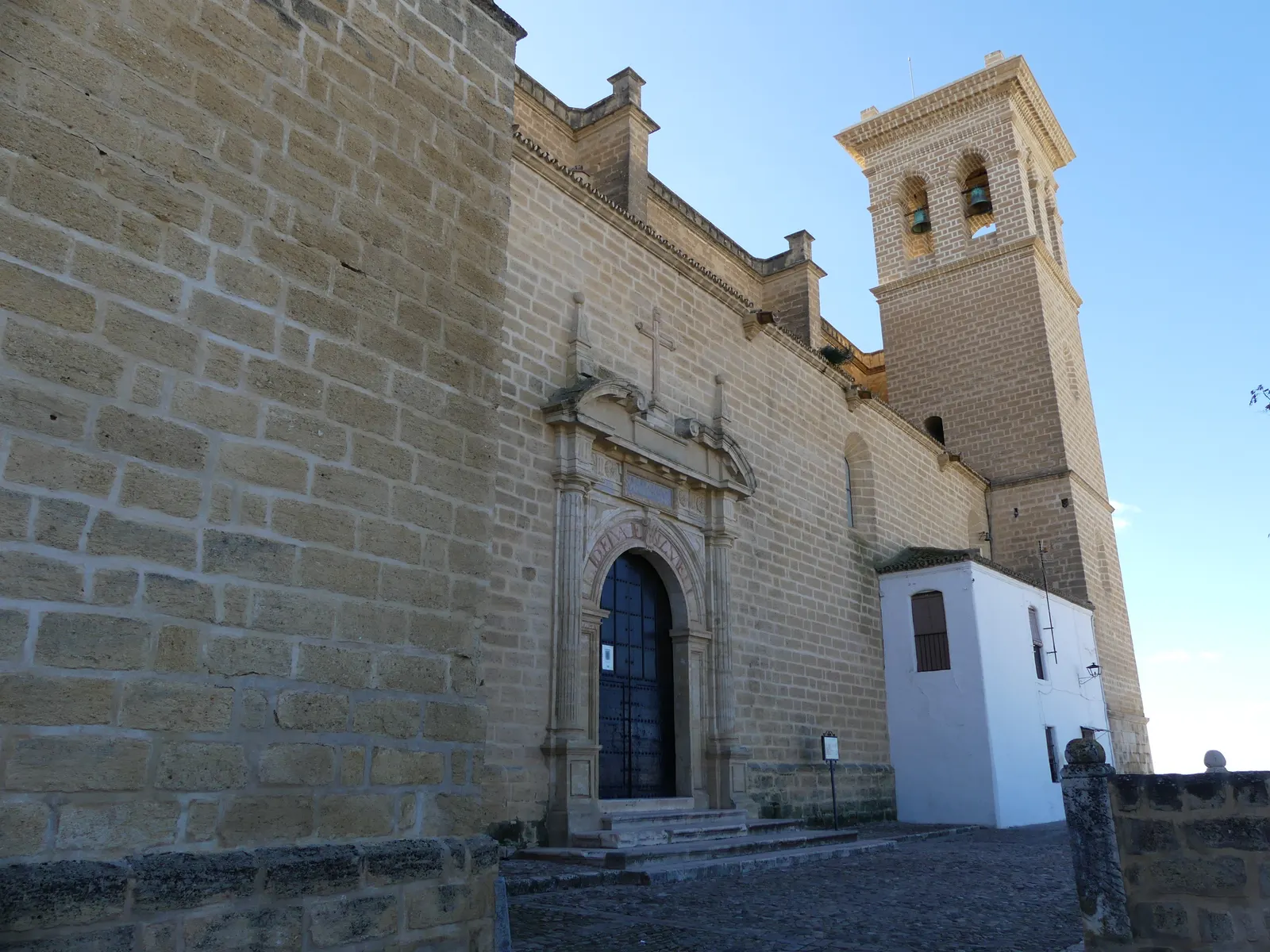
Photo: CarlosVdeHabsburgo / Wikimedia Commons · CC BY-SA 4.0
- ✓The Museo de Bellas Artes is the headline museum — Spain's second-richest art collection, strong on Sevillian golden-age painters like Murillo and Zurbarán.
- ✓For something alive rather than archival, the Museo del Baile Flamenco pairs exhibits with intimate shows.
- ✓The CAAC, in a former Carthusian monastery on Cartuja island, is the place for contemporary art and striking architecture.
- ✓Museums are Seville's best rainy-day and midday-heat refuge — cool, calm and worth saving for the harshest hours.
- ✓Several state and city museums run free-entry windows or free EU-resident access, but the exact days and rules change, so always verify before you queue.
How to choose a Seville museum
Seville is a city you mostly experience outdoors — in its palaces, plazas and lanes — so its museums play a particular role: they are the cool, quiet rooms you retreat into when the sun is brutal or the sky finally opens, and they are where the city's deeper stories live. The good news is that the choice is genuinely varied. There is a major old-master gallery, a living flamenco museum, a contemporary-art space in a former monastery, a ceramics museum across the river, and a clutch of palace-museums where the building is half the exhibit.
This guide compares them by what they actually offer — art, history, atmosphere, family appeal and rainy-day value — so you can pick the one or two that fit your trip rather than trying to see them all. A practical thread runs throughout: several museums offer free-entry windows or free access for EU residents, but the specifics shift constantly, and so do opening hours and closure days, so treat any fixed claim as something to confirm on the official site or at the tourist office the week you visit.
Museo de Bellas Artes: the great art museum
If you see one museum in Seville, make it the Museo de Bellas Artes. Housed in a beautiful former convent with tiled cloisters and a sky-lit central hall, it holds what is often called the second most important art collection in Spain, and it is especially strong where it matters most here: the Sevillian golden age. The galleries are hung with Murillo, Zurbarán, Valdés Leal and other masters of the 17th century, the city's artistic high-water mark, alongside earlier and later Spanish work. The building itself — the cloisters, the painted ceilings, the grand staircase — is a pleasure to move through.
It is a manageable size, walkable in an hour or two, and its central location near Plaza del Museo makes it easy to fold into a Centro day. It is also a prime rainy-day and heat refuge: cool, calm and absorbing. Sundays here draw an outdoor art market on the surrounding square, a nice pairing. As with all state museums, opening days, hours and any free-entry arrangement (often including free access for EU residents) change, so verify before you go rather than relying on a fixed claim.
There is a particular pleasure in seeing this art in this city. The painters on these walls worked in Seville's golden age, when the port was Spain's gateway to the Americas and the wealth of empire flowed through it; the saints and Madonnas you see were painted for the very churches and convents you pass in the streets outside. Murillo's tender religious scenes and Zurbarán's stark, luminous monks are not abstractions here but the local imagination made visible, and the museum becomes a way of reading the rest of the city. Linger over the central cloister, too — it is one of the loveliest interior spaces in Seville and the building rewards as much attention as the canvases.
- Spain's second-richest art collection, strong on Sevillian golden-age masters — Murillo, Zurbarán, Valdés Leal.
- A gorgeous former-convent setting: tiled cloisters, a sky-lit hall, painted ceilings.
- Central, manageable in 1–2 hours, and an excellent rainy-day or midday-heat refuge.
- Verify days, hours and any free-entry / EU-resident access before visiting.
Flamenco, up close: the Museo del Baile Flamenco
For a museum that is alive rather than archival, the Museo del Baile Flamenco in the old town is the standout. Conceived with the great dancer Cristina Hoyos, it sets out the history, costumes, music and regional styles of flamenco across its exhibits — and crucially, it also stages intimate live shows in its atmospheric spaces, so you can learn the art and then feel it in the same building. That combination makes it one of the most engaging museums in the city, and a good fit for an evening that doesn't want to be only a tablao dinner.
It works well for first-timers who want context before a show, for travellers short on time who want museum and performance in one stop, and as a flexible rainy-day or hot-afternoon option. Show times, ticket combinations and prices change with the season, so check current details when you book. If your priority is the performance itself over the exhibits, weigh it against the dedicated tablaos and the flamenco-rich venues of Triana across the river.
- Exhibits on flamenco's history, costume and styles, plus intimate live shows in the same building.
- Ideal for context before a show, or for combining museum and performance in one visit.
- A flexible rainy-day / hot-afternoon option in the old town.
- Show times and ticket combos vary — verify when booking; compare with Triana's tablaos for performance-first nights.
Contemporary and ceramic: CAAC and Triana
For a complete change of register, cross to Cartuja island and the CAAC — the Andalusian Centre for Contemporary Art — set inside the former Monasterio de Santa María de las Cuevas, the Carthusian monastery where Columbus once stayed. The pairing of cutting-edge art with centuries-old monastic architecture and grounds is the draw as much as any single show, and the spacious site is a striking, uncrowded contrast to the dense old town. It suits travellers who want modern art, interesting architecture and room to breathe, and it works for teens and adults more than small children.
Across the river in Triana, the Centro Cerámica Triana tells the story of the city's signature craft — the cobalt-and-saffron azulejo tiles — on the very site of old kilns, making it a small, focused museum that pairs naturally with a ceramics-shopping and food walk through the neighbourhood. Together these two give you the city's non-classical museums: one big and contemporary, one small and rooted in a living trade. Hours and ticketing differ at each and can change, so confirm before you plan a half-day around either.
- CAAC (Cartuja) — contemporary art inside a former Carthusian monastery; architecture and space as much as the shows.
- Best for modern-art lovers, architecture fans, teens and adults who want a calmer, larger site.
- Centro Cerámica Triana — a small, focused tile museum on the site of old kilns, pairing with a Triana walk.
- Verify hours and ticketing at each before planning a half-day.
Palace-museums and the smaller collections
Some of Seville's most memorable indoor visits blur the line between museum and monument. The Real Alcázar is a palace you tour like a museum; Casa de Pilatos and the Palacio de las Dueñas are aristocratic mansions where the courtyards, tilework and collections are the exhibit; and the Hospital de los Venerables in Santa Cruz combines Baroque architecture with an art space. These reward visitors who would rather see art in a beautiful historic setting than in white-walled galleries, and several are excellent, atmospheric refuges from heat or rain.
Beyond them sit the smaller and more specialist collections — among them the Archivo de Indias, the UNESCO-listed archive of Spain's empire in the Americas, and the city's archaeology holdings in María Luisa Park. Not every one will suit every traveller, and trying to see them all is a sure route to museum fatigue. The smarter move is to choose by interest: golden-age painting, flamenco, contemporary art, ceramics, or the lived-in grandeur of a palace — then leave the rest for next time. Hours, closures and free-entry windows vary across all of them, so verify the specifics for whichever you pick.
- Palace-museums — Casa de Pilatos, Palacio de las Dueñas, Hospital de los Venerables — where the building is the exhibit.
- The Archivo de Indias (the UNESCO-listed colonial archive) and the archaeology collection in María Luisa Park.
- Choose by interest to avoid museum fatigue rather than trying to see everything.
- Hours, closures and free-entry windows vary at each — verify for your chosen site.
Practical: heat, rain, free windows and timing
Museums are the most undervalued part of a Seville plan because of when, not whether, you visit them. In summer, the smart move is to sightsee the open monuments in the cool morning, retreat into an air-conditioned museum through the worst of the afternoon heat, and re-emerge for the evening — the galleries become your siesta with culture attached. On a rainy day they do the same job, turning a washout into one of your best afternoons. Either way, save them for the hours when being outdoors is least pleasant.
On cost and timing: many of Seville's state and municipal museums run a free-entry window (often a stretch of the late afternoon on set days) and offer free access to EU residents at state-run sites, while opening days and hours vary and several close on a particular weekday. All of this changes from time to time, so the one rule that never goes stale is to check the official website or the tourist office the week you go. Arrive early for any free slot, because everyone else has read the same advice — and book ahead where timed entry applies.
- Use museums as your heat refuge: monuments in the cool morning, galleries through the hot afternoon.
- On rainy days, museums turn a washout into a strong indoor afternoon.
- Many state/municipal museums have free-entry windows and free EU-resident access — days and rules change, so verify.
- Check official hours and closure days before you go, and book ahead where timed entry applies.
At a glance
A quick reference for choosing among Seville's museums. The constant is to pick by interest and use museums as your heat-and-rain refuge; the variable is hours, closures and free-entry rules, which change and must be verified locally.
- Old-master art: Museo de Bellas Artes — the headline collection, golden-age painting, central.
- Living art: Museo del Baile Flamenco — exhibits plus intimate live shows.
- Contemporary & architecture: CAAC on Cartuja island, in a former monastery.
- Craft: Centro Cerámica Triana — the tile tradition, paired with a Triana walk.
- Palace-museums: Casa de Pilatos, Palacio de las Dueñas, Hospital de los Venerables.
- Timing: best as a midday-heat or rainy-day refuge; verify hours, closures and free-entry windows before you go.
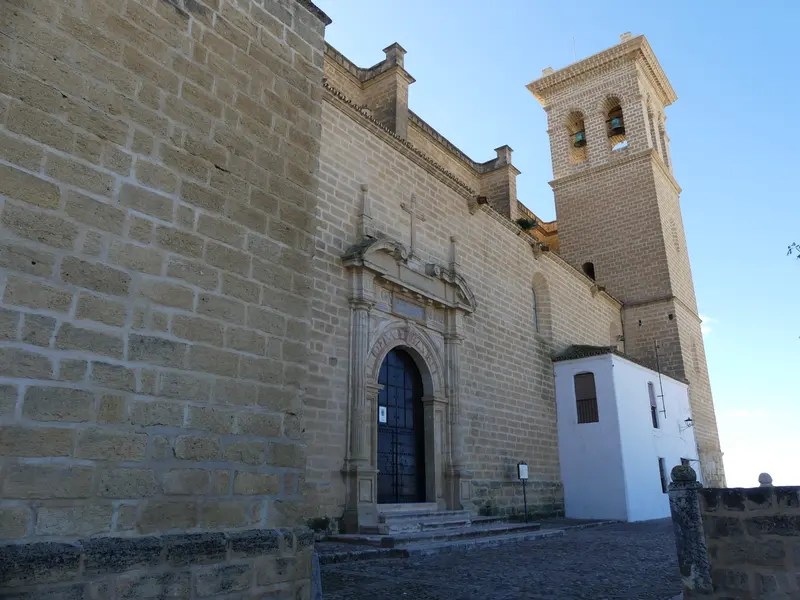
Museum of Fine Arts Guide
How to visit Seville's Museum of Fine Arts: the second great picture gallery in Spain, set in a beautiful former convent, with the city's deepest collection of Murillo, Zurbarán and the Sevillian Golden Age — plus tiled courtyards, timing tips and serious rainy-day value.
Read guide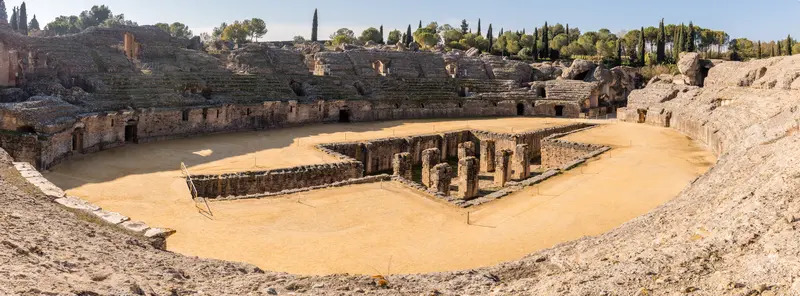
CAAC Seville Guide
How to visit the Centro Andaluz de Arte Contemporáneo on Cartuja island: contemporary art inside a former Carthusian monastery with a Columbus and ceramics past, set in the legacy of Expo '92 — what's on, who it suits, and how to reach it.
Read guide
Museo del Baile Flamenco Guide
How to visit Seville's Museo del Baile Flamenco: what the museum covers, why its context makes a first show richer, the live performances on its stage, ticket and timing strategy, and how it compares with a Triana tablao or a peña.
Read guideMore in Things to Do
6
Archivo de Indias Guide
Why the Archivo General de Indias belongs on your Seville list: what's inside the great archive of the Spanish Americas, the Renaissance building it lives in, how free entry works, and how to slot it between the Cathedral and the Alcázar.
Read guide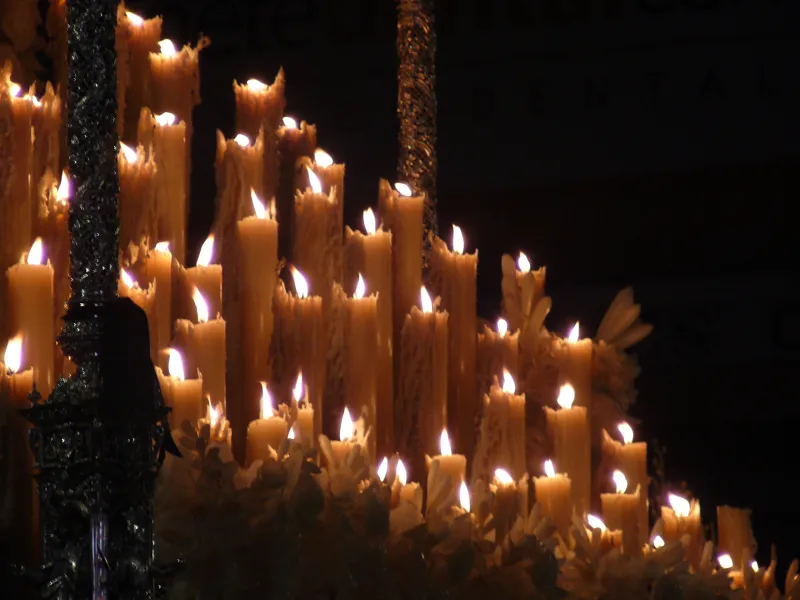
Basílica de la Macarena Guide
How to visit the Basílica de la Macarena in northern Seville: the beloved image of the Virgin of Hope, the on-site treasury museum, the Roman wall beside it, and the basilica's deep ties to Semana Santa.
Read guide
Best Free Things to Do in Seville
The best free things to do in Seville: grand plazas, shaded parks, riverside walks, beautiful churches, viewpoints, free-entry museum windows, and the heat-smart way to string them together without spending a euro.
Read guide
Best Palaces in Seville
Seville is a city of palaces — royal, aristocratic and ecclesiastical. A decisive guide to the Real Alcázar, Casa de Pilatos, Palacio de las Dueñas and the lesser-known palace-homes: which to choose, how to combine them, and how to avoid palace fatigue.
Read guide
Best Photography Spots in Seville
The best places to photograph Seville and exactly when to shoot them: Plaza de España's tiled curves, Alcázar patios, the Giralda framed down narrow lanes, rooftops, river bridges and Santa Cruz patios — built into a golden-hour route around the heat.
Read guide
Best Tours in Seville
Which guided tours in Seville are actually worth it: skip-the-line Alcázar and Cathedral visits, food and tapas tours, flamenco experiences, bike rides, river cruises and day trips — compared by who they suit, when to book, and where you're better off going solo.
Read guide