
Best Photography Spots in Seville
The best places to photograph Seville and exactly when to shoot them: Plaza de España's tiled curves, Alcázar patios, the Giralda framed down narrow lanes, rooftops, river bridges and Santa Cruz patios — built into a golden-hour route around the heat.

Photo: ERIC MIYAGI / Unsplash
- ✓Plaza de España is the city's signature shot — go at sunrise for the curved arcades, tiled bridges and reflections almost to yourself.
- ✓Light, not the place, is what makes a Seville photo: the golden hours after sunrise and before sunset, plus the blue-hour glow on floodlit monuments.
- ✓The Alcázar's patios and the Giralda framed down a Santa Cruz lane are the close-up, intimate counterpoints to the grand plazas.
- ✓Rooftops and the river bridges give you the wide skyline; the lanes and patios give you the detail and the colour.
- ✓Heat and crowds are the enemies of a good photo — shoot the open icons early or late, save the shaded patios and indoor sights for the harsh midday.
Why Seville photographs so well
Seville is built from warm materials and warm light, and the two were made for each other. Ochre and terracotta facades, ceramic azulejo tiles in cobalt and saffron, orange trees, wrought-iron balconies, the honey-coloured stone of the Cathedral — all of it drinks in the low Andalusian sun and gives it back glowing. You almost cannot take a bad photograph here in the right hour. The trick is less about finding secret spots than about timing the famous ones, so your picture has the light and the space that the postcards do.
This guide is organised the way a photographer actually works a city: the grand set pieces first, then the intimate details, then the high wide views and the river, and finally how to string them into a route that respects both the light and the heat. Treat any specific opening time or ticket detail as something to verify locally — they shift — but the light, the angles and the rhythm below stay reliable year-round.

Plaza de España: the signature shot
If Seville has one photograph, this is it. The vast half-moon of Plaza de España — a sweep of brick arcades, four ornate tiled bridges, a curved canal and forty-eight painted-tile province alcoves — is the most rewarding place to shoot in the city, and it is free to enter. The catch is that by mid-morning it is crowded and the sun is harsh. Go at or just after sunrise: the colonnades are empty, the light rakes low along the curve, and the canal can give you mirror reflections of the arches.
Work the space deliberately. Shoot the long sweep of the arcade from one end for the dramatic perspective; get low at the canal's edge for reflections; climb the side staircases for the elevated curve; and look for the tiled alcoves and the little bridges as tighter, colour-rich detail shots. The painted-tile benches reward close work. Then walk straight into María Luisa Park next door, where palm avenues, fountains and tiled glorietas give you shaded compositions for when the sun climbs.
- Best time: sunrise to about an hour after — empty colonnades, low raking light, possible canal reflections.
- Hero angles: the full arcade sweep from one end; low by the canal for reflections; the side staircases for elevation.
- Detail shots: the tiled province alcoves, the bench tilework, the ornamental bridges.
- Then move into María Luisa Park for shaded fountains and glorietas as the light hardens.
The Alcázar: patios, arches and gardens
Inside the Real Alcázar you trade the grand sweep for jewel-box detail. The Patio de las Doncellas — a long reflecting pool flanked by intricate plasterwork and arches — is the showpiece, and it photographs best with the symmetry of the pool reflection; the Patio de las Muñecas, the gilded Salón de Embajadores and the carved arches reward patient, tight framing. The single biggest factor here is people. Book the first time slot of the day so you can shoot the patios before the tour groups fill them; verify ticket and timed-entry details before you go, as they change.
The sunken gardens are the other half of the visit and a photographer's gift: clipped hedges, fountains, palms, tiled benches, peacocks, and the Galería de Grutesco arcade for elevated lines. Mornings give you soft light and fewer people; the deep greens hold up even when the sun is high, making the gardens a good late-morning option once the indoor patios are done. For long-lens travel portraits, the tiled corners and arched doorways here are some of the most beautiful backgrounds in the city.
- Book the first slot to shoot the Patio de las Doncellas reflection before groups arrive.
- Tightest, richest detail: the plasterwork, the gilded ceilings, the carved arches — patience beats a wide lens.
- The gardens hold up later in the morning: hedges, fountains, palms, peacocks and the Grutesco arcade.
- Verify timed-entry and ticket rules before you go.
The Giralda, the Cathedral and the framed lanes
Some of Seville's best photographs are of the Giralda glimpsed rather than confronted. The bell-tower rises above the old town from almost everywhere, and the most evocative shots frame it at the end of a narrow Santa Cruz lane, between balconies hung with plants, or above a tiled rooftop. Wander the maze around the Cathedral — Calle Mateos Gago is a classic line of sight up to the tower — and shoot it framed by the architecture rather than head-on. Early morning gives you clean, people-free lanes; the blue hour after sunset gives you the tower floodlit gold against a deep sky.
The Cathedral itself and the courtyard wall reward both the wide establishing shot and the detail of buttresses, gargoyles and the Patio de los Naranjos orange trees. For an elevated frame of the whole roofscape with the Giralda rising out of it, the nearby rooftop bars deliver — the price of a drink for one of the best skyline photographs in Seville. Whatever you do, return to this area at blue hour: the floodlit monuments against the last colour in the sky are the city at its most photogenic.
A practical tip on the Giralda's light: because the tower is so tall and the lanes so narrow, the time of day completely changes the shot. In the morning the eastern face catches the sun and the lanes on that side fill with warm light; by late afternoon the western face glows and the shadows fall the other way. If a particular framed view looks flat, come back at the opposite end of the day and the same lane can transform. Spend a little time scouting which alleys line up with the tower, then plan to be in each at the hour the light favours it.
- Frame the Giralda down a Santa Cruz lane (e.g. up Calle Mateos Gago) rather than shooting it flat-on.
- Early morning for empty lanes; blue hour for the floodlit tower against a deep sky.
- Cathedral details: buttresses, the orange-tree courtyard, the carved doorways.
- A rooftop-bar terrace gives the elevated Giralda-over-rooftops skyline for the price of a drink.
Rooftops, the Setas and the river
For the wide view, Seville gives you three reliable kinds of elevation. The rooftop bars of the historic centre put the Giralda and the tiled skyline at eye level, best at sunset and blue hour (terraces are seasonal — verify hours, and arrive early for a railing seat). The Setas de Sevilla, the great undulating timber 'mushrooms' in Centro, are a photograph from below by day and after dark, and the elevated walkway on top gives a 360° panorama of the city — a ticketed climb whose details you should check on site. And the Giralda tower climb itself is the highest classic viewpoint over the rooftops.
Down at river level, the bridges over the Guadalquivir frame the whole skyline with water in the foreground. The Puente de Triana (Isabel II) looking back at the old town, and the Torre del Oro reflected at dusk, are the postcard river shots; Calle Betis on the Triana bank gives you the old town glowing across the water at blue hour. The river is also the easiest golden-hour walk in the city, so build your end-of-day shooting around it: light on the water, then the bridges lighting up, then the floodlit towers reflected.
- Rooftop terraces — Giralda and skyline at sunset/blue hour; seasonal hours, arrive early for the rail.
- Setas de Sevilla — sculptural from below day and night; the walkway gives a 360° panorama (ticketed, verify).
- River bridges — the Puente de Triana back to the old town, and the Torre del Oro reflected at dusk.
- Calle Betis at blue hour — the lit old town mirrored across the Guadalquivir.
Detail, colour and the patios of the old town
Step away from the icons and Seville becomes a city of details. The azulejo tiles are everywhere — ceramic street signs, shop fronts, church facades, the famous tiled benches — and they make for saturated, graphic close-ups that look unmistakably Sevillano. Wrought-iron balconies dripping with geranium, orange trees against ochre walls, painted doorways, the rejas (iron grilles) through which you glimpse hidden patios: this is the texture that fills out a Seville photo essay between the big set pieces. Triana, with its ceramics heritage, is especially rich for tilework.
Some of the loveliest interiors are private patios opened to visitors — the courtyards of Casa de Pilatos and Palacio de las Dueñas, with their tiled walls, fountains and columns, are exceptional, and shaded enough to shoot through the harshest midday hours. The light inside these patios is soft and even, the perfect refuge when the open icons are blown out by the sun. Always check whether photography (and tripods in particular) is permitted at any given site, as rules vary and can change.
- Hunt azulejo tilework, ceramic street signs, geranium balconies and orange trees against ochre for saturated detail shots.
- Triana's ceramics heritage makes it a tile-lover's neighbourhood.
- Casa de Pilatos and Palacio de las Dueñas patios are shaded, photogenic midday refuges.
- Check photography and tripod rules at each site — they vary and change.
At a glance: a golden-hour route
A photographer's day in Seville is really a light schedule. Shoot the open icons at the soft ends of the day, retreat into shaded patios when the sun is brutal, and save the floodlit monuments for blue hour. The plan below works year-round; in summer the midday refuge is essential, in winter you can relax it.
- Sunrise: Plaza de España empty, then the framed-Giralda lanes of Santa Cruz before the crowds.
- Mid-morning: the Alcázar — patios on the first slot, then the gardens as the light climbs.
- Midday: shaded patios (Casa de Pilatos, Dueñas) and Triana tilework while the sun is harsh.
- Golden hour: the river walk — Torre del Oro, the Triana bridge, Calle Betis.
- Blue hour: the floodlit Cathedral and Giralda, or a rooftop terrace for the lit skyline.
- Verify locally: ticket/timed-entry rules, rooftop and Setas hours, and where tripods are allowed.

Plaza de España Guide
The best time to visit Plaza de España, the tiled province benches, rowing the canal, where to stand for photos, and how to pair Seville's grandest square with María Luisa Park next door.
Read guide
Alcázar Gardens Guide
The best route through the Real Alcázar gardens in Seville — from the formal terraces and the Mercury pond to the palm groves, tiled corners, peacocks and deep shade — with the photo spots and timing that make the most of them.
Read guide
Setas de Sevilla Guide
How to visit the Setas de Sevilla (Metropol Parasol): the rooftop walkway and its panorama, the best slot for sunset, the night light show, the Roman ruins beneath, and the tapas streets all around.
Read guideMore in Things to Do
6
Archivo de Indias Guide
Why the Archivo General de Indias belongs on your Seville list: what's inside the great archive of the Spanish Americas, the Renaissance building it lives in, how free entry works, and how to slot it between the Cathedral and the Alcázar.
Read guide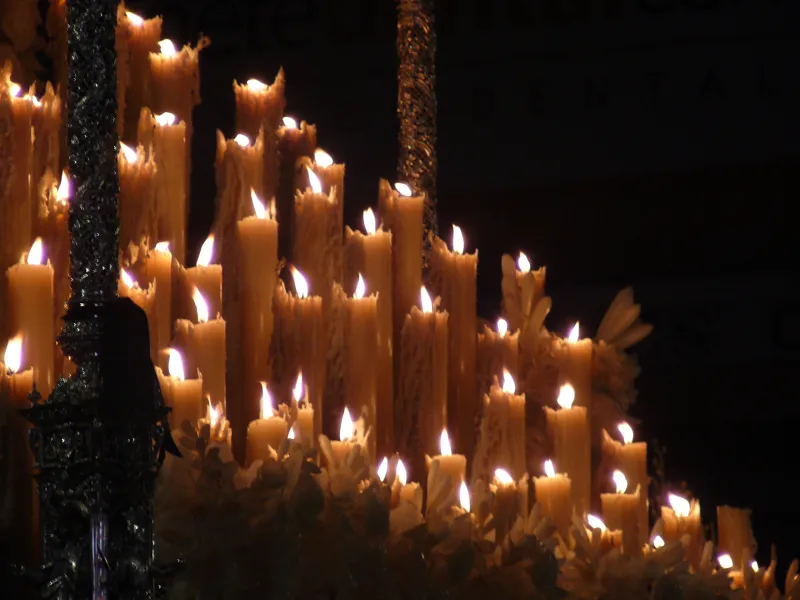
Basílica de la Macarena Guide
How to visit the Basílica de la Macarena in northern Seville: the beloved image of the Virgin of Hope, the on-site treasury museum, the Roman wall beside it, and the basilica's deep ties to Semana Santa.
Read guide
Best Free Things to Do in Seville
The best free things to do in Seville: grand plazas, shaded parks, riverside walks, beautiful churches, viewpoints, free-entry museum windows, and the heat-smart way to string them together without spending a euro.
Read guide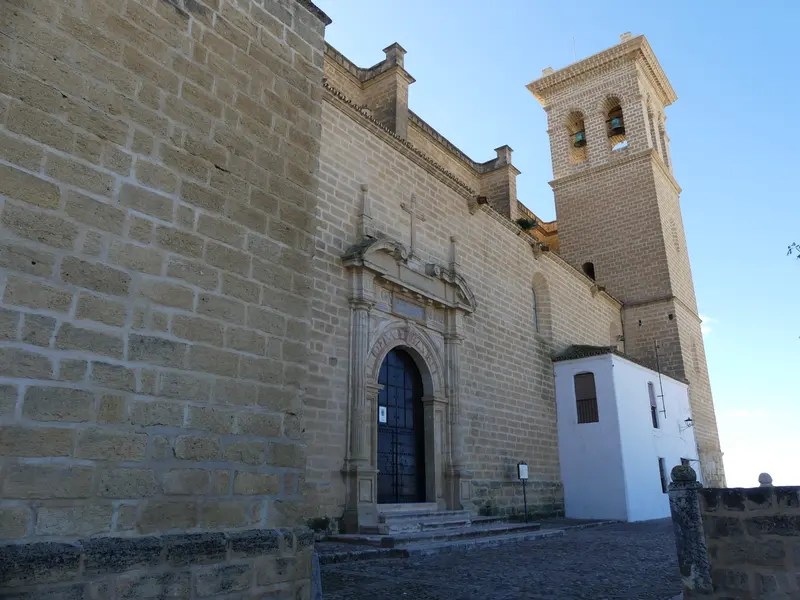
Best Museums in Seville
A decisive guide to Seville's museums: the golden-age paintings of Bellas Artes, the living art of the flamenco museum, contemporary work at the CAAC, ceramics in Triana and the palace-museums — compared by art, history, rain value and who each suits.
Read guide
Best Palaces in Seville
Seville is a city of palaces — royal, aristocratic and ecclesiastical. A decisive guide to the Real Alcázar, Casa de Pilatos, Palacio de las Dueñas and the lesser-known palace-homes: which to choose, how to combine them, and how to avoid palace fatigue.
Read guide
Best Tours in Seville
Which guided tours in Seville are actually worth it: skip-the-line Alcázar and Cathedral visits, food and tapas tours, flamenco experiences, bike rides, river cruises and day trips — compared by who they suit, when to book, and where you're better off going solo.
Read guide