
María Luisa Park Guide
Shaded walks, tiled fountains, hidden plazas, picnic stops and museums in María Luisa Park — the green heart of Seville, and the easiest place to escape the heat right beside Plaza de España.

Photo: Jose Manuel Esp / Unsplash
- ✓Seville's grand public garden — free, open daily, and the city's single best heat escape, with deep shade under palms and plane trees.
- ✓It wraps around Plaza de España, so the two are made to be visited together as one relaxed outing.
- ✓Tiled fountains, lily ponds, hidden glorietas (themed garden squares) and the romantic Plaza de América reward slow wandering.
- ✓Two of Seville's museums — Archaeology and Arts & Traditions — sit at the park's southern end in Exposition-era pavilions.
- ✓Easy and flat for strollers, wheelchairs and tired legs; rent a bike or a four-wheeled family quadricycle to cover more ground.
The green heart of Seville
When the Andalusian sun turns the streets to a furnace, María Luisa Park is where Seville goes to breathe. This is the city's great public garden — a generous sweep of shaded avenues, tiled fountains, lily ponds and quiet corners that runs south from Plaza de España toward the river. It began as the private grounds of the Palacio de San Telmo, was given to the city by the Infanta María Luisa Fernanda de Borbón whose name it carries, and was reshaped for the 1929 Ibero-American Exposition into the romantic, half-formal, half-wild park you walk today.
What makes it special is the canopy. Towering palms, plane trees, orange trees and Mediterranean planting throw deep, cool shade over the paths, so that even on a scorching afternoon you can stroll in comfort. Birdsong replaces traffic, fountains soften the air, and the pace drops to a wander. For couples it's one of the most quietly romantic places in the city; for families it's a release valve; for anyone footsore from the monuments, it's the loveliest possible place to do nothing at all.
The park you see today owes much to the French landscape architect Jean-Claude Nicolas Forestier, who reworked the grounds in the early 20th century ahead of the 1929 Exposition, weaving formal Hispano-Moorish elements — tiled fountains, clipped hedges, pergolas dripping with bougainvillea — into the older romantic garden. The result is a landscape that feels both designed and a little wild, where a grand avenue can give way to a secret corner in a few steps. It rewards the visitor who slows down: the more time you give it, the more it reveals, from a hidden pond to a tiled bench you'll want to claim as your own.
What to see as you wander
The joy of María Luisa is that it's designed to be discovered rather than ticked off. Paths curl past tiled benches and fountains into small themed garden squares — the glorietas — each with its own character. Look for the Glorieta de Bécquer, a marble monument to the Romantic poet shaded by an enormous tree, and the lily ponds where you can sit by the water. The dovecote, the hidden fountains and the rose-filled corners all reward a slow, aimless loop with no particular destination.
At the southern end the park opens into the Plaza de América, a serene Exposition-era square flanked by ornate pavilions and famous for the flocks of white doves that gather there — the so-called Plaza de las Palomas. It's one of the prettiest spots in Seville to pause, and a favourite for photographs. Throughout, the azulejo tilework, the wrought-iron benches and the careful planting make the whole park feel like an outdoor extension of the city's craft traditions.
Smaller delights are scattered everywhere if you keep your eyes open: the Fuente de los Leones, a tiled, lion-spouted fountain modelled on Moorish prototypes; the Isleta de los Patos, a tiny lake with an island, a pavilion and ducks gliding in the shade; and the Monte Gurugú, a small artificial hill with a waterfall and a viewpoint that children love to scramble up. None of these is a headline sight, and that is exactly the point — María Luisa is a park for collecting small, unhurried pleasures rather than ticking off monuments, and the absence of a single must-see is what makes it so restful.
- Glorieta de Bécquer — a Romantic-poet monument under a vast shading tree.
- Lily ponds and tiled fountains scattered along the curling paths.
- Plaza de América at the south end — doves, pavilions and the park's grandest set piece.
Museums at the park's edge
If a hot afternoon needs an indoor anchor, the park provides one. At its southern end, two of Seville's museums occupy the grand pavilions left from the 1929 Exposition on the Plaza de América. The Museo Arqueológico holds the region's archaeology, including Roman finds from nearby Itálica and the celebrated Carambolo treasure. Across the square, the Museo de Artes y Costumbres Populares gathers Andalusian folk arts, costumes, ceramics and the trades of old Seville. Both make a cool, low-key cultural stop that pairs naturally with a park stroll.
At the park's northern edge, where the greenery meets Plaza de España, stands the grand Teatro Lope de Vega — a domed 1929 Exposition theatre that is still one of the city's finest stages and a flagship venue of the November Seville European Film Festival. You can't tour it on a whim, but its Baroque-revival façade is worth a look on the way in from the plaza, and a shaded loop of the park makes a lovely prelude to an evening screening.
Opening days, hours and any free-entry windows for these museums vary and have changed over time, so check each museum's official page before counting on it — particularly if you're planning to use one as your midday heat shelter.
At a glance
A quick reference for planning a visit. The park itself is free and open daily; the variable details are the museum hours and any bike or quadricycle hire, so confirm those locally rather than relying on a fixed time or price.
- Cost: free to enter and enjoy — you only pay for museum entry, refreshments or bike/quadricycle hire.
- Open: daily, dawn to dusk (the park keeps daytime hours; verify seasonal closing times locally).
- Shade: extensive — the main reason it's the city's best summer refuge.
- Getting there: a walkable stretch south of the Cathedral and Santa Cruz, adjoining Plaza de España.
- Accessibility: largely flat, wide paths — friendly for strollers, wheelchairs and tired legs.
- Inside the park: two museums (Archaeology, Arts & Traditions); bike and family quadricycle hire (seasonal — verify).
Escaping the heat — how to use the park in summer
From June to September, María Luisa Park earns its keep as the smartest move in your day. While the open monuments and squares bake, the park's canopy keeps the paths a measurable few degrees cooler, and the fountains and ponds add to the relief. The heat-smart pattern is simple: do your big sights and Plaza de España in the cooler morning, then retreat into the park for the worst of the afternoon, surfacing again toward evening. It turns the hardest hours of a Seville summer day into the most pleasant.
Bring water, pick the shadier interior paths over the open edges, and use the benches generously — there's no prize for marching. If you've got children or simply want to cover more of the park without effort, the bike and four-wheeled quadricycle hire (seasonal, paid, arranged on site) is a gentle way to roll through the avenues in the breeze. And because it's free and never far from a fountain, it's also the budget traveller's best friend on a hot afternoon.
- Morning monuments and Plaza de España, then the park for the midday heat — the classic heat-smart rhythm.
- Choose shaded interior paths; carry water; use the benches and fountains for breaks.
- Bike or quadricycle hire (seasonal, on-site) covers more ground with less effort.
Picnics, romance and pairing the park
The park is made for a slow, low-key plan. Grab fruit, bread, cheese and cold drinks from a market or shop, find a shaded bench by a fountain, and you have one of the most pleasant — and cheapest — lunches in Seville. For couples, a late-afternoon wander among the glorietas as the light turns gold, ending at the Plaza de América or back at Plaza de España, is a romantic interlude that costs nothing and feels like a secret the guidebooks undersell.
Practically, the park slots best into the southern end of a day spent around the Cathedral, the Alcázar and Santa Cruz: those sights in the morning, the park and plaza in the warm afternoon and evening, then a stroll back toward the river or your tapas for the night. It's flat, free and forgiving, which makes it the connective tissue that turns a hot, ambitious itinerary into a comfortable one.
Getting there and finding your way
The park is an easy walk from the historic centre. From the Cathedral, head south past the old tobacco factory — now the university — and the grand Hotel Alfonso XIII, and you'll reach Plaza de España and the park's northern edge in well under twenty minutes on foot. If the heat is fierce or legs are tired, the city's tram and bus lines run along the Avenida de la Constitución and toward the Prado de San Sebastián, leaving a short, shaded stroll to the gates. A horse-drawn carriage from the Cathedral is the romantic — if pricier — alternative, and a tourist tip applies on whether the welfare and value suit you.
Inside, orientation is loose by design. The two long axes are the Avenida de Pizarro and the Avenida de Hernán Cortés, with the Plaza de América anchoring the south and Plaza de España the north; navigate between those two squares and you'll naturally pass most of the glorietas, ponds and fountains. There's no single entrance and no fence to most of it, so you can drift in from Plaza de España, from the museum end, or from the riverside, and let the paths do the rest.
- On foot: under 20 minutes south from the Cathedral, via Plaza de España.
- By transit: tram and bus lines run nearby along the Avenida de la Constitución and to Prado de San Sebastián (verify routes locally).
- Anchor points: Plaza de España at the north, Plaza de América at the south — walk between them to see the best of it.

When to go through the year
Each season gives the park a different mood. Spring is arguably its finest hour: the orange blossom scents the air, the roses and wisteria bloom, and the temperature is perfect for hours of wandering — this is also when Seville's great festivals fill the city, so the park's calm is a welcome counterpoint. Summer turns it into the indispensable refuge described above, valued for shade rather than colour. Autumn brings golden light and gentler crowds, ideal for a slow romantic loop, while winter offers bright, quiet, short days where you might have a whole avenue to yourself.
Whatever the season, mornings and late afternoons are the loveliest times to be here, when the light filters low through the canopy and the doves, ducks and birdsong are at their most active. Avoid arriving at midday in high summer with no plan to seek the shade; otherwise, there is rarely a wrong time to walk into María Luisa Park.
A note on the park's quieter rhythms, too. On weekend afternoons and during Seville's festival weeks, locals reclaim it for themselves — families spread out under the trees, joggers and cyclists circle the avenues, and the glorietas fill with the easy hum of a city at leisure. It's a lovely time to see the park as Sevillanos use it rather than as a sight, though if you're after solitude and that low golden light for photographs, a weekday morning is unbeatable. Either way, the park is generous enough to absorb a crowd and still feel calm a few paths in — one more reason it remains the city's most dependable place to slow down.


Plaza de España Guide
The best time to visit Plaza de España, the tiled province benches, rowing the canal, where to stand for photos, and how to pair Seville's grandest square with María Luisa Park next door.
Read guide
Seville Summer Heat Guide
How to enjoy Seville in serious heat: an early-start, midday-rest, late-evening rhythm, plus shade routes, pools, taxis, hydration and the safety basics — so the hottest big city in Europe stays a pleasure, not a punishment.
Read guide
Romantic Walks in Seville
The most romantic routes to walk together in Seville: the lamplit lanes of Santa Cruz, the Alcázar gardens at opening, a golden-hour walk along the Guadalquivir, Plaza de España and María Luisa Park, and the bridge-and-Triana sunset loop. When to go, where to pause, and how the heat shapes each route.
Read guideMore in Things to Do
6
Archivo de Indias Guide
Why the Archivo General de Indias belongs on your Seville list: what's inside the great archive of the Spanish Americas, the Renaissance building it lives in, how free entry works, and how to slot it between the Cathedral and the Alcázar.
Read guide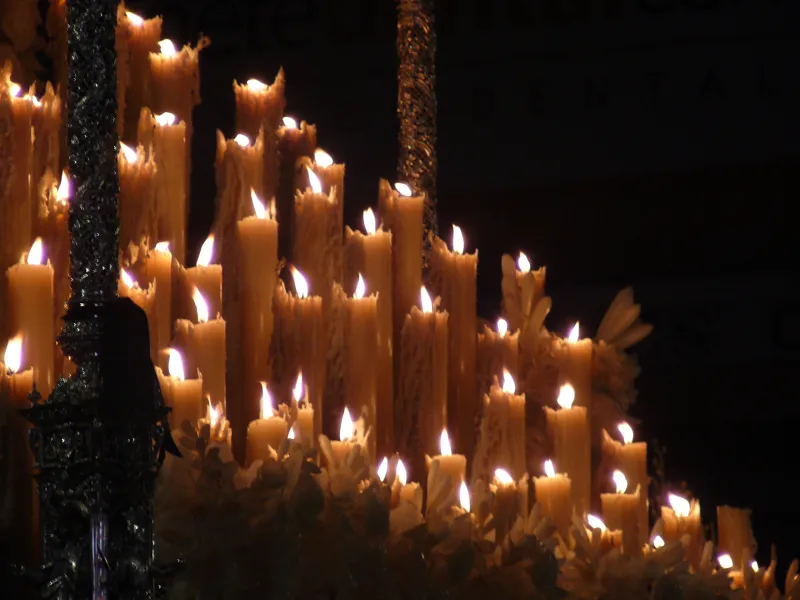
Basílica de la Macarena Guide
How to visit the Basílica de la Macarena in northern Seville: the beloved image of the Virgin of Hope, the on-site treasury museum, the Roman wall beside it, and the basilica's deep ties to Semana Santa.
Read guide
Best Free Things to Do in Seville
The best free things to do in Seville: grand plazas, shaded parks, riverside walks, beautiful churches, viewpoints, free-entry museum windows, and the heat-smart way to string them together without spending a euro.
Read guide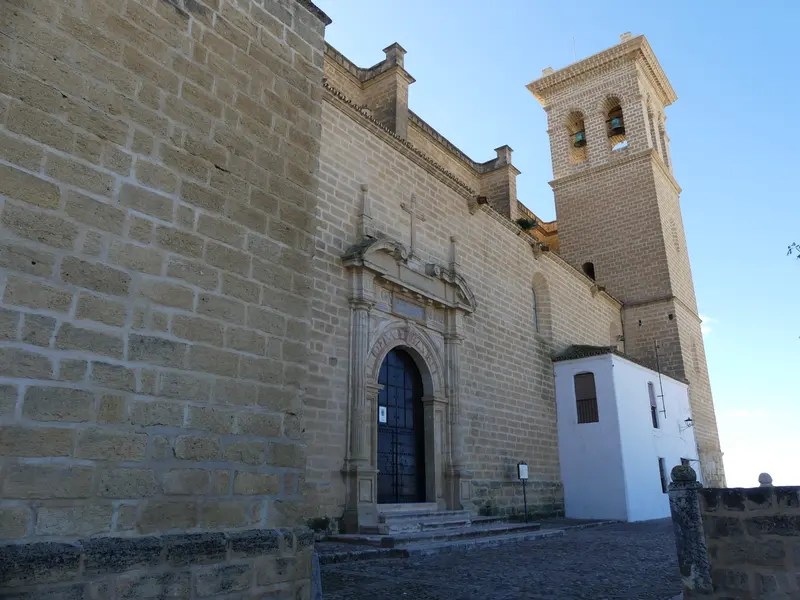
Best Museums in Seville
A decisive guide to Seville's museums: the golden-age paintings of Bellas Artes, the living art of the flamenco museum, contemporary work at the CAAC, ceramics in Triana and the palace-museums — compared by art, history, rain value and who each suits.
Read guide
Best Palaces in Seville
Seville is a city of palaces — royal, aristocratic and ecclesiastical. A decisive guide to the Real Alcázar, Casa de Pilatos, Palacio de las Dueñas and the lesser-known palace-homes: which to choose, how to combine them, and how to avoid palace fatigue.
Read guide
Best Photography Spots in Seville
The best places to photograph Seville and exactly when to shoot them: Plaza de España's tiled curves, Alcázar patios, the Giralda framed down narrow lanes, rooftops, river bridges and Santa Cruz patios — built into a golden-hour route around the heat.
Read guide