
Best Free Things to Do in Seville
The best free things to do in Seville: grand plazas, shaded parks, riverside walks, beautiful churches, viewpoints, free-entry museum windows, and the heat-smart way to string them together without spending a euro.

Photo: Pille R. Priske / Unsplash
- ✓Seville's single most photographed square, Plaza de España, is free to enter and never locks its open spaces — come at sunrise for it almost to yourself.
- ✓The whole orange-scented old town is an open-air museum: Santa Cruz lanes, the Cathedral's courtyard wall, riverside parapets and tiled corners cost nothing to wander.
- ✓Several major sights open a free-entry window each week — typically the last hours of certain afternoons — but exact days and times change, so always verify before you queue.
- ✓Most of Seville's romance is free: golden-hour on the river, churches mid-afternoon, the buzz of a tapas street even if you only window-shop.
- ✓Build the day around shade and the sun's angle, not opening times, and a no-spend Seville day still feels generous.
Seville rewards the budget traveller more than most
It is one of the quiet truths of Seville that the city's best hours are often its cheapest. The headline monuments — the Alcázar, the Cathedral, the Giralda climb — are worth their tickets, but they are not what people remember most warmly. What lingers is the orange blossom in a Santa Cruz lane, the river going gold at dusk, the sound of a guitar drifting out of an open doorway, the cool of a church after the glare of the street. None of that costs a thing.
Andalusia's capital was built for the outdoor life, and the public realm here is unusually generous: vast tiled plazas, shaded gardens, river walks, and churches that ask nothing of you but a hush. This guide is a practical, romantic map of the best free things to do in Seville — what to see, when to time it around the heat and the light, and where the genuinely free-entry windows hide. Treat every specific price-free claim about timed museum windows as something to confirm locally; the principle is reliable, the exact slots change.
The grand free plazas
Start with the obvious that somehow never disappoints. Plaza de España, raised for the 1929 Ibero-American Exposition, is the most spectacular free attraction in the city: a sweeping half-moon of brick and tile, four ornamental bridges, a curved canal, and forty-eight painted-tile alcoves, one for every Spanish province. There is no ticket to walk it, stand in the middle of it, or photograph it, and at sunrise you can have its colonnades almost to yourself. Only the little rowing boats on the canal carry a (seasonal, verify-locally) charge.
From there, the whole rhythm of central Seville is plaza to plaza. Plaza del Triunfo between the Cathedral and the Alcázar, the orange-tree square of Plaza de Doña Elvira in Santa Cruz, the café-lined Plaza del Salvador, the broad Plaza Nueva by the city hall, the leafy Alameda de Hércules to the north — each is a free room in the city's open-air house, made for sitting, watching and letting an afternoon go soft. Bring water and follow the shade.
- Plaza de España — the grand set piece; free to enter, best at sunrise or golden hour.
- Plaza de Doña Elvira & Plaza de los Refinadores — small, orange-shaded Santa Cruz squares.
- Plaza del Salvador — a sociable evening square with bars spilling out front (drinks cost; standing and watching doesn't).
- Alameda de Hércules — the long, tree-lined promenade where local Seville hangs out.
Parks and gardens that cost nothing
When the heat builds — and from June to September it builds fiercely — the free move is to find a canopy. María Luisa Park, beside Plaza de España, is the great public garden of Seville: palm avenues, tiled benches, fountains, hidden glorietas and enough shade to make a midday hour bearable. It is free, open daily, and the single easiest heat escape in the centre. A slow loop here is one of the most pleasant free things you can do in the city, and it pairs naturally with the plaza.
Elsewhere, the small public gardens of the Murillo Gardens hug the Alcázar's outer wall in Santa Cruz, the Jardines de la Buhaira offer a quieter green pocket east of the centre, and the riverbanks themselves function as a long linear park. None of these ask for a ticket. The trick in summer is simple: garden in the heat, monuments in the cool morning, river at dusk.
The river at golden hour
If you do one free thing in Seville, make it the river at the end of the day. The Guadalquivir runs through the heart of the city, and the walk along its banks — past the golden Torre del Oro, under the bridges, over to the Triana side and back — is the city's great free romance. As the sun drops, the light turns the water and the far bank to honey, rowers slide past, and the temperature finally relents. Calle Betis on the Triana shore frames the old town across the water; the Puente de Triana (Isabel II) is the classic spot to stand and watch.
It costs nothing to walk, nothing to sit on the parapet, nothing to watch the city change colour. A river cruise is a paid option if you want it, but the bank gives you the same gold for free, and often a better view. This is the hour to bring a picnic, or simply your company, and let Seville do the rest. In the heat of summer it doubles as a practical move as much as a romantic one: the riverside catches what breeze there is, and the temperature finally becomes pleasant just as the light becomes beautiful. Couples, families and solo wanderers all end up here at dusk for the same reason — it's the best free show in the city.
- Walk the east bank from Torre del Oro south, then cross the Puente de Triana and return along Calle Betis.
- Best window: the hour before sunset, when the light is warmest and the heat finally drops.
- Free alternative to a paid cruise — the view from the bank is arguably better.
Churches, courtyards and free-entry windows
Seville's churches are free to enter for prayer and quiet visiting outside ticketed-tourism arrangements, and several are quietly spectacular: the gilded altarpieces, the cool stone, the hush in the middle of a hot afternoon. The Cathedral and a handful of major monuments charge admission, but you can stand in the orange-tree courtyard area and admire the Giralda from the street for free, and many parish churches across Centro, Triana and Macarena welcome respectful visitors at no cost. Dress modestly, keep quiet, and avoid Mass times.
Beyond churches, several of Seville's bigger museums and monuments run a free-entry window — commonly a stretch of the late afternoon on certain days, and there are sometimes broader free-access arrangements for EU residents at state-run sites. These are real and worth planning around, but the exact days, hours and eligibility shift, so the one rule that never goes stale is: check the official site or the tourist office the week you visit rather than trusting any fixed claim. Arrive early for the free slot, because everyone else has read the same tip.
- Parish churches across the centre are generally free to visit respectfully outside Mass — beautiful, cool and uncrowded.
- The Giralda and Cathedral exterior, plus the courtyard wall, can be admired free from the street.
- Some major museums/monuments offer a free-entry window (often a late-afternoon slot on set days) and certain state sites are free for EU residents — verify days, times and eligibility before you go.
Free viewpoints and the open-air old town
You don't have to pay to look down on Seville. The Setas de Sevilla viewpoint charges for its walkway, but the plaza beneath the great timber 'mushrooms' is a free, surreal piece of modern architecture worth seeing from below, especially when it's lit at night. For free elevation, the climb up to a rooftop bar costs only the price of a drink — a small spend for a Giralda view — and the bridges over the Guadalquivir give you wide, no-cost panoramas of the skyline.
Mostly, though, Seville's free attraction is itself. The old town is a walkable open-air museum: the labyrinth of Santa Cruz, the tiled facades, the ceramic street signs, the patios glimpsed through wrought-iron rejas, the orange trees that scent the whole city in spring. A self-guided wander — no ticket, no plan, just shade and curiosity — is the truest free thing to do here, and arguably the best.
- Setas de Sevilla from below — free, strange and striking, especially after dark.
- Bridges over the Guadalquivir — free skyline panoramas, best at sunset.
- A rooftop-bar Giralda view — the price of one drink, not a ticket.
- The whole of Barrio Santa Cruz — free to wander, endlessly photogenic.
A heat-smart free day, hour by hour
Strung together with the sun in mind, a free Seville day flows without ever feeling like a budget compromise. The shape below is built for the warm months; in spring, autumn and winter you can relax the timing and simply chase the prettiest light.
Treat anything involving a specific museum free-window as provisional and confirm it the week you travel — but the bones of this day stay true year-round, and the total spend can be as little as the cost of a coffee and a cold drink.
- Early morning: Plaza de España before the crowds, then the Murillo Gardens and Santa Cruz lanes in the cool.
- Late morning: a free or free-window museum or a beautiful church before the heat peaks.
- Afternoon: retreat into María Luisa Park's shade, or rest indoors through the hottest hours.
- Golden hour: the river walk from Torre del Oro to the Triana bridge and back along Calle Betis.
- Evening: the open-air buzz of Plaza del Salvador or the Alameda — people-watching is always free.

At a glance
A quick reference for a no-spend Seville day. The constant is that the city's plazas, parks, riverbanks and most churches are free; the variable is the museum free-entry windows, which move around and must be checked locally.
- Always free: Plaza de España, María Luisa Park, the riverbanks, the old-town lanes, and respectful church visits.
- Sometimes free: certain museums/monuments via a free-entry window or EU-resident access (verify days and eligibility).
- Best free hours: sunrise for the plazas, mid-afternoon for cool churches, golden hour for the river.
- Budget for: water in summer, the odd coffee or drink to claim a shaded seat or a rooftop view.
- Heat rule: garden and rest at midday, sightsee in the cool morning, walk the river at dusk.

Seville on a Budget
How to do Seville well for less — smart-value hotels and areas, tapas eaten the local way, free sights and timed-free museum windows, cheap transport, and day trips done affordably — without losing any of the city's romance.
Read guide
Plaza de España Guide
The best time to visit Plaza de España, the tiled province benches, rowing the canal, where to stand for photos, and how to pair Seville's grandest square with María Luisa Park next door.
Read guide
Guadalquivir River Walks
The best riverside walks in Seville: which bank to choose, the bridges to cross, where the sunsets land, how Triana and El Arenal frame the water, and how to pace a river evening in the heat.
Read guideMore in Things to Do
6
Archivo de Indias Guide
Why the Archivo General de Indias belongs on your Seville list: what's inside the great archive of the Spanish Americas, the Renaissance building it lives in, how free entry works, and how to slot it between the Cathedral and the Alcázar.
Read guide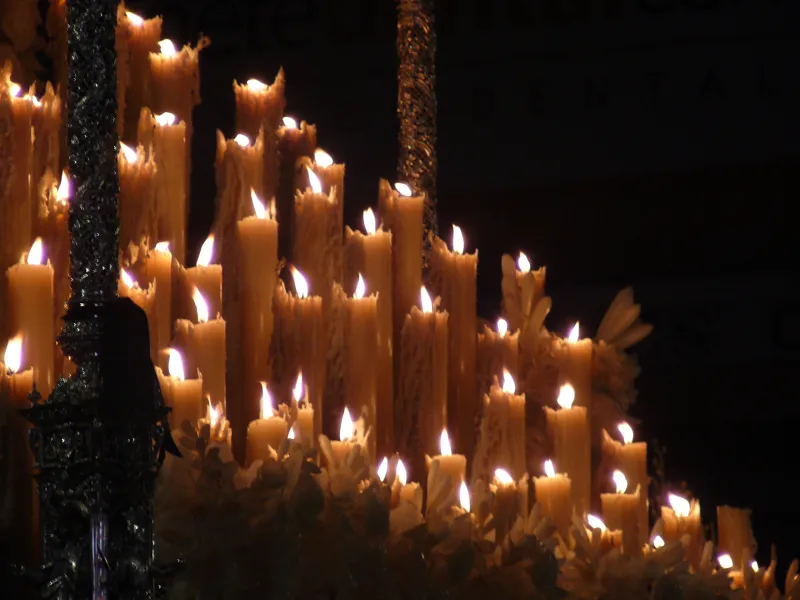
Basílica de la Macarena Guide
How to visit the Basílica de la Macarena in northern Seville: the beloved image of the Virgin of Hope, the on-site treasury museum, the Roman wall beside it, and the basilica's deep ties to Semana Santa.
Read guide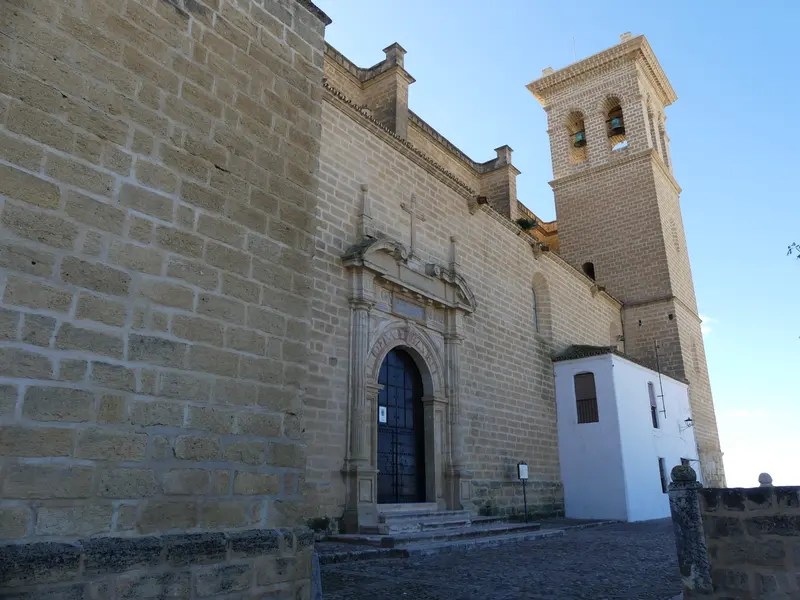
Best Museums in Seville
A decisive guide to Seville's museums: the golden-age paintings of Bellas Artes, the living art of the flamenco museum, contemporary work at the CAAC, ceramics in Triana and the palace-museums — compared by art, history, rain value and who each suits.
Read guide
Best Palaces in Seville
Seville is a city of palaces — royal, aristocratic and ecclesiastical. A decisive guide to the Real Alcázar, Casa de Pilatos, Palacio de las Dueñas and the lesser-known palace-homes: which to choose, how to combine them, and how to avoid palace fatigue.
Read guide
Best Photography Spots in Seville
The best places to photograph Seville and exactly when to shoot them: Plaza de España's tiled curves, Alcázar patios, the Giralda framed down narrow lanes, rooftops, river bridges and Santa Cruz patios — built into a golden-hour route around the heat.
Read guide
Best Tours in Seville
Which guided tours in Seville are actually worth it: skip-the-line Alcázar and Cathedral visits, food and tapas tours, flamenco experiences, bike rides, river cruises and day trips — compared by who they suit, when to book, and where you're better off going solo.
Read guide