
Best Tours in Seville
Which guided tours in Seville are actually worth it: skip-the-line Alcázar and Cathedral visits, food and tapas tours, flamenco experiences, bike rides, river cruises and day trips — compared by who they suit, when to book, and where you're better off going solo.

Photo: Alex Robertson / Unsplash
- ✓The tours most worth paying for are the ones that solve a real problem: skip-the-line and expert context at the Alcázar and Cathedral.
- ✓A tapas or food tour is the best 'first night' tour — it teaches you how to eat in Seville and sets up the rest of the trip.
- ✓Flamenco is better as a curated show than a tour; food, history and the monuments reward a good guide most.
- ✓Bikes and river cruises cover ground and beat the heat; day trips to Córdoba and beyond save you the logistics.
- ✓Book the Alcázar, Cathedral and popular small-group tours ahead, especially in high season. Verify prices, durations and what's included before you buy.
Do you even need a tour in Seville?
Seville is small, walkable and well-signposted, so you can absolutely do it independently — and much of its magic is precisely the unguided wander through Santa Cruz or along the river at dusk. But a few well-chosen tours genuinely improve a trip, and the trick is knowing which problems a tour actually solves. The best ones do one of three things: they get you past a queue, they unlock context you couldn't get on your own, or they hand you an experience (a tapas crawl, a flamenco night, a day trip) that's a hassle to assemble yourself.
This guide compares the main tour types by exactly that test — what they save you, who they suit, and when you're better off going solo. The short version: pay for expert access at the big monuments and for a great food tour early in the trip; be selective about the rest; and always book the popular ones ahead, because Seville's best small-group tours and timed monument slots sell out, especially in spring, around the festivals and through the summer. Treat all prices, durations and inclusions as things to verify with the operator before you commit.

Monument tours: Alcázar and Cathedral
If you pay for one kind of tour in Seville, make it a guided visit to the Real Alcázar or the Cathedral and Giralda — the two sights where a tour earns its keep twice over. First, the access: skip-the-line and pre-booked entry spares you the long queues that build at both, and that alone can be worth it on a tight trip in high season. Second, the context: the Alcázar's layers of Almohad, Mudéjar and Christian history, and the Cathedral's art, Columbus tomb and tower, are far richer with a good guide drawing out the stories you'd otherwise walk straight past.
There's a spread of formats. Small-group guided tours are the sweet spot for most visitors — knowledgeable, sociable and not too pricey. Private guides cost more but tailor the pace and depth, ideal for the genuinely curious or for families who need flexibility. And if you only want the queue solved, a skip-the-line ticket with an audio guide does the job for less. Combined Alcázar-plus-Cathedral tours exist and are efficient, though pacing two heavy monuments back to back can be a lot — consider splitting them across mornings. Book either ahead and verify exactly what your ticket includes (some leave out the Giralda climb or the upper royal apartments).
- The Alcázar and Cathedral are where a guide adds the most — access plus context.
- Small-group tours suit most; private guides for depth and flexibility; skip-the-line tickets if you only want the queue solved.
- Combined tours are efficient but heavy back to back — consider splitting across mornings.
- Book ahead; verify whether the Giralda climb or upper royal apartments are included.
Food and tapas tours: the best first night
The single most useful tour in Seville may be a tapas or food tour, and the best night to do it is your first. Eating here has its own rhythm — stand at the bar, order two or three small plates, move on to the next place — and a good food tour teaches you that rhythm by doing it, while introducing the local dishes (salmorejo, espinacas con garbanzos, jamón, fried fish), the sherry from nearby Jerez, and a handful of bars you'd never have found alone. You come away knowing how to eat in Seville for the rest of the trip, which is worth more than the meal itself.
The formats branch out from there. Classic tapas crawls hop between several bars over an evening; market tours (often in Triana) add the produce-and-ingredients angle; sherry and wine tastings go deep on what to drink; and private food tours tailor the route to your tastes and pace. Triana, across the river, is a particularly rewarding setting for a food walk, pairing tapas with the neighbourhood's ceramics and flamenco roots. Numbers are usually capped, so the good tours book up — reserve ahead, come hungry, and confirm what's included (how many stops, how much food and drink) before you book.
- A tapas/food tour on your first night teaches you how Seville eats — the best-value tour going.
- Choose between bar crawls, market tours, sherry tastings and private food walks.
- Triana is a standout setting, pairing tapas with ceramics and flamenco roots.
- Book ahead, come hungry, and confirm the number of stops and what food and drink is included.
Flamenco, bikes and the river
Some experiences sit between a 'tour' and an outing, and they round out a trip beautifully. Flamenco is the headline: rather than a guided tour, what you want is a well-chosen show — an intimate tablao or a peña where the art is taken seriously — and Seville, and especially Triana, is where flamenco was codified. Treat it as an evening to book, not a guided walk, and choose the venue carefully, because quality varies wildly between the soulful and the touristy.
Bikes and the river are the other two. A guided bike tour is one of the best ways to see a lot of Seville comfortably — the city is flat and lane-rich — linking the river, Plaza de España, María Luisa Park and Triana in a breezy half-day, and it doubles as heat relief and orientation early in a trip. A Guadalquivir river cruise is gentler still: an hour on the water that's at its best at golden hour, more about atmosphere than monuments. Neither is essential, but both are pleasant, and both work especially well when the heat makes hard walking unappealing.
- Flamenco is best as a curated show (a tablao or peña), not a guided tour — choose the venue with care.
- A guided bike tour covers a lot comfortably and beats the heat; great for orientation early on.
- A river cruise is a gentle, golden-hour atmosphere hour rather than a monument tour.
- All three shine when the heat makes long walking less appealing.
Day trips and out-of-town tours
Seville is the best base in Andalusia for day trips, and here a tour can save you real logistical hassle. Córdoba — and its breathtaking Mezquita-Catedral — is reachable by fast train in well under an hour, so many independent travellers do it themselves, but a guided day tour handles the tickets, timing and context if you'd rather not plan. The harder-to-reach places are where organised trips shine: Ronda and the white villages, perched dramatically inland, are awkward without a car, and a tour bundles the driving, the route and the stops into one easy day.
Other classics include Cádiz on the Atlantic (an easy train ride, great seafood, very doable solo), Jerez for sherry bodegas, and the Roman ruins of Itálica just outside the city. The rule of thumb: do the easy train trips (Córdoba, Cádiz) independently if you like control and want to save money, and take a tour for the car-dependent ones (Ronda, the white villages) or whenever you'd simply rather be driven and guided. Whichever you choose, start early to beat the heat, and verify departure points, durations and inclusions before booking.
- Córdoba and Cádiz are easy by fast train — doable solo, or take a tour for zero planning.
- Ronda and the white villages are car-dependent — a tour is the simplest way to do them.
- Also worth it: Jerez for sherry, and Roman Itálica just outside the city.
- Start early to beat the heat; verify departure points, durations and what's included.
How to choose and book well
A few principles keep you from over-touring or under-planning. Prioritise tours that solve a real problem — queues at the monuments, the learning curve of how to eat, the logistics of a far-flung day trip — and leave the rest to your own feet, which is where Seville is most magical anyway. Favour small groups over big coaches for the quality of the experience and the guide's attention. And space the heavy ones out: a monument tour and a food tour in one day is a full plate; two big monuments back to back can be a slog.
On booking: reserve the popular tours and timed monument slots ahead, particularly in spring, around Semana Santa and Feria de Abril, and through the summer, when they fill fast. Read carefully what each tour includes — admission tickets, the Giralda climb, how many food stops, hotel pickup — so you're comparing like with like, and check the meeting point and cancellation terms. Above all, treat every price, time and inclusion as something to confirm on the operator's own channel close to your dates, because these details shift with the season. Get the selection right and a couple of well-chosen tours, woven around free time to wander, give you the best of both: expert depth where it counts, and the freedom that makes Seville Seville.
- Pay for tours that solve a real problem; wander the rest on foot.
- Favour small groups; space out the heavy tours rather than stacking them.
- Book popular tours and monument slots ahead — especially spring, festivals and summer.
- Compare exactly what's included, and verify prices, times and meeting points before booking.
Map pins
Map data © OpenStreetMap contributors · Tiles © OpenFreeMap

Real Alcázar Tickets Guide
Straight answers on buying Real Alcázar tickets in Seville: official booking, time slots, guided tours, the royal-apartments add-on, free-entry notes, and the booking mistakes that cost people money or time.
Read guide
Seville Food Tours Guide
How to choose a Seville food tour: the difference between evening tapas crawls, daytime market walks, sherry and wine tastings, Triana neighbourhood routes and private tours — who each suits, what to expect, and how to book the right one.
Read guide
Best Day Trips from Seville
Seville is the best base in Andalusia for day trips — Córdoba's mosque-cathedral, Cádiz on the Atlantic, Ronda's gorge, Jerez sherry, the Roman ruins of Itálica and the white villages — compared by travel time, effort, season and who each one suits.
Read guideMore in Things to Do
6
Archivo de Indias Guide
Why the Archivo General de Indias belongs on your Seville list: what's inside the great archive of the Spanish Americas, the Renaissance building it lives in, how free entry works, and how to slot it between the Cathedral and the Alcázar.
Read guide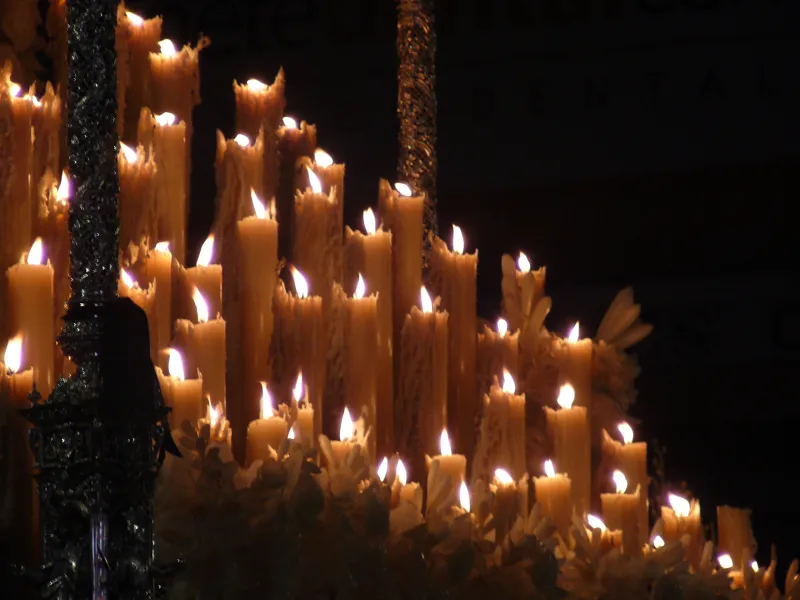
Basílica de la Macarena Guide
How to visit the Basílica de la Macarena in northern Seville: the beloved image of the Virgin of Hope, the on-site treasury museum, the Roman wall beside it, and the basilica's deep ties to Semana Santa.
Read guide
Best Free Things to Do in Seville
The best free things to do in Seville: grand plazas, shaded parks, riverside walks, beautiful churches, viewpoints, free-entry museum windows, and the heat-smart way to string them together without spending a euro.
Read guide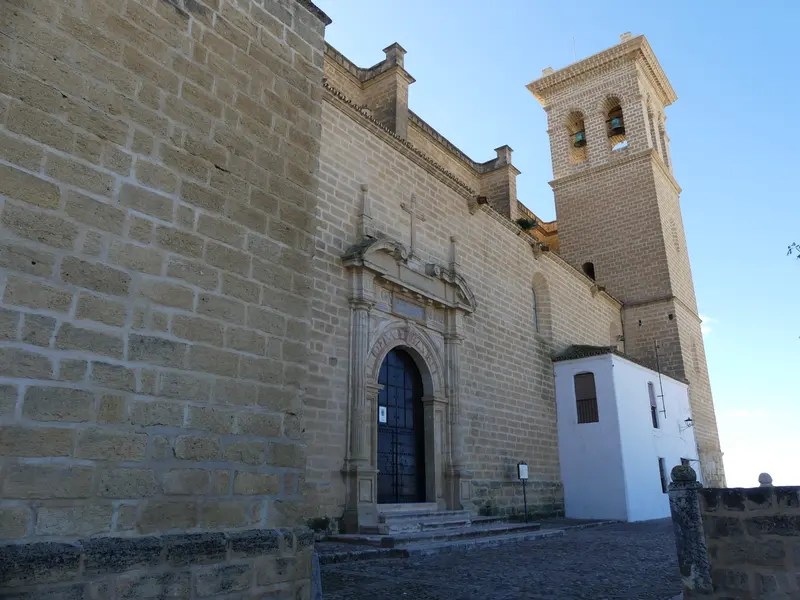
Best Museums in Seville
A decisive guide to Seville's museums: the golden-age paintings of Bellas Artes, the living art of the flamenco museum, contemporary work at the CAAC, ceramics in Triana and the palace-museums — compared by art, history, rain value and who each suits.
Read guide
Best Palaces in Seville
Seville is a city of palaces — royal, aristocratic and ecclesiastical. A decisive guide to the Real Alcázar, Casa de Pilatos, Palacio de las Dueñas and the lesser-known palace-homes: which to choose, how to combine them, and how to avoid palace fatigue.
Read guide
Best Photography Spots in Seville
The best places to photograph Seville and exactly when to shoot them: Plaza de España's tiled curves, Alcázar patios, the Giralda framed down narrow lanes, rooftops, river bridges and Santa Cruz patios — built into a golden-hour route around the heat.
Read guide