
Casa de Pilatos Guide
How to visit the Casa de Pilatos, Seville's finest Andalusian palace after the Alcázar: the tiled main courtyard, the gardens, the painted upper floor, ticket options, and how to pair it with central Seville.


- ✓A 15th–16th-century aristocratic palace blending Mudéjar, Gothic and Italian Renaissance styles — often called the loveliest private palace in Seville.
- ✓The tiled central courtyard, with classical statues and antique busts, is the showpiece; the gardens and the painted upper floor complete it.
- ✓Far quieter than the Alcázar, and still the residence of the Dukes of Medinaceli — an aristocratic home, not a museum.
- ✓Two ticket tiers: the ground floor and gardens on your own, or a guided visit that adds the furnished upper apartments.
- ✓It's a short walk from the Setas and the Centro tapas streets — easy to fold into a central day. Verify hours and prices before you go.
Seville's second palace
If the Real Alcázar is the palace everyone visits, the Casa de Pilatos is the one connoisseurs love. Tucked into the streets east of the centre, away from the cathedral crowds, it is widely regarded as the finest private palace in Seville and the prototype of the Andalusian aristocratic mansion. Built across the late 15th and 16th centuries by the Enríquez de Ribera family, it remains the property of the Dukes of Medinaceli — a lived-in noble house rather than a state monument, which gives it a warmth the grander sights can lack.
Its name comes from a legend that the palace was modelled on Pontius Pilate's house in Jerusalem — a story tied to a Holy Week devotional route that once began here. The truth is richer: this is a building where Spanish Mudéjar craft meets the Italian Renaissance, the result of a family that travelled, collected antiquities and brought the ideas of Italy home. The collision of styles, beautifully resolved, is exactly what makes it special.
The main courtyard: the showpiece
The heart of the house is its central courtyard, and it stops you in the doorway. Two tiers of slender marble arches rise above a dado of polychrome azulejos — the densest, richest display of 16th-century Sevillian tilework you'll see in any single room in the city. At the centre a fountain plays; in the corners stand classical marble statues, and around the walls runs a remarkable collection of antique Roman busts, brought back from Italy by the family. It is Andalusia and antiquity in one serene space.
Slow right down here. The pleasure is in the detail — the geometric tile panels, each corner statue, the carved plaster above, the play of light across the marble — and in the unlikely harmony of Islamic-rooted craft, Gothic stone and Renaissance sculpture sharing a single courtyard. For many visitors this room alone justifies the ticket.
- A two-tiered arcaded courtyard wrapped in 16th-century polychrome azulejos.
- Classical statues in the corners and a celebrated collection of antique Roman busts.
- A masterclass in blending Mudéjar tilework with Italian Renaissance sculpture.
Gardens, salons and the painted upper floor
Beyond the courtyard the palace opens into two intimate gardens — green, shaded and scented, with fountains, climbing plants and more antique sculpture set among the foliage. They are smaller and more private than the Alcázar's sweeping grounds, and all the more charming for it: a place to sit for a moment out of the sun. Around the ground floor run a series of richly tiled rooms and salons, including the much-photographed staircase beneath a great gilded half-dome.
The upper floor is a different experience again, and you reach it only on the guided visit. Up here are the family's furnished apartments — still used, hung with paintings (look for the ceiling frescoes and the painted galleries), tapestries and antiques accumulated over centuries. It's the part of the house that feels most like a home, and it adds a layer of life that the self-guided ground floor can't quite give you.
- Two intimate gardens with fountains and sculpture — quieter than the Alcázar's grounds.
- Tiled salons and the gilded-dome staircase on the ground floor.
- The furnished, painted upper apartments — accessible only on the guided visit.

The blend of styles that makes it special
The Casa de Pilatos is, in a single building, the story of how Seville fused its worlds. Its Mudéjar bones — the intricate tilework, the carved plaster, the coffered wooden ceilings — were made by craftsmen working in the Islamic-rooted tradition that had shaped Andalusian architecture for centuries. Onto that the Enríquez de Ribera family grafted the new fashions of the Italian Renaissance, which they had seen first-hand: classical marble doorways, an Italian-carved staircase balustrade, antique columns and the celebrated collection of Roman sculpture set throughout the house.
The marquess who completed much of the palace had travelled to Italy and the Holy Land, and he brought home both ideas and objects. The result is a building that should feel like a clash and instead feels like a conversation — Gothic vaulting, Mudéjar tiles and Renaissance statuary arranged with a confidence that only deep wealth and good taste can buy. For anyone interested in how cultures meet in stone, the Casa de Pilatos is one of the most eloquent buildings in Spain.
- Mudéjar tilework, carved plaster and coffered ceilings from the Andalusian tradition.
- Italian Renaissance marble, a carved staircase and antique columns added by the family.
- One of Spain's clearest examples of cultures meeting in a single house.

Tickets, the two tiers, and how long to allow
The Casa de Pilatos typically sells two kinds of ticket: a ground-floor-and-gardens admission you explore at your own pace, and a more complete ticket that adds a guided tour of the upper apartments. The upstairs visit is guided and timed, so if you want it, plan your arrival around the tour schedule. Prices, hours and any reduced or free-entry windows change, so confirm the current details on the official channel before you go rather than relying on third-party listings.
Allow around an hour to ninety minutes for a relaxed visit — longer if you take the upper floor and linger in the gardens. Because so much of the palace is open courtyard and shaded room, it's a comfortable choice in warm weather, and its lighter crowds compared with the Alcázar mean you can actually pause and look. As ever in Seville, the morning is calmest.
- Ground floor + gardens self-guided, or a fuller ticket adding the guided upper apartments.
- The upstairs visit is guided and timed — arrive to suit the schedule.
- Allow 60–90 minutes; more with the upper floor.
- Verify current prices, hours and free-entry windows on the official source.
Map pins
Map data © OpenStreetMap contributors · Tiles © OpenFreeMap
Pair it with central Seville
The Casa de Pilatos sits in the eastern part of the centre, an easy stroll from the Setas de Sevilla, the Plaza del Salvador and the tapas lanes of Alfalfa. That makes it a natural anchor for a central, less monument-heavy day: the palace in the morning when it's coolest and quietest, tapas around Alfalfa or El Salvador for lunch, and the Setas rooftop for sunset, all within a compact walk.
It also pairs beautifully with the city's other palace-homes for anyone who falls for Seville's domestic architecture. Combine it with the Palacio de las Dueñas to the north for a tile-and-courtyard theme, or simply let it be the elegant, uncrowded counterpoint to the Alcázar — the palace you'll remember for the room you finally had time to look at.
Who will love it
The Casa de Pilatos is for anyone who wants Andalusian palace beauty without the Alcázar's crowds, and for lovers of tilework, courtyards and the meeting of cultures that defines Seville. Couples find it quietly romantic; design and history fans find it endlessly detailed; and even a quick visit rewards the eye. It is not as vast or as famous as the Alcázar, and it doesn't try to be — its appeal is intimacy and craftsmanship.
If your time is tight and you can only see one palace, the Alcázar still wins on sheer scale and significance. But if you have a second slot, or you simply want a calmer, more personal encounter with old Seville, the Casa de Pilatos is the one to choose — a private world of marble, tile and antiquity, hidden in plain sight off the tourist track.
- Ideal for lovers of tiles, courtyards and Seville's blended Mudéjar-Renaissance style.
- Quieter and more intimate than the Alcázar — a strong 'second palace' choice.
- Romantic, detail-rich and rewarding even on a short visit.
Getting there and visiting smart
The Casa de Pilatos stands on the Plaza de Pilatos, in the quiet streets between the Setas and the cathedral district — a ten-to-fifteen-minute walk from the Cathedral and an easy stroll from the Setas, Alfalfa and El Salvador. There's no need for transport; the pleasure is in walking to it through the older, less touristed lanes of the centre. Aim for the morning, when the courtyards are coolest and the light falls beautifully across the tiles, and when crowds — already modest here — are at their thinnest.
A few small things sharpen the visit. If the upper apartments appeal, plan your arrival around the guided tour times, since that floor is seen only with a guide. Photography for personal use is generally fine in the courtyards and gardens, though rules can tighten upstairs, so follow the signage. And give yourself permission to slow down: this is a palace that rewards looking closely rather than ticking off rooms — the joy is in a single tile panel, a corner statue, the play of light in a quiet patio. Confirm the day's opening hours before you set out, as a private foundation runs its own calendar.
- On Plaza de Pilatos, a 10–15 minute walk from the Cathedral; no transport needed.
- Go in the morning for cool courtyards, good light and the thinnest crowds.
- Time your arrival for the guided tour if you want the upper apartments.
- Slow down and look closely — and verify the day's hours before setting out.


Best Palaces in Seville
Seville is a city of palaces — royal, aristocratic and ecclesiastical. A decisive guide to the Real Alcázar, Casa de Pilatos, Palacio de las Dueñas and the lesser-known palace-homes: which to choose, how to combine them, and how to avoid palace fatigue.
Read guide
Centro Seville Guide
Centro is Seville's practical, well-priced heart: shopping streets, cafés, churches and the Setas, all walkable to the cathedral. A value-focused central base away from the worst of the Santa Cruz crush.
Read guide
Seville Hidden Gems Worth Your Time
Beyond the Alcázar and the Cathedral: Seville's quieter palaces, small museums, tiled corners, local neighbourhoods and underused walking routes — the places that make the city feel like a discovery rather than a checklist.
Read guideMore in Things to Do
6
Archivo de Indias Guide
Why the Archivo General de Indias belongs on your Seville list: what's inside the great archive of the Spanish Americas, the Renaissance building it lives in, how free entry works, and how to slot it between the Cathedral and the Alcázar.
Read guide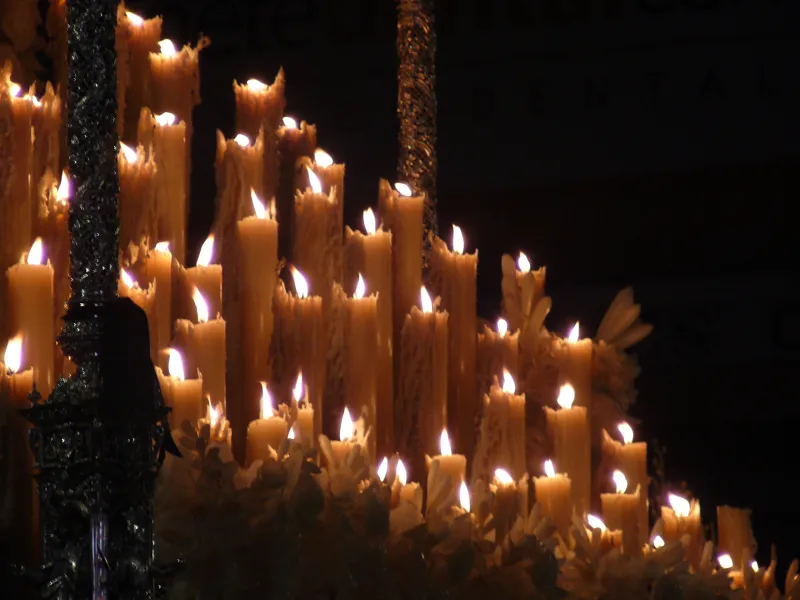
Basílica de la Macarena Guide
How to visit the Basílica de la Macarena in northern Seville: the beloved image of the Virgin of Hope, the on-site treasury museum, the Roman wall beside it, and the basilica's deep ties to Semana Santa.
Read guide
Best Free Things to Do in Seville
The best free things to do in Seville: grand plazas, shaded parks, riverside walks, beautiful churches, viewpoints, free-entry museum windows, and the heat-smart way to string them together without spending a euro.
Read guide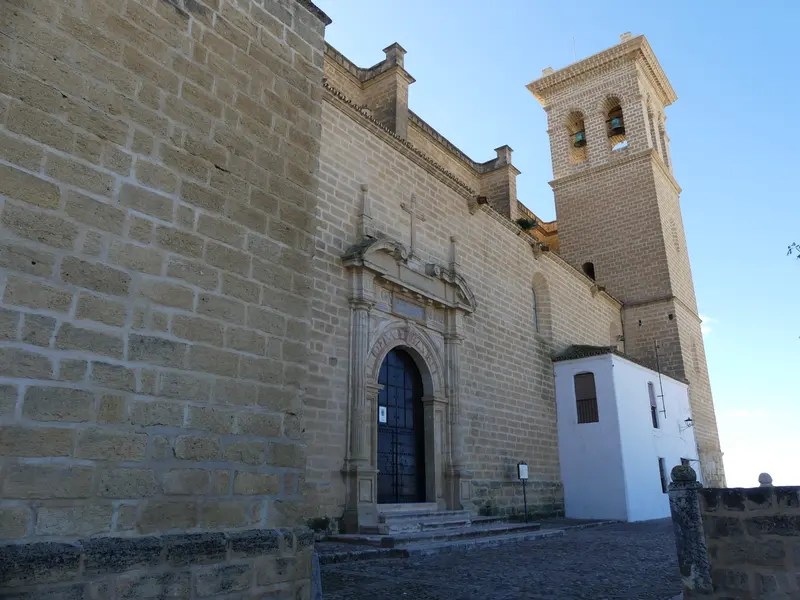
Best Museums in Seville
A decisive guide to Seville's museums: the golden-age paintings of Bellas Artes, the living art of the flamenco museum, contemporary work at the CAAC, ceramics in Triana and the palace-museums — compared by art, history, rain value and who each suits.
Read guide
Best Photography Spots in Seville
The best places to photograph Seville and exactly when to shoot them: Plaza de España's tiled curves, Alcázar patios, the Giralda framed down narrow lanes, rooftops, river bridges and Santa Cruz patios — built into a golden-hour route around the heat.
Read guide
Best Tours in Seville
Which guided tours in Seville are actually worth it: skip-the-line Alcázar and Cathedral visits, food and tapas tours, flamenco experiences, bike rides, river cruises and day trips — compared by who they suit, when to book, and where you're better off going solo.
Read guide