
Seville Hidden Gems Worth Your Time
Beyond the Alcázar and the Cathedral: Seville's quieter palaces, small museums, tiled corners, local neighbourhoods and underused walking routes — the places that make the city feel like a discovery rather than a checklist.

Photo: Dina Spencer / Unsplash
- ✓Casa de Pilatos is the city's great open secret — a palace as beautiful as the Alcázar, with a fraction of the queue.
- ✓Cross to La Cartuja for the CAAC, where contemporary art lives inside a Carthusian monastery on its own island of calm.
- ✓The Macarena and northern Seville reward wanderers with working-class flavour, a Baroque showpiece church, and almost no other tourists.
- ✓Small museums and quiet courtyards give you the same craft and light as the icons, in rooms you can have nearly to yourself.
- ✓The best 'hidden gem' in Seville is simply the next lane you haven't walked — go slow, look up, and follow the shade.
Why Seville keeps so much in reserve
Most visitors give Seville two or three days, and those days are rightly spent on the Alcázar, the Cathedral, Plaza de España and a tapas-and-flamenco night. But the city is far deeper than its highlight reel, and some of its loveliest places are quiet precisely because they sit just off the main current. A few minutes' walk from a heaving icon, you can find a palace courtyard with one other person in it, a church that takes your breath away, or a neighbourhood square where nobody is taking a photograph.
This is a guide to those places — the genuine hidden gems of Seville, chosen because they reward the time it takes to reach them. None are secret in the literal sense; all are real, visitable and worth it. What they share is a sense of discovery: the feeling, increasingly rare in a great tourist city, that you have found something for yourself. Where a detail is volatile — opening days for a smaller site, a free-entry window — confirm it locally; the places themselves are evergreen.

Casa de Pilatos — the palace the crowds miss
If you only stretch beyond the headline sights once, make it Casa de Pilatos. This sixteenth-century aristocratic palace, still owned by the Medinaceli family, blends Mudéjar tilework, a Renaissance courtyard, Roman sculpture and a hushed garden into something every bit as ravishing as the Alcázar — and it draws a fraction of the visitors. The central patio, ringed in azulejos and arcaded in marble, is one of the most beautiful enclosed spaces in the city, and you can usually stand in it without a crowd.
It sits in the Centro district, an easy walk from the Cathedral but psychologically a world away from the tour-group flow. Give it an hour, more if the upstairs rooms (sometimes a separate guided visit — verify on the day) are open. The detail rewards slow looking: the Roman busts the family collected, the fine plasterwork, the fountain at the heart of the patio, the way the light moves across the tiles through the afternoon. For anyone with a taste for palaces who fears 'palace fatigue', Pilatos is the antidote: smaller, calmer, and somehow more personal than the icons — a place you visit rather than process.
Contemporary art in a monastery: the CAAC on La Cartuja
Across the river on the island of La Cartuja, the Centro Andaluz de Arte Contemporáneo (CAAC) occupies the Monasterio de Santa María de las Cuevas — the Carthusian monastery where Columbus once stayed and was briefly buried, later reborn as a ceramics factory whose bottle kilns still stand on the grounds. The juxtaposition is the draw: cutting-edge installations in cloisters and chapels, history layered under modern art, and a spacious, contemplative calm you rarely get at the central monuments.
It is a genuinely different Seville — green, quiet, architectural — and it makes a perfect pairing for travellers who want a break from Baroque gold and tiled patios. The grounds themselves are part of the pleasure: open, calm, dotted with the old factory's brick bottle kilns, a place to slow right down after the intensity of the centre. Teenagers and design-minded visitors tend to love it precisely because it doesn't look like anywhere else they've been in the city. Check the current days and any free-entry arrangements before you cross the river, as these can change.
The Macarena and northern Seville
North of the busy centre, the Macarena district is where Seville feels most like itself: a working neighbourhood of local markets, old taverns, surviving stretches of the medieval city wall, and the great Basílica de la Macarena, home to the city's most beloved Virgin and the heart of Semana Santa devotion. Walk up here and the tourist density drops away; the tapas get cheaper and the welcome warmer. Nearby, the Baroque church of San Luis de los Franceses is one of the city's most jaw-dropping interiors, and one of its least visited.
Close by, the Palacio de las Dueñas — the Alba family's palace where the poet Antonio Machado was born — offers another quiet courtyard-and-garden retreat with far fewer crowds than the Alcázar. Together, the Macarena and its edges make a half-day that almost no first-timer attempts, which is exactly why it feels like a discovery.
- Basílica de la Macarena — the city's most venerated image, and a window onto living Sevillian devotion.
- San Luis de los Franceses — a Baroque showpiece interior with almost no queue.
- Palacio de las Dueñas — a serene aristocratic palace, courtyards and gardens, light crowds.
- Surviving medieval walls and a local tapas scene that feels lived-in, not staged.
Small museums and quiet interiors
Seville's smaller cultural sites are some of its most rewarding, precisely because you can have them nearly to yourself. The Hospital de los Venerables in Santa Cruz pairs a serene Baroque courtyard with a focused art collection, a calm pocket steps from the busiest lanes. The Museo de Bellas Artes — Seville's superb fine-arts museum, second only to the Prado for Spanish painting — is astonishingly uncrowded for its quality, and it doubles as the city's best rainy-day refuge.
These interiors offer the same things people love about the icons — light through old windows, craft, hush — without the timed-ticket scramble. They are also where Seville quietly tells its story: the Golden Age painters, the religious imagery, the centuries of trade with the Americas that made the city rich. For travellers who like to understand a place, not just photograph it, these are the gems.
- Museo de Bellas Artes — world-class Spanish painting, rarely crowded; the top wet-weather pick.
- Hospital de los Venerables — Baroque courtyard and art collection in the heart of Santa Cruz.
- Archivo de Indias — the archive of Spain's American empire, often overlooked between the icons.
- Smaller parish churches across Centro and Triana — free, cool and frequently gorgeous.
Tiled corners and the craft of Triana
Seville's hidden gems are often small and underfoot: the ceramic street signs, the tiled shopfronts and tavern facades, the Virgin shrines set into corners, the patios glimpsed through iron grilles. The craft behind all of it lives across the river in Triana, the historic ceramics quarter, where the Centro Cerámica Triana tells the tile story inside a former factory, and a handful of working workshops still fire and paint azulejos by hand. It's a lens that turns an ordinary walk into a treasure hunt.
Pair the ceramics centre with the Mercado de Triana for a food stop, and you have a low-key afternoon that locals would recognise as their own. Triana's flamenco roots and riverside terraces add to the sense of a neighbourhood that lives on its own terms, just a bridge from the tourist core but rarely overrun.

Underused walks and the art of going slow
The truest hidden gem in Seville is unplanned: the lane you turn down because it looks pretty, the square you stumble into, the patio door left open. The old town is small and endlessly layered, and the reward for wandering — looking up at the eaves and balconies, following the shade, letting a street lead you — is almost always another lovely thing. Early mornings and the cooler shoulder seasons are when this works best, before the heat and the crowds thicken.
If you want a frame for it, walk the quieter edges: the Murillo Gardens along the Alcázar wall, the riverbank away from the main span, the streets of Centro between the obvious sights. Carry water, leave margin in the day, and resist the urge to fill every hour. In a city this beautiful, the gaps in the plan are where the discoveries live.
- Go early — the lanes are coolest, quietest and most photogenic before mid-morning.
- Follow the shade and the iron grilles; the best patios reveal themselves to slow walkers.
- Leave unplanned time; in Seville, the unscheduled hour is usually the one you remember.

At a glance
A shortlist of Seville's most rewarding lesser-knowns, and the timing logic that keeps them quiet. The places are evergreen; opening days and any free-entry windows for the smaller sites do shift, so verify those locally.
- Best single swap for a crowded icon: Casa de Pilatos instead of (or as well as) the Alcázar.
- Best different-Seville half-day: La Cartuja and the CAAC across the river.
- Best local neighbourhood: the Macarena, with San Luis de los Franceses and Las Dueñas.
- Best quiet interiors: Bellas Artes and Hospital de los Venerables — also ideal in the rain.
- Best free discovery: an unhurried morning walk through Santa Cruz and Triana with no fixed plan.

Casa de Pilatos Guide
How to visit the Casa de Pilatos, Seville's finest Andalusian palace after the Alcázar: the tiled main courtyard, the gardens, the painted upper floor, ticket options, and how to pair it with central Seville.
Read guide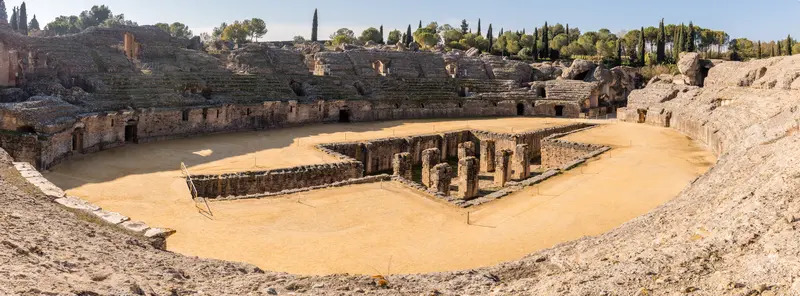
CAAC Seville Guide
How to visit the Centro Andaluz de Arte Contemporáneo on Cartuja island: contemporary art inside a former Carthusian monastery with a Columbus and ceramics past, set in the legacy of Expo '92 — what's on, who it suits, and how to reach it.
Read guide
Macarena Guide
Northern Seville's most local quarter: the Basílica de la Macarena and its venerated image, the surviving Almohad city walls, real-life markets and tapas, the Alameda edge, and when this slower, better-value base makes sense.
Read guideMore in Things to Do
6
Archivo de Indias Guide
Why the Archivo General de Indias belongs on your Seville list: what's inside the great archive of the Spanish Americas, the Renaissance building it lives in, how free entry works, and how to slot it between the Cathedral and the Alcázar.
Read guide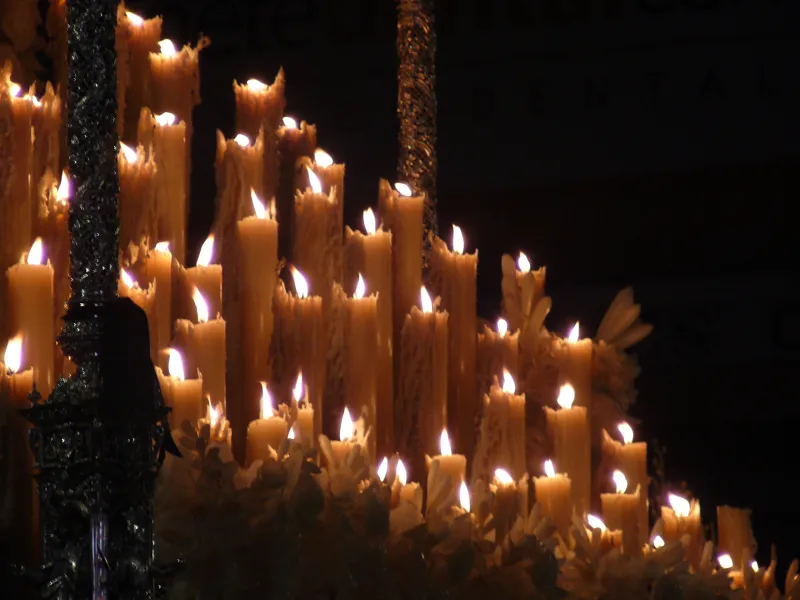
Basílica de la Macarena Guide
How to visit the Basílica de la Macarena in northern Seville: the beloved image of the Virgin of Hope, the on-site treasury museum, the Roman wall beside it, and the basilica's deep ties to Semana Santa.
Read guide
Best Free Things to Do in Seville
The best free things to do in Seville: grand plazas, shaded parks, riverside walks, beautiful churches, viewpoints, free-entry museum windows, and the heat-smart way to string them together without spending a euro.
Read guide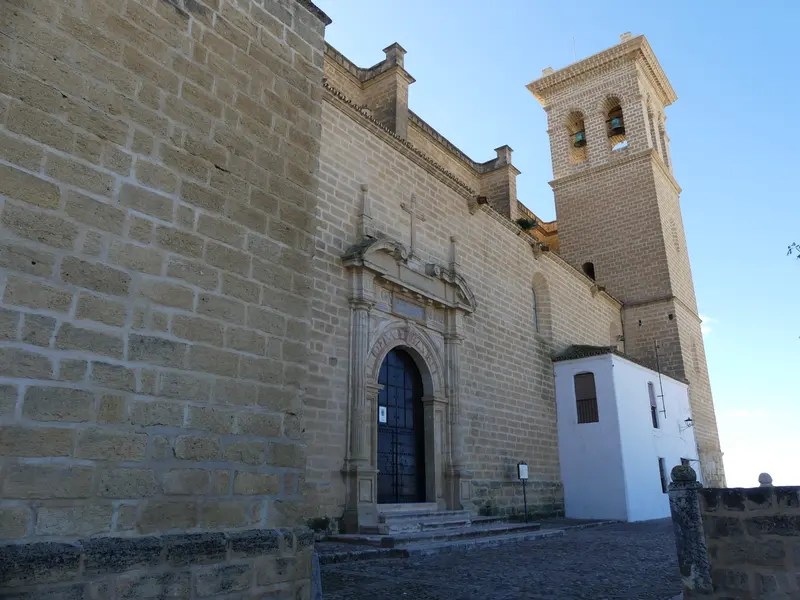
Best Museums in Seville
A decisive guide to Seville's museums: the golden-age paintings of Bellas Artes, the living art of the flamenco museum, contemporary work at the CAAC, ceramics in Triana and the palace-museums — compared by art, history, rain value and who each suits.
Read guide
Best Palaces in Seville
Seville is a city of palaces — royal, aristocratic and ecclesiastical. A decisive guide to the Real Alcázar, Casa de Pilatos, Palacio de las Dueñas and the lesser-known palace-homes: which to choose, how to combine them, and how to avoid palace fatigue.
Read guide
Best Photography Spots in Seville
The best places to photograph Seville and exactly when to shoot them: Plaza de España's tiled curves, Alcázar patios, the Giralda framed down narrow lanes, rooftops, river bridges and Santa Cruz patios — built into a golden-hour route around the heat.
Read guide