
Seville at Night
How to spend an evening in Seville: floodlit monuments, rooftop sunsets, the tapas paseo, flamenco, riverside walks, and the safe, slow rhythm of an Andalusian night — all timed around the heat and the late local clock.

Photo: María López Jorge / Unsplash
- ✓Seville comes alive late: dinner rarely starts before 21:00, tapas bars fill from 20:30, and the streets are at their warmest and most sociable well after dark.
- ✓The free spectacle is the city floodlit — the Giralda, the Cathedral, Plaza de España and the Setas all glow at night, and the riverbanks turn to gold then lamplight.
- ✓Build the evening in three acts: a rooftop or riverside sunset, a tapas paseo through lit lanes, and a flamenco show or a last drink under the stars.
- ✓In summer, the night is when Seville is liveable — locals only really emerge once the heat breaks, so plan your best hours for after sundown.
- ✓It is a famously easy-going city after dark, but the usual old-town sense applies: keep valuables close in crowds and stick to the busy, well-lit streets late on.
Seville keeps late, generous hours
There are cities you see by day and cities you feel by night, and Seville is firmly the second. The Andalusian clock runs late — lunch can stretch to four, the afternoon dissolves into a siesta or a long café, and the real life of the city begins again only when the sun loses its edge. By the time northern visitors are thinking of bed, Sevillanos are just choosing a bar. Lean into it: the evening is not the end of the day here, it is the point of it.
This is doubly true in the warm months. From late spring through early autumn the afternoon is for shade and stillness; the night is when families spill onto the squares, terraces fill, and the streets soften into something kinder. Plan your best, most ambitious hours for after dark and you will meet the city at its happiest. What follows is a practical, romantic map of a Seville night — when things open, how to pace it, and where the most beautiful free moments hide.

Start high: rooftops and the sunset hour
Begin the night above it. Seville's rooftop bars are one of its great pleasures, and the golden hour before sunset — when the heat finally drops and the Giralda catches the last light — is the moment to claim a terrace. Several historic-centre hotels open their roofs to non-guests for a drink, and the reward is the city's tiled skyline going from amber to rose to floodlit gold. Tables are limited and the good ones go fast in season, so it is worth booking ahead or arriving early; treat any specific opening times as something to verify locally, as terraces are seasonal and weather-dependent.
If you would rather stay at street level, the riverbank does the same trick for free. The walk along the Guadalquivir as the sun sets — past the Torre del Oro, across to the Triana side, back along the water — is the loveliest no-cost thing to do in the city at dusk, and it sets you down perfectly for dinner on Calle Betis or in the old town. Either way, the rule is the same: be somewhere with a view when the light turns.
- Rooftop terraces in the historic centre offer Giralda views at sunset — book or arrive early in season, and verify seasonal hours.
- The Guadalquivir riverbank is the free alternative: golden hour from Torre del Oro to the Triana bridge is unbeatable.
- Aim to be in position 30–45 minutes before sunset for the best light and a seat.
- A first drink up high, then descend into the lit lanes for tapas — the classic Seville evening arc.
The city floodlit: a free night-walk
Seville's monuments are arguably more beautiful at night than by day, and looking at them costs nothing. The Giralda, lit gold against a deep sky, presides over the whole old town; the Cathedral's buttresses and the Archivo de Indias glow in their floodlights; and Plaza del Triunfo between them is at its most cinematic once the crowds thin. A slow loop here after dinner — Cathedral, Alcázar walls, Plaza del Triunfo, into the lamplit maze of Santa Cruz — is one of the most romantic free things to do in the city.
Push a little further and the rewards keep coming. Plaza de España is floodlit and far quieter at night, its tiled bridges and canal reflecting the light. The Setas de Sevilla — the great timber 'mushrooms' over in Centro — are surreal after dark, the plaza beneath them free to wander and, on a schedule that changes through the year, the structure itself is lit in shifting colour (verify current timings on site). And the bridges over the river frame the whole skyline. Bring comfortable shoes and let the lit city pull you from square to square.
- Cathedral, Giralda and Plaza del Triunfo — the classic floodlit core, best after the day-trippers have gone.
- Plaza de España at night — quieter, dramatically lit, and free to walk.
- Setas de Sevilla from below — strange and striking after dark; the colour-lighting schedule is seasonal, so verify.
- The Triana and San Telmo bridges — free skyline panoramas with the old town glowing across the water.
The tapas paseo: how Sevillanos eat at night
Dinner in Seville is rarely a single sitting at a single table. The local way is the paseo de tapas: a slow crawl through several bars, a couple of small plates and a drink at each, the company more important than any one dish. Bars get going from around 20:30 and the streets stay busy late; if you turn up at 19:00 expecting a buzz you will find waiters still setting out chairs. Pace yourself, order little and often, and treat the walk between bars — through lit lanes, across small squares — as part of the meal.
Where you crawl shapes the night. The lanes around Alfalfa and the streets off Plaza del Salvador are dense with bars and young, lively energy. Santa Cruz is prettier and more touristy but undeniably atmospheric after dark. Across the river, Triana and Calle Betis give you river views and a more local, neighbourly feel. Whichever you choose, prices and menus shift constantly, so go by the crowd rather than any fixed recommendation — a busy bar with locals standing three-deep is the surest sign you have found the right one.
- Bars fill from roughly 20:30; sit-down dinner often starts 21:00 or later — don't arrive too early.
- Order two or three small plates per bar, then move on — the walking between is half the pleasure.
- Alfalfa and Plaza del Salvador for buzz; Santa Cruz for atmosphere; Triana and Calle Betis for river-side local feel.
- Follow the crowd, not a fixed list — a packed bar is the best recommendation there is.
Flamenco after dark
No Seville night is complete without flamenco, and the evening is when it belongs. The city is one of the art form's true homes, and you can choose your intensity: a polished tablao with dinner or drinks and several artists, an intimate small-room show where the guitar and the cante are inches away, or — for the committed — a peña, a members' club where the atmosphere is serious and the performances unscheduled. Triana, the historic flamenco barrio across the river, is the most evocative place to see it.
Most shows run in early-evening and later sittings, and the better ones sell out, so book ahead and arrive in good time. A common and lovely way to build the night is a riverside dinner in Triana, then a show, then a last drink on Calle Betis with the old town lit across the water. Show times, prices and line-ups change, so confirm details when you book — but the principle is timeless: in Seville, flamenco is an evening ritual, not a daytime attraction.
- Choose your format: a tablao for accessibility and spectacle, a small-room show for intimacy, a peña for the real thing.
- Triana is the spiritual home — pair a show with a Calle Betis dinner for the classic flamenco night.
- Book ahead and arrive early; the good shows sell out and seating is often first-come within your reservation.
- Show times and prices shift through the year — confirm when booking.
A last drink, and a word on safety
When the show ends and the tapas plates are cleared, Seville's night drifts on. Locals linger over a copa — a glass of wine, a gin and tonic, a fino sherry — on a terrace or in a square, and the open-air bars of the Alameda de Hércules, north of the centre, are where a younger crowd keeps going late. There is no rush and no closing-time stampede; the night simply softens. For couples, a final slow walk back through the floodlit old town, or along the river, is the gentlest possible end to the evening.
Seville is a relaxed, welcoming city after dark, and serious trouble is rare, but it is still a busy tourist city, so the ordinary sense applies. Keep bags and phones close in crowded bars and on packed squares, where opportunist pickpocketing is the main risk. Stick to well-lit, populated streets late at night, agree a meeting point if your group splits, and use licensed taxis or a recognised ride app rather than unmarked cars. None of this should dampen the mood — it is simply the same care you would take in any lively city centre.
- Wind down with a copa on a terrace or square — the Alameda de Hércules is the late-night, open-air social heart.
- Pickpocketing in crowds is the realistic risk; keep valuables zipped and close, especially in packed bars.
- Favour busy, well-lit streets late on, and use licensed taxis or a recognised ride app to get home.
- Agree a meeting point if you split up, and don't leave drinks unattended.

At a glance
A quick reference for timing and shaping a Seville night. The constant is the late clock and the free floodlit spectacle; the variables are rooftop and show hours, which are seasonal and must be checked when you book.
- Rhythm: sunset drink (rooftop or riverbank) → tapas paseo from ~20:30 → flamenco or floodlit walk → a final copa.
- Dinner timing: tapas bars fill from 20:30, sit-down dinner often starts 21:00 or later.
- Always free: the floodlit Cathedral, Giralda, Plaza de España, the Setas plaza, and the river at night.
- Book ahead: rooftop terraces and flamenco shows, both of which sell out in season.
- Safety: keep valuables close in crowds, favour lit busy streets late, use licensed taxis/ride apps.
- Verify locally: rooftop and show hours, the Setas colour-lighting schedule, and any cover charges.

Best Flamenco Shows in Seville
How to choose a flamenco show in Seville without falling into the tourist trap: the difference between polished tablaos, intimate small-venue shows, Triana's options, the Flamenco Museum's stage and the serious peñas, plus where each type suits you and how to book a night you'll remember.
Read guide
Best Rooftop Bars in Seville
How to do rooftop bars in Seville well: the types of terrace (hotel rooftops, monument-view bars, casual high points), how to time sunset and beat the summer heat, where to find Giralda and river views, when to reserve, and how to dress for the door.
Read guide
Romantic Rooftops in Seville
The most romantic rooftop terraces and bars in Seville — hotel rooftops with the floodlit Giralda for a backdrop, where to catch the sunset, how to time the magic blue-hour window, and how to turn a rooftop drink into a perfect evening for two.
Read guideMore in Things to Do
6Archivo de Indias Guide
Why the Archivo General de Indias belongs on your Seville list: what's inside the great archive of the Spanish Americas, the Renaissance building it lives in, how free entry works, and how to slot it between the Cathedral and the Alcázar.
Read guide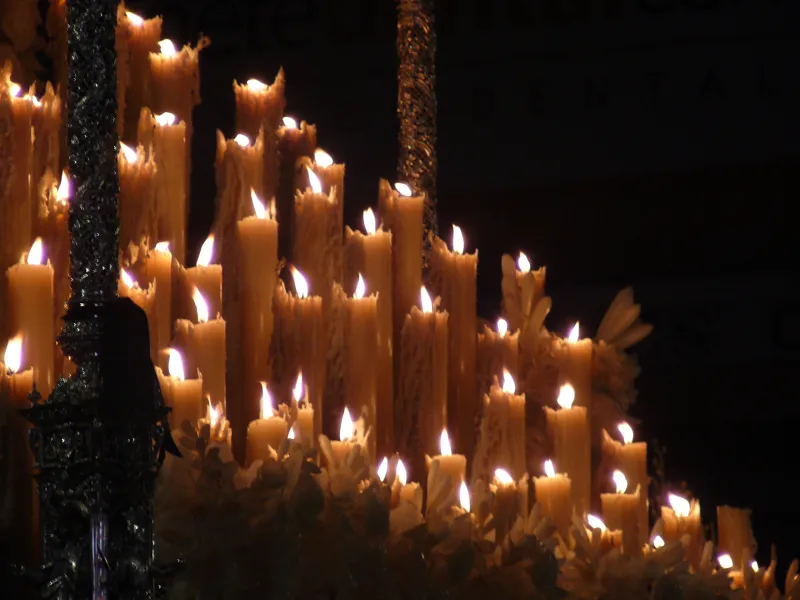
Basílica de la Macarena Guide
How to visit the Basílica de la Macarena in northern Seville: the beloved image of the Virgin of Hope, the on-site treasury museum, the Roman wall beside it, and the basilica's deep ties to Semana Santa.
Read guide
Best Free Things to Do in Seville
The best free things to do in Seville: grand plazas, shaded parks, riverside walks, beautiful churches, viewpoints, free-entry museum windows, and the heat-smart way to string them together without spending a euro.
Read guide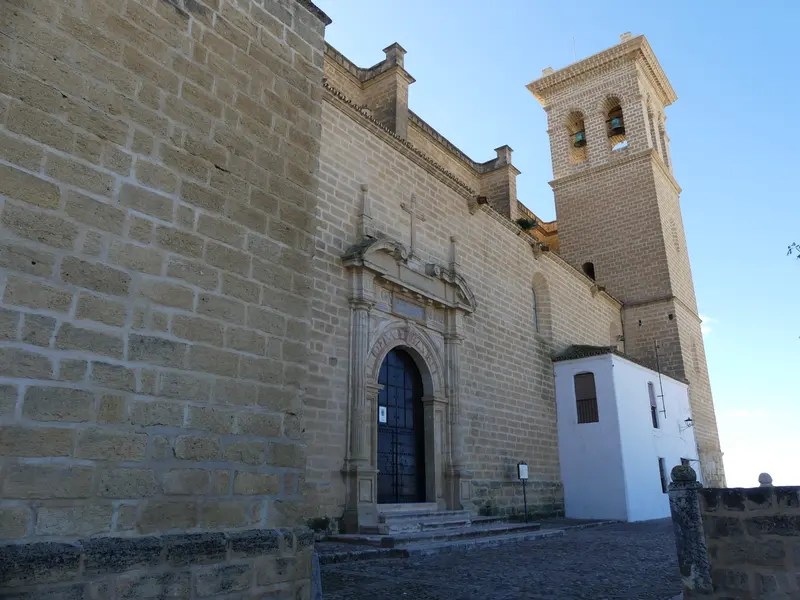
Best Museums in Seville
A decisive guide to Seville's museums: the golden-age paintings of Bellas Artes, the living art of the flamenco museum, contemporary work at the CAAC, ceramics in Triana and the palace-museums — compared by art, history, rain value and who each suits.
Read guide
Best Palaces in Seville
Seville is a city of palaces — royal, aristocratic and ecclesiastical. A decisive guide to the Real Alcázar, Casa de Pilatos, Palacio de las Dueñas and the lesser-known palace-homes: which to choose, how to combine them, and how to avoid palace fatigue.
Read guide
Best Photography Spots in Seville
The best places to photograph Seville and exactly when to shoot them: Plaza de España's tiled curves, Alcázar patios, the Giralda framed down narrow lanes, rooftops, river bridges and Santa Cruz patios — built into a golden-hour route around the heat.
Read guide