
Museum of Fine Arts Guide
How to visit Seville's Museum of Fine Arts: the second great picture gallery in Spain, set in a beautiful former convent, with the city's deepest collection of Murillo, Zurbarán and the Sevillian Golden Age — plus tiled courtyards, timing tips and serious rainy-day value.
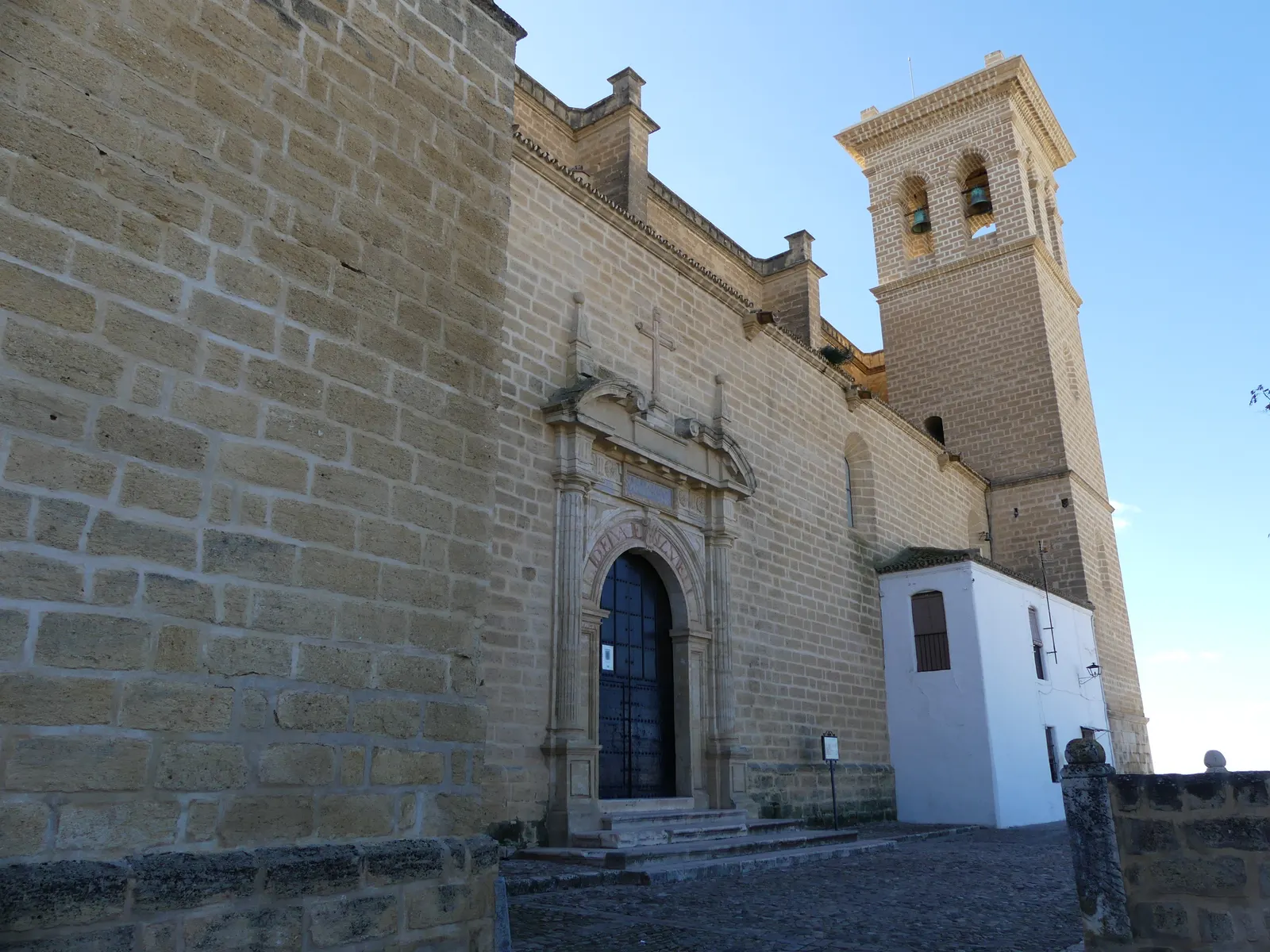
Photo: CarlosVdeHabsburgo / Wikimedia Commons · CC BY-SA 4.0
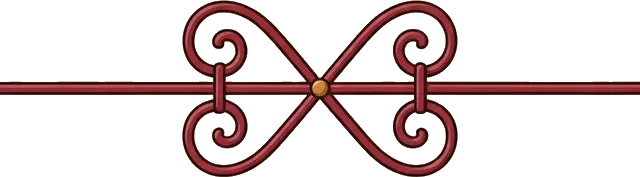
- ✓Widely considered Spain's second most important art museum after the Prado — and far quieter.
- ✓Set in the former Convento de la Merced, a beautiful Baroque building with tiled courtyards and a soaring former church as its showpiece gallery.
- ✓The deepest collection anywhere of Sevillian Golden Age painting: Murillo, Zurbarán, Valdés Leal and more, alongside El Greco and Velázquez context.
- ✓Sits on the leafy Plaza del Museo in the Centro/Arenal area, an easy walk from the river and the bullring.
- ✓Excellent value on a rainy day or in the midday heat — indoor, calm, and rich.
What the Museum of Fine Arts is
The Museo de Bellas Artes de Sevilla is the city's great picture gallery, and it is frequently described as the second most important fine-arts museum in Spain after the Prado in Madrid. That billing alone would make it essential — but what truly distinguishes it is the marriage of collection and setting. It occupies the former Convento de la Merced Calzada, a 17th-century religious house whose Baroque architecture, tiled courtyards and former church are a work of art in their own right, so that the building and the paintings reinforce each other at every turn.
The focus is overwhelmingly on Sevillian and Spanish painting from the medieval period through the Golden Age and into the 19th and early 20th centuries. This was the home city of some of the greatest names in Spanish art, and the museum tells that story on its own ground: the religious drama of the Counter-Reformation, the tender Madonnas of the Seville school, and the later Romantic and costumbrista painters who turned Andalusian life itself into a subject.
Crucially, it is rarely crowded. Where the Cathedral and Alcázar can feel like a scrum in peak season, here you can stand in front of a major canvas with room to breathe. For anyone who cares about painting — and for anyone simply looking for a beautiful, cool, calm couple of hours — this is one of Seville's most underrated pleasures.
The building: a convent turned gallery
Half the joy here is architectural. The galleries are arranged around a sequence of cloistered courtyards — tiled, planted and centred on fountains in the classic Sevillian manner — so the visit alternates between art indoors and pools of light and greenery outside. The azulejo tilework, the carved doorways and the calm proportions of the old convent give the place a serenity that big purpose-built museums often lack.
The undisputed showpiece is the former conventual church, now repurposed as a grand gallery. A soaring barrel-vaulted nave, its plasterwork and ceiling richly painted, it hangs some of the museum's most important canvases in the space they were practically made for — devotional Golden Age painting under a devotional ceiling. Walking into it is a genuine 'wow' moment, and it's where many visitors linger longest.
- Tiled, fountain-centred courtyards link the galleries — art and patio in alternation.
- The former convent church is the star room: a painted, barrel-vaulted nave full of major works.
- Azulejo tilework, carved stone and Baroque proportions throughout the building.
The collection: Murillo and the Seville school
The heart of the collection is the Sevillian Golden Age, and above all Bartolomé Esteban Murillo, the Seville-born master whose soft, luminous religious paintings defined the city's 17th-century school. The museum holds one of the richest concentrations of his work anywhere — Immaculate Conceptions, tender Madonnas, saints and devotional scenes — and seeing them gathered, on home ground, is the single best reason to come. Murillo is the gallery's signature, the way Velázquez is the Prado's.
Around him sits a remarkable cast. Francisco de Zurbarán brings his austere, sculptural monks and saints, stark white habits against dark grounds — a complete counterpoint to Murillo's sweetness. Juan de Valdés Leal supplies Baroque drama and theatrical movement. There are works connected to El Greco and the wider Spanish tradition, medieval and Renaissance pieces that trace the lead-up to the Golden Age, and later rooms that carry the story into 19th- and early-20th-century Andalusian and Spanish painting. Specific star works and their room placements can change with rehangs and loans, so use the museum's own plan on the day to find the highlights.
If the Sevillian Baroque grabs you here, you can extend the thread elsewhere in the city: the Hospital de los Venerables in Santa Cruz frames the world of Velázquez, and the great churches hold devotional masterpieces in situ. But for sheer depth of the Seville school under one beautiful roof, this is the place.
- Murillo — the museum's signature, with one of the world's richest holdings of his work.
- Zurbarán — austere, sculptural saints and monks, the counterweight to Murillo.
- Valdés Leal and the Sevillian Baroque, plus El Greco and Spanish-school context.
- Later rooms carry into 19th- and early-20th-century Andalusian painting.
At a glance
A quick reference for planning. Opening hours, ticket prices and free-entry arrangements are set by the regional authority that runs the museum and do change — and, as with many state museums in Spain, there may be free admission for EU citizens and reduced-entry windows. Always confirm the current rules on the official Museo de Bellas Artes de Sevilla website before you go. The points below are the evergreen ones.
- What you see: Sevillian and Spanish painting from medieval to early-modern, centred on Murillo and Zurbarán.
- Where it is: Plaza del Museo, in the Centro near the Arenal and the river.
- How long: 1.5–2.5 hours; serious art lovers will want longer.
- Visit style: self-guided; rarely crowded even in peak season.
- Good for: rainy days, midday heat breaks, and anyone who cares about painting.
- Verify before you go: opening hours, ticket price, and any free-entry window (set by the museum; free entry for EU citizens may apply).
When to go — rainy-day and heat-break value
This is one of Seville's most reliable wet-weather and heat-of-the-day answers. It is entirely indoor (aside from the open courtyards), air is cool inside the old convent walls, and it never depends on blue skies — so it's the obvious move on a grey winter afternoon or when the July sun makes outdoor sightseeing a slog. Because crowds are light, you needn't chase opening time, though mornings are calmest and freshest.
Plan on roughly two hours to do the highlights justice, longer if you want to read the labels and dwell in the Murillo rooms and the church gallery. If you're short on time, head straight for the former church and the Murillo and Zurbarán galleries and let the rest be a bonus. Combined with a riverside walk or a tapas stop nearby, it makes an easy, civilised half-day.
Murillo, Zurbarán and why Seville's Golden Age matters
It's worth a moment to understand why this collection is special, because it's not just a regional gallery of local interest — it is one of the world's great windows onto the Spanish Golden Age. In the 17th century, Seville was the wealthiest city in Spain, the monopoly port for trade with the Americas, and that money fuelled an extraordinary flowering of art. Churches, convents and brotherhoods commissioned painting on a vast scale, and a generation of supremely gifted artists rose to meet the demand. The museum is, in effect, the home archive of that golden moment.
Murillo is its emotional centre. Where his Italian and Flemish contemporaries could be cold or grandiose, Murillo painted warmth — softly lit Virgins, ragged but luminous street children, saints rendered with an almost tender naturalism. His Immaculate Conceptions, a subject he returned to again and again, became the template for how Catholic Europe pictured the Virgin. Zurbarán offers the opposite pole and is, for many visitors, the revelation of the museum: his white-robed monks and meditating saints, lit like sculptures against darkness, have a still, severe power that feels startlingly modern. Between Murillo's sweetness and Zurbarán's gravity, you have the two faces of Sevillian devotion.
Add Valdés Leal's theatrical Baroque, the medieval and Renaissance rooms that set the scene, and the later galleries tracing Andalusian painting into the 19th and 20th centuries, and you have a coherent, walk-through history of a region's art. You don't need to be an expert to be moved by it; you just need to slow down and look.
Planning a focused visit
Because the collection is deep, a little planning turns a good visit into a great one. Most people have most appetite for the Golden Age, so if your time or energy is limited, prioritise the rooms built around Murillo and Zurbarán and the grand former-church gallery, and treat the medieval, Renaissance and later-19th-century rooms as a lighter pass. Pick up the floor plan at the entrance and, since rehangs and loans shift things around, confirm where the headline works currently hang before you set off.
Don't speed-walk. The single most rewarding thing you can do here is choose half a dozen paintings and actually stop in front of each for a minute or two — read the label, look at the hands and faces, notice the light. A gallery this calm gives you the rare luxury of doing that without being jostled. Two hours taken slowly beats three hours taken at a march, and you'll leave with a handful of images you genuinely remember rather than a blur.
If a single museum kindles a wider interest in the Seville school, the city lets you follow the thread out into the world: the great churches and the charitable hospitals hold devotional masterpieces in the spaces they were painted for, and the Hospital de los Venerables frames the legacy of Velázquez nearby. The museum is the spine; the city is the rest of the body.
- Short on time? Prioritise the Murillo and Zurbarán rooms and the former-church gallery.
- Grab the floor plan and confirm where the highlights currently hang (rehangs happen).
- Pick six paintings and really stop at each — the quiet here makes slow looking a pleasure.
Pair it with the Centro and the river
The museum sits on the pretty, tree-shaded Plaza del Museo in the Centro, on the edge of the Arenal district near the Guadalquivir. That puts it within an easy walk of the river, the Torre del Oro and the Plaza de Toros de la Maestranza, the famous bullring — making it simple to fold into a day spent on this western, riverside side of the centre rather than the Santa Cruz/Alcázar cluster.
A natural plan: the museum in the cool of the morning or the heat of the afternoon, then a stroll down to the Guadalquivir for a riverside drink, with the Centro's shopping streets and tapas bars between the two. On Sundays, the square outside often hosts an open-air art market, a fitting overture to the paintings within. It's a part of Seville many visitors underuse — and the museum is the anchor that makes it worth the detour.
Practical tips for a smoother visit
Wear comfortable shoes for the gallery walking, and travel light — large bags may need to go in a cloakroom. Personal photography is often permitted without flash, but rules vary and can change with temporary exhibitions, so check the posted notices on the day. Pick up the floor plan at the entrance: rehangs and loans move things around, and it's the quickest way to head straight for the Murillo and Zurbarán highlights.
The museum is largely accessible at ground level, but as with any historic convent there are some changes of level — confirm specifics with staff if needed. Most of all, give yourself permission to slow down. This is a place to sit on a bench in the great church gallery and look properly, not to speed-walk. Few museums of this quality let you do that in such peace.
- Comfortable shoes; large bags may go in a cloakroom.
- Photography often allowed without flash — check the day's posted rules.
- Grab the floor plan and head first for the former church and the Murillo and Zurbarán rooms.
Best Museums in Seville
A decisive guide to Seville's museums: the golden-age paintings of Bellas Artes, the living art of the flamenco museum, contemporary work at the CAAC, ceramics in Triana and the palace-museums — compared by art, history, rain value and who each suits.
Read guide
What to Do in Seville When It Rains
A flexible, indoor-friendly plan for wet days in Seville: palaces and museums, long tapas lunches, flamenco, beautiful churches, covered markets, and how to keep a romantic city romantic under grey skies.
Read guide
Centro Seville Guide
Centro is Seville's practical, well-priced heart: shopping streets, cafés, churches and the Setas, all walkable to the cathedral. A value-focused central base away from the worst of the Santa Cruz crush.
Read guideMore in Things to Do
6
Archivo de Indias Guide
Why the Archivo General de Indias belongs on your Seville list: what's inside the great archive of the Spanish Americas, the Renaissance building it lives in, how free entry works, and how to slot it between the Cathedral and the Alcázar.
Read guide
Basílica de la Macarena Guide
How to visit the Basílica de la Macarena in northern Seville: the beloved image of the Virgin of Hope, the on-site treasury museum, the Roman wall beside it, and the basilica's deep ties to Semana Santa.
Read guide
Best Free Things to Do in Seville
The best free things to do in Seville: grand plazas, shaded parks, riverside walks, beautiful churches, viewpoints, free-entry museum windows, and the heat-smart way to string them together without spending a euro.
Read guide
Best Palaces in Seville
Seville is a city of palaces — royal, aristocratic and ecclesiastical. A decisive guide to the Real Alcázar, Casa de Pilatos, Palacio de las Dueñas and the lesser-known palace-homes: which to choose, how to combine them, and how to avoid palace fatigue.
Read guide
Best Photography Spots in Seville
The best places to photograph Seville and exactly when to shoot them: Plaza de España's tiled curves, Alcázar patios, the Giralda framed down narrow lanes, rooftops, river bridges and Santa Cruz patios — built into a golden-hour route around the heat.
Read guide
Best Tours in Seville
Which guided tours in Seville are actually worth it: skip-the-line Alcázar and Cathedral visits, food and tapas tours, flamenco experiences, bike rides, river cruises and day trips — compared by who they suit, when to book, and where you're better off going solo.
Read guide