
What to Buy in Seville
The Seville souvenirs actually worth bringing home: hand-painted ceramics and azulejo tiles, a proper fan, Andalusian olive oil, orange-blossom sweets, sherry, leather and flamenco details — what each is, why it's special, and where to buy it well.

Photo: Chris Caines / Unsplash
- ✓Hand-painted ceramics and azulejo tiles are the definitive Seville keepsake — buy them in Triana, close to where they're made.
- ✓A properly made fan (abanico) is the most useful and packable souvenir, and the city is famously hot enough to actually use it.
- ✓Edible gifts travel best: Andalusian olive oil, orange-blossom sweets, sherry from nearby Jerez, saffron and paprika.
- ✓Skip the mass-produced kiosk tat near the monuments — the good stuff comes from workshops, ateliers, markets and specialist shops.
- ✓Think about luggage: ceramics need careful packing, liquids go in checked bags, and fans and textiles are the easy carry-on buys.
Buy the city, not the kiosk
The best souvenirs are the ones that carry a place home with them, and Seville is unusually rich in those — provided you buy in the right places. The streets around the big monuments are lined with kiosks selling magnets, plastic fans and mass-produced flamenco dolls that could have come from anywhere. A few steps further, in the workshops of Triana, the ateliers of Calle Cuna and the food specialists of Centro, you find the real thing: objects made here, by hand, in traditions that have shaped the city for centuries.
This is a guide to those keepsakes — what each one is, why it is special to Seville, where to buy it well, and how to get it home. The principle throughout is simple: choose craft over kitsch, and a Seville souvenir stops being clutter and becomes a small piece of Andalusia. Specific prices and shop hours shift, so treat those as things to confirm on the day; the keepsakes themselves are timeless.
Ceramics and azulejo tiles
If you buy one thing in Seville, make it ceramics. The cobalt-blue, saffron and green hand-painted pottery and azulejo tiles are the city's signature craft, and Triana is its historic home. The workshops and shops near the Mercado de Triana and along Calle San Jorge sell everything from a single decorative tile — the easiest, most packable option — to bowls, plates, jugs and house numbers, much of it still hand-painted in the neighbourhood. A tile or a small bowl is the most evocative thing you can bring back, a literal fragment of the city's surfaces.
Buy close to where it is made and ask whether a piece is hand-painted and locally produced; genuine craft has small variations and a maker's character that machine-printed imports lack. The Centro Cerámica Triana, the ceramics museum, is the perfect place to learn what you are looking at before you buy. For the trip home, ask the shop to wrap fragile pieces well — tiles are flat and travel easily, while bowls and jugs are best cushioned in the middle of your luggage or carried by hand.
The motifs are worth knowing a little about, because they make a thoughtful gift speak. Many designs draw on the Mudéjar and Renaissance tile traditions you will have seen in the Alcázar and the city's churches — geometric interlace, pomegranates, birds, and the deep cobalt-on-white that became Seville's hallmark. A tile that echoes a pattern you stood in front of that morning is a far better souvenir than a generic one, so let your sightseeing guide your buying; the connection is what turns an object into a memory.
- A single hand-painted azulejo tile is the most packable, evocative buy — flat, light and unmistakably Sevillano.
- Bowls, plates, jugs and house numbers for something more substantial.
- Buy in Triana near the market and along Calle San Jorge; ask if a piece is hand-painted and locally made.
- Have fragile pieces wrapped well; tiles travel easily, bowls need cushioning.
Fans, mantillas and flamenco details
The hand-painted fan, the abanico, is the souvenir Seville almost forces on you — and in a city this hot, you will actually use it. A craft-made fan from a Calle Sierpes specialist, with painted scenes, lacquered ribs and a proper snap, is a world away from the plastic versions on the kiosks, and it folds flat into any bag. It is the single best small gift to take home: useful, beautiful, packable and inexpensive relative to its charm. Buy from a shop that specialises in them and you will feel the difference in the wrist.
From the same tradition come the mantilla and peineta — the lace veil and high comb worn at Semana Santa and the Feria — and the elaborate flamenco dresses, shawls and accessories of the Calle Cuna ateliers. These are more committed buys, made for the city's spring festivals, but even a shawl, a pair of earrings or a hair flower carries the flamenco spirit home in miniature. Choose the real, hand-finished versions over the costume-shop imitations and they become heirlooms rather than props.
- A craft fan (abanico) from a Sierpes specialist — the best small souvenir: useful, beautiful, packable.
- Mantillas and peinetas (lace veil and comb) for a real festival keepsake.
- Flamenco shawls, earrings and hair flowers from Calle Cuna ateliers carry the spirit in miniature.
- Choose hand-finished over costume-shop imitations every time.

Food and drink to bring home
Edible souvenirs are the ones that never gather dust, and Andalusia is generous with them. Top of the list is extra-virgin olive oil — the region is one of the world's great producers, and a good single-estate bottle is a fraction of what it costs abroad. Add sherry and vinegar from nearby Jerez, saffron, smoked paprika (pimentón), turrón, and the famous convent-made sweets and orange-blossom confections that are a Seville specialty, sometimes still sold through the city's monasteries. Marmalade made from Seville's bitter oranges is a fittingly local sweet to carry back.
Iberian ham (jamón ibérico) is a tempting buy and a genuinely special one, but check your destination's import rules before taking meat or other animal products across borders — they vary a great deal and can change. Buy food gifts from markets and specialist delicatessens that let you taste or explain provenance, rather than from a stand by a monument. And remember the airport rule: oil, sherry and any liquid over the cabin limit must go in checked baggage, so plan your packing — or your purchases — accordingly.
- Andalusian extra-virgin olive oil — the standout food gift, and far cheaper here than abroad.
- Sherry and vinegar from Jerez, saffron, smoked paprika, turrón and convent orange-blossom sweets.
- Seville bitter-orange marmalade for a sweet, very local keepsake.
- Jamón ibérico is special but check import rules; oil, sherry and liquids must go in checked baggage.
Leather, textiles and small craft
Spain is a leather country, and Seville is a good place to buy it. Well-made shoes, belts, bags and small leather goods turn up in the Centro shops and boutiques, often at prices that compare favourably with home and in quality that outlasts the trip. A pair of leather sandals or a simple belt is a quiet, useful souvenir that will outlive any trinket. Look for the specialist and independent shops rather than the chains for the most characterful pieces.
Beyond leather, the textiles and small crafts of the city make lovely, light gifts: embroidered linens, a Manila-style shawl, ceramic jewellery, painted ceramic earrings, soaps and scents built around the city's orange blossom. Bookshops and museum shops carry beautifully produced books on flamenco, the Alcázar and Sevillano tilework. These are the easy, packable, plane-friendly buys — the kind of thing to fill out a souvenir haul once you have chosen your one big ceramic or fan.
A word on the scents in particular: the orange blossom (azahar) that perfumes the whole city in spring is bottled into colognes, soaps and candles, and a small bottle of azahar water is one of the most evocative things you can carry home — open it in midwinter and a Seville April comes flooding back. The same goes for a tin of good loose-leaf manzanilla camomile or a packet of the city's beloved sweets. Sensory souvenirs like these weigh nothing, cost little, and do the one job a keepsake should: they bring the place back the instant you reach for them.
- Spanish leather — shoes, belts, bags and small goods, well-made and keenly priced.
- Embroidered linens, shawls, ceramic jewellery and orange-blossom soaps and scents.
- Beautiful books on flamenco, the Alcázar and tilework from museum and independent bookshops.
- These are the light, packable buys to round out a haul alongside one bigger keepsake.

Getting it home: packing and VAT
A souvenir only counts if it survives the journey. Ceramics and tiles are the most fragile buys — ask the shop to wrap them properly, pad them in the centre of your case, or carry the most precious pieces by hand. Olive oil, sherry and any liquid over the cabin limit must travel in checked baggage, double-bagged against leaks. Fans, textiles, books, sweets and small leather goods are the easy ones, slipping into hand luggage without a worry. If something is heavy or breakable enough to be a problem, ask whether the shop can ship it.
If you are visiting from outside the EU, you can often reclaim the VAT on larger purchases through Spain's tax-free shopping scheme: ask the shop for the documentation at the point of sale, keep your receipts, and process the refund at the airport before you fly. There is a minimum-spend threshold and a procedure that changes from time to time, so confirm the current rules with the shop or at the airport rather than assuming. Sorted in advance, none of this is a hassle — it just means your Seville keepsakes arrive home intact and, where eligible, a little cheaper.
- Ceramics: wrapped well, cushioned in the case centre, or hand-carried; ship the big pieces if needed.
- Liquids (oil, sherry) over the cabin limit go in checked baggage, double-bagged.
- Fans, textiles, books, sweets and small leather goods travel easily in hand luggage.
- Non-EU visitors: reclaim VAT on larger buys — get the form in-store, refund at the airport, verify the threshold.
At a glance
A quick reference for what to bring home from Seville and where to find it. The constant is to favour craft and food over kiosk trinkets; the variable is prices, hours and import/VAT rules, which change and should be checked on the day.
- Best buys: hand-painted ceramics and tiles, a craft fan, olive oil, orange-blossom sweets, sherry, leather.
- Where: Triana for ceramics, Calle Sierpes for fans, Calle Cuna for flamenco, markets and delis for food.
- Most packable: a fan, a single tile, textiles, books, sweets — the easy carry-on gifts.
- Plan the journey: pack ceramics carefully, put liquids in checked bags, check ham import rules.
- Non-EU visitors can reclaim VAT on larger purchases — verify the current threshold and process.
- Always: choose the workshop and the market over the monument-side kiosk.

Shopping in Seville
Where to shop in Seville for ceramics, hand-painted fans, Spanish fashion, food gifts and craft: the pedestrian streets of Centro, the workshops of Triana, the markets and the boutiques — plus how to shop tastefully and avoid the tourist tat.
Read guide
Triana Ceramics Center Guide
How to visit the Centro Cerámica Triana: the museum on the site of Triana's historic potteries, with excavated kilns, the story of Seville's tile-making, workshops and shops nearby, and how to weave ceramics into a Triana food-and-river walk.
Read guide
Mercado de Triana Guide
Seville's most atmospheric food market sits at the foot of the Triana bridge, built over the ruins of a medieval castle. What to eat, when to go, the market bars worth a stop, and how to pair it with Triana's ceramics and a river walk.
Read guideMore in Things to Do
6
Archivo de Indias Guide
Why the Archivo General de Indias belongs on your Seville list: what's inside the great archive of the Spanish Americas, the Renaissance building it lives in, how free entry works, and how to slot it between the Cathedral and the Alcázar.
Read guide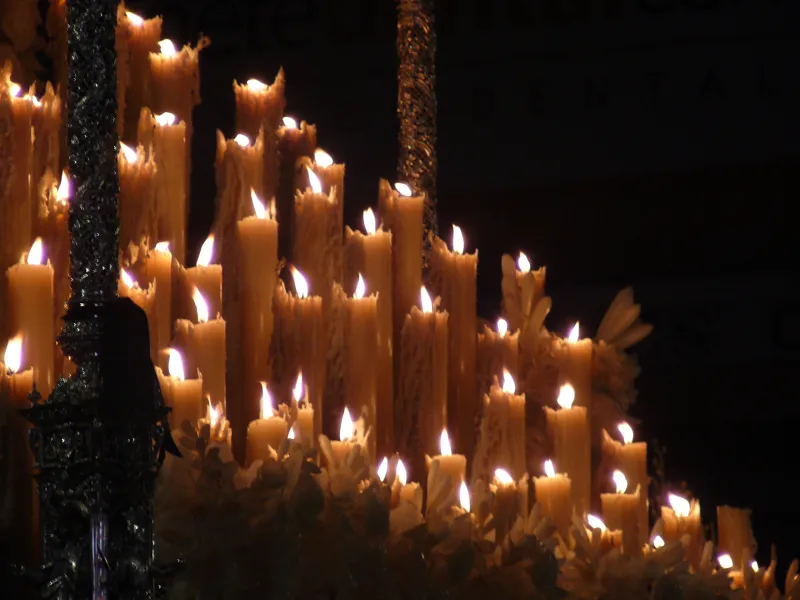
Basílica de la Macarena Guide
How to visit the Basílica de la Macarena in northern Seville: the beloved image of the Virgin of Hope, the on-site treasury museum, the Roman wall beside it, and the basilica's deep ties to Semana Santa.
Read guide
Best Free Things to Do in Seville
The best free things to do in Seville: grand plazas, shaded parks, riverside walks, beautiful churches, viewpoints, free-entry museum windows, and the heat-smart way to string them together without spending a euro.
Read guide
Best Museums in Seville
A decisive guide to Seville's museums: the golden-age paintings of Bellas Artes, the living art of the flamenco museum, contemporary work at the CAAC, ceramics in Triana and the palace-museums — compared by art, history, rain value and who each suits.
Read guide
Best Palaces in Seville
Seville is a city of palaces — royal, aristocratic and ecclesiastical. A decisive guide to the Real Alcázar, Casa de Pilatos, Palacio de las Dueñas and the lesser-known palace-homes: which to choose, how to combine them, and how to avoid palace fatigue.
Read guide
Best Photography Spots in Seville
The best places to photograph Seville and exactly when to shoot them: Plaza de España's tiled curves, Alcázar patios, the Giralda framed down narrow lanes, rooftops, river bridges and Santa Cruz patios — built into a golden-hour route around the heat.
Read guide