
Shopping in Seville
Where to shop in Seville for ceramics, hand-painted fans, Spanish fashion, food gifts and craft: the pedestrian streets of Centro, the workshops of Triana, the markets and the boutiques — plus how to shop tastefully and avoid the tourist tat.

Photo: Hanieh Hosseinlow / Unsplash
- ✓Centro is the main shopping district — the pedestrian streets of Calle Sierpes, Tetuán and Velázquez hold the fashion, fans, hats and department stores.
- ✓For craft, cross to Triana: hand-painted ceramics and azulejo tiles are the city's signature buy, made in workshops with centuries of heritage.
- ✓The best food gifts — olive oil, Iberian ham, sherry, orange-blossom sweets — come from markets and specialist shops, not airport stands.
- ✓Andalusia largely keeps the siesta: many independent shops close in the early afternoon and reopen into the evening, so plan around it.
- ✓Shop the workshops and markets over the souvenir kiosks, and a Seville purchase becomes something made here rather than mass-produced elsewhere.
How shopping works in Seville
Seville is a wonderful city to shop in precisely because so much of what is worth buying is still made nearby. Alongside the Spanish high-street brands and the one department store, you will find ceramicists, fan-makers, hatters, leatherworkers and food specialists carrying on trades that have defined the city for generations. The pleasure here is less about volume than about texture: a hand-painted bowl, a properly made fan, a tin of single-estate olive oil — small, characterful things that carry the place home with them.
A practical note shapes everything: the Andalusian day. Many independent shops keep the traditional split, opening in the morning, closing for the early-afternoon siesta, and reopening into the evening, often until 20:30 or later. Larger stores and chains tend to stay open straight through. Sundays are quiet for shopping outside special trading dates. Exact hours vary shop to shop and season to season, so treat opening times as something to confirm on the day, and plan your serious browsing for late morning or the cooler evening.

Centro: the main shopping district
The heart of Seville's shopping is the web of pedestrian streets in Centro, north of the Cathedral. Calle Sierpes is the famous one — a narrow, awning-shaded lane lined with traditional shops selling fans, mantillas, hats, religious goods and old-school Sevillano fashion, alongside modern stores. It runs roughly parallel to Calle Tetuán and Calle Velázquez, which lean more contemporary and high-street, and the three together form the city's main shopping spine, fanning out from Plaza Nueva and the Campana.
This is where you find the mix: Spanish chains, the El Corte Inglés department store for everything under one roof, and — tucked between them — the long-established specialists. Calle Cuna, just off Sierpes, is known for flamenco and occasion dressmakers and bridal houses. The whole district is compact and walkable, awning-covered against the sun, and easy to fold into a day that also takes in the Setas, the churches and a tapas stop. Browse here in the late morning, then again in the lively early evening when the streets fill.
Half the pleasure of Sierpes is that it is a window into how Seville dresses itself for its great occasions. The traditional shops here exist because the city still needs them: the fans and shawls and combs are not props but the working wardrobe of Semana Santa and the Feria de Abril, and a few of these establishments have been trading for generations. Even if you buy nothing, an unhurried wander past their windows — the lacquered fans laid out like butterflies, the hats stacked to the ceiling, the bolts of flamenco polka-dot fabric — is one of the more characterful free things to do in the centre.
- Calle Sierpes — the classic pedestrian street for fans, hats, mantillas and traditional Sevillano shops.
- Calle Tetuán & Calle Velázquez — the more contemporary, high-street parallel streets.
- Calle Cuna — flamenco dressmakers, occasion wear and bridal houses.
- El Corte Inglés (around Plaza del Duque) — the one-stop department store with fixed hours.
Triana: ceramics and craft
Cross the river to Triana and the shopping turns to craft. This neighbourhood is the historic home of Sevillano ceramics, and the streets near the Mercado de Triana and along Calle San Jorge and Calle Antillano Campos are dotted with workshops and shops selling hand-painted azulejo tiles, bowls, plates and the cobalt-and-saffron pottery that is the city's signature buy. Buying tiles or ceramics here, close to where they are made, means you are getting genuine local craft rather than imported lookalikes — ask whether a piece is hand-painted and locally produced.
The Centro Cerámica Triana, the neighbourhood's ceramics museum, sets the context and sits beside the working tradition, making a natural first stop before you shop. Triana also rewards a slower wander: the market for food, the river views, the flamenco heritage. A good plan is to combine a ceramics browse with the market and a Calle Betis riverside drink, so the shopping is part of an afternoon in the barrio rather than an errand. Heavy or fragile pieces can usually be packed for travel — ask the shop, and consider what your luggage will bear.
- Streets near Mercado de Triana and along Calle San Jorge / Antillano Campos for ceramics workshops and shops.
- Look for hand-painted, locally made azulejo tiles and pottery — ask the shop to confirm provenance.
- Start at the Centro Cerámica Triana for the heritage context before you buy.
- Pair the ceramics browse with the market and a riverside drink for a full Triana afternoon.
Markets and food shopping
Some of the most rewarding — and most edible — shopping in Seville happens in its markets. The Mercado de Triana, set in a handsome riverside building over old castle foundations, mixes produce stalls with food bars and is the easiest place to buy and taste at once: olives, cheeses, cured meats, spices. The historic-centre markets such as Mercado de la Encarnación, beneath the Setas, and the Feria market in the Macarena, do the same on a more local scale. Markets are morning affairs, busiest and best before lunch, and many wind down in the afternoon.
For food gifts to carry home, specialist shops are the move. Look for good Andalusian extra-virgin olive oil, Iberian ham (jamón ibérico — check import rules for your destination before buying to take abroad), sherry and vinegar from nearby Jerez, saffron, smoked paprika, turrón and the convent-made sweets and orange-blossom confections that are a Seville specialty. These keep, travel well and taste of the region. Prices vary widely by quality, so buy from a shop that lets you taste or explains what you are getting rather than the first kiosk by a monument.
- Mercado de Triana — produce, food bars and tasting-as-you-shop, in a riverside setting.
- Mercado de la Encarnación (under the Setas) and the Feria market — more local, morning markets.
- Food gifts that travel: olive oil, sherry, saffron, paprika, turrón and convent sweets.
- Jamón ibérico is a classic buy — check your destination's import rules before taking it abroad.

Fashion, fans, flamenco and leather
Beyond ceramics and food, Seville has its own style worth shopping. The hand-painted fan (abanico) is the classic — a beautiful, useful, packable buy, and the difference between a craft-made fan from a Sierpes specialist and a plastic souvenir one is enormous. The same goes for the mantilla and peineta (the lace veil and comb), the wide-brimmed Cordobés hats from traditional hatters, and the elaborate flamenco dresses and accessories you will see in the Calle Cuna ateliers, made for the city's Feria de Abril each spring.
Spain is also strong on leather, and you will find well-made shoes, belts and bags in the Centro shops and boutiques, often at prices that compare favourably with home. For contemporary Spanish fashion, the Sierpes–Tetuán–Velázquez streets carry the national brands. The boutiques scattered through Centro and around the Alfalfa quarter lean more independent and design-led. As ever, the more characterful purchases come from the specialists and ateliers rather than the chains — and they are what you will actually remember buying in Seville.
If your taste runs to one-off and design-led pieces, point yourself away from the main retail spine. The lanes around the Alfalfa and Encarnación quarters, and pockets of Triana, hide small independent studios — jewellers, print-makers, leatherworkers, concept stores — where the stock is made in limited runs and the person behind the counter is often the person who made it. These are the shops that reward curiosity over a shopping list, and a slow weave through them, drink in hand between stops, is shopping the way the city does it best: unhurried, conversational and a little serendipitous.
- Hand-painted fans (abanicos) from Sierpes specialists — packable, useful and properly made.
- Mantillas, peinetas and Cordobés hats from traditional shops for a real Sevillano keepsake.
- Flamenco dresses and accessories in the Calle Cuna ateliers (made for the Feria de Abril).
- Spanish leather — shoes, belts and bags — and contemporary fashion on the main Centro streets.
Practical notes: hours, VAT and bringing it home
A little practical knowledge makes Seville shopping smoother. The siesta split is the main thing to plan around — independent shops often close roughly 14:00–17:00 and reopen into the evening, while department stores and chains stay open through. Card payment is widely accepted, though small craft stalls may prefer cash, and a little cash is handy at markets. If you are visiting from outside the EU, you may be able to reclaim VAT on larger purchases through the tax-free shopping scheme; ask the shop for the paperwork and process the refund at the airport, and check the current minimum-spend threshold, as the rules and amounts change.
Think, too, about what you can carry. Ceramics and tiles are the heaviest and most fragile buys — ask the shop to pack them well, and consider whether they go in the hold or the hand luggage. Olive oil and other liquids over the cabin limit must travel in checked baggage. Fans, textiles, sweets and small leather goods are the easy, light, plane-friendly buys. None of these specifics should put you off; they simply turn a good Seville purchase into one that actually makes it home in one piece.
- Siesta split: many independents close ~14:00–17:00 and reopen into the evening; chains stay open through.
- Cards are widely accepted; carry some cash for markets and small craft stalls.
- Non-EU visitors can often reclaim VAT on larger buys — ask for the form, refund at the airport, verify the threshold.
- Pack carefully: ceramics need protecting, oil and liquids go in checked luggage, fans and textiles travel easily.
At a glance
A quick reference for a Seville shopping day. The constant is the split between Centro for fashion and Triana for craft; the variable is opening hours, which follow the Andalusian clock and must be checked on the day.
- Where: Centro (Sierpes/Tetuán/Velázquez) for fashion, fans and department stores; Triana for ceramics and craft.
- Markets: Mercado de Triana and Mercado de la Encarnación for food, mornings best.
- Signature buys: hand-painted ceramics and tiles, a craft fan, olive oil, sherry, convent sweets.
- Hours: many independents keep the siesta split; chains open through; Sundays quiet.
- Bring it home: pack ceramics well, liquids in checked bags; non-EU visitors can reclaim VAT (verify the rules).
- Shop the workshops and markets over the kiosks for the real, locally made thing.

What to Buy in Seville
The Seville souvenirs actually worth bringing home: hand-painted ceramics and azulejo tiles, a proper fan, Andalusian olive oil, orange-blossom sweets, sherry, leather and flamenco details — what each is, why it's special, and where to buy it well.
Read guide
Triana Ceramics Center Guide
How to visit the Centro Cerámica Triana: the museum on the site of Triana's historic potteries, with excavated kilns, the story of Seville's tile-making, workshops and shops nearby, and how to weave ceramics into a Triana food-and-river walk.
Read guide
Centro Seville Guide
Centro is Seville's practical, well-priced heart: shopping streets, cafés, churches and the Setas, all walkable to the cathedral. A value-focused central base away from the worst of the Santa Cruz crush.
Read guideMore in Things to Do
6
Archivo de Indias Guide
Why the Archivo General de Indias belongs on your Seville list: what's inside the great archive of the Spanish Americas, the Renaissance building it lives in, how free entry works, and how to slot it between the Cathedral and the Alcázar.
Read guide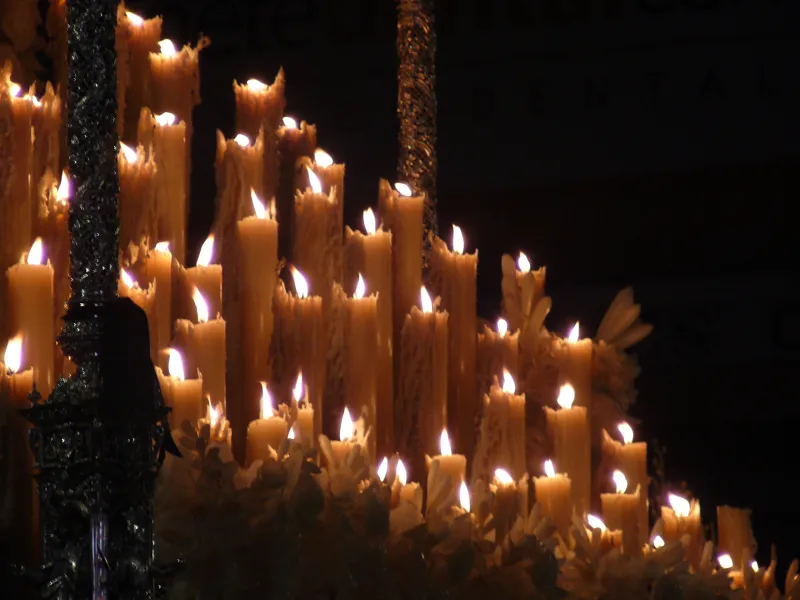
Basílica de la Macarena Guide
How to visit the Basílica de la Macarena in northern Seville: the beloved image of the Virgin of Hope, the on-site treasury museum, the Roman wall beside it, and the basilica's deep ties to Semana Santa.
Read guide
Best Free Things to Do in Seville
The best free things to do in Seville: grand plazas, shaded parks, riverside walks, beautiful churches, viewpoints, free-entry museum windows, and the heat-smart way to string them together without spending a euro.
Read guide
Best Museums in Seville
A decisive guide to Seville's museums: the golden-age paintings of Bellas Artes, the living art of the flamenco museum, contemporary work at the CAAC, ceramics in Triana and the palace-museums — compared by art, history, rain value and who each suits.
Read guide
Best Palaces in Seville
Seville is a city of palaces — royal, aristocratic and ecclesiastical. A decisive guide to the Real Alcázar, Casa de Pilatos, Palacio de las Dueñas and the lesser-known palace-homes: which to choose, how to combine them, and how to avoid palace fatigue.
Read guide
Best Photography Spots in Seville
The best places to photograph Seville and exactly when to shoot them: Plaza de España's tiled curves, Alcázar patios, the Giralda framed down narrow lanes, rooftops, river bridges and Santa Cruz patios — built into a golden-hour route around the heat.
Read guide