
Jerez Day Trip from Seville
How to plan a food-and-wine day in Jerez de la Frontera from Seville: touring the sherry bodegas and tasting at the source, the dancing horses and flamenco roots, the easy rail logistics, and how to shape a relaxed day around lunch.

- ✓Jerez de la Frontera is the capital of the sherry trade — the natural day trip for a bodega tour and tasting at the source.
- ✓It's an easy, comfortable train ride from Seville, with frequent regional services that make a self-guided day simple.
- ✓Beyond wine, Jerez is famous for its dancing Andalusian horses and is one of the cradles of flamenco — a rich, layered town to wander.
- ✓Build the day around a bodega tour and a long Andalusian lunch rather than racing between sights — it's a slow, sensory escape.
- ✓The historic centre is compact and handsome: the alcázar, the cathedral and tiled plazas are all within an easy stroll.
- ✓Bodega tour times, horse-show schedules and train timetables change — book tours ahead and verify the latest details before you go.
Why Jerez makes a perfect food-and-wine day
If Seville teaches you to love sherry over a cold copa at a tapas bar, Jerez de la Frontera is where you go to understand it. This is the capital of the sherry trade — the 'J' that gives the wine its English name — a handsome Andalusian town an easy train ride south of Seville, built around the great bodegas where vino de Jerez is aged and shipped around the world. Touring one of those cellars, walking the rows of chalk-marked casks in the cool dim and tasting the styles in order from bone-dry fino to syrupy Pedro Ximénez, is one of the most rewarding things you can do from Seville. It turns a pleasant drink into a place, a craft and a story.
But Jerez is more than wine. It is also the home of the famous dancing Andalusian horses and one of the deepest wells of flamenco in all of Spain, with a gitano heritage that runs through its barrios. The historic centre — an alcázar, a fine cathedral, orange-tree plazas and tiled façades — is compact and walkable, and the pace is gentler than Seville's. It adds up to a layered, sensory day out: a cellar in the morning, a long lunch, a wander through the old town, and perhaps horses or flamenco to finish. The trick is not to over-schedule it.
At a glance
A quick-reference card before the detail — what Jerez offers, how to reach it, and how to shape the day.
- Location: Jerez de la Frontera, south of Seville on the way to Cádiz.
- Best for: sherry-tasting at the source, a long lunch, dancing horses, flamenco roots, a slow town.
- How to get there: a comfortable, frequent regional train from Seville — ideal for a self-guided day.
- Time needed: a full, relaxed day, though a half-day bodega-and-lunch trip works too.
- Don't miss: a bodega tour and tasting, the old town and alcázar, and — if scheduled — the horses or flamenco.
- Book ahead: many bodega tours and the horse show run on set schedules and can sell out.
- Verify before you go: train times, bodega tour slots and show schedules all change seasonally.
Getting there: the easy train
Jerez is one of the simplest day trips to organise from Seville because the train does all the work. Frequent regional services run south from the city toward Cádiz, with Jerez a comfortable, scenic ride down the line — no winding mountain roads, no sparse timetable to wrestle with. The station sits within walking distance of the old town and several of the central bodegas, so you can step off the train and be tasting sherry or strolling the plazas in minutes. For a relaxed, independent, no-car day out, it's hard to beat.
That ease is exactly why Jerez suits a self-guided trip. You can pick your own departure, slot in a booked bodega tour, take a long lunch and a wander, and catch a later train home with plenty of margin. If you'd rather hand over the logistics, organised tours from Seville include Jerez — sometimes paired with Cádiz or the wider sherry triangle — and bundle the bodega visit and transport together. Either way, confirm the current train timetable and any tour details before you travel, since services and schedules shift through the year. Crucially, if you plan to tour a specific bodega or catch the horse show, book those ahead rather than turning up on spec.
- Frequent, comfortable regional trains run from Seville toward Cádiz, stopping at Jerez.
- The station is a short walk from the old town and several central bodegas.
- Ideal for a self-guided day: pick your train, book a tour, take a long lunch, head back at leisure.
- Book bodega tours and the horse show ahead, and verify train times before you go.
Touring the sherry bodegas
The bodega tour is the centrepiece, and it is worth doing properly. Jerez is home to a roll-call of historic sherry houses, their cellars built tall and cool like cathedrals, with rows of dark casks stacked in the solera system that blends old wine with new over years. A good tour walks you through how sherry is made — the bone-dry base wine, the living veil of flor that protects the pale styles, the long oxidative ageing that turns others amber — and ends with a guided tasting that lets you feel the line from crisp fino through nutty amontillado and oloroso to the dark, raisiny sweetness of Pedro Ximénez. Tasted in sequence at the source, the styles finally fall into place.
A few practical notes make the visit better. Many bodegas run tours in several languages at set times, and the best can fill up, so reserve ahead and pick your slot rather than chancing it. One or two cellars done well is far more enjoyable than a forced march through several — sherry is wine-strength, and a thoughtful tasting with something to eat alongside beats a rushed flight on an empty stomach. If you've read up on the styles before you arrive, the whole experience lands deeper. Because tour times, languages and tasting menus vary by producer and season, confirm the specifics with the bodega before you build your day around them.
- Jerez's historic bodegas are the reason to come — cathedral-like cellars and the solera system.
- A good tour explains the making and ends with a guided dry-to-sweet tasting.
- Reserve a tour slot ahead; the best bodegas can sell out, especially in season.
- One or two cellars done well beats a rushed crawl — and eat something alongside the wine.
Horses, flamenco and the old town
Jerez gives you two more cultural pillars beyond the wine. The town is world-famous for its dancing Andalusian horses, and there are scheduled equestrian shows that pair classic dressage with music and traditional costume into something genuinely balletic — a highlight if the timing lines up with your visit. Jerez is also one of the great cradles of flamenco, with a living tradition rooted in its gitano neighbourhoods; you'll find peñas and venues where the music feels closer to its source than in many tourist-facing shows. Both are reasons some travellers plan their day around a specific event rather than the bodegas.
In between, the old town rewards an unhurried wander. The Alcázar de Jerez, a Moorish fortress with gardens and a mosque-turned-chapel, the cathedral with its imposing façade, and a scatter of orange-tree plazas and tiled streets give the centre real character, all within an easy stroll of one another and the station. It is calmer and less crowded than Seville, which is part of its charm. Stitch it together gently — a bodega in the morning, lunch, the old town in the afternoon, and a show to finish if one is scheduled — and check the timetables for the horses and any flamenco in advance, since these run on set dates that change through the year.
- Jerez's dancing Andalusian horses perform in scheduled shows — a highlight if timing aligns.
- The town is a deep root of flamenco; peñas offer the music close to its source.
- The compact old town — alcázar, cathedral, tiled plazas — is calmer than Seville and easy to walk.
- Plan around the horse-show and flamenco schedules, which run on set dates — verify in advance.

Shaping a relaxed day around lunch
Jerez is a day to slow down. The most satisfying plan is built around the table, not a checklist: a morning bodega tour while the air is cool, then a long, leisurely Andalusian lunch — the local cooking leans on seafood, sherry-braised dishes and good ham, and a cold copa from the very houses you toured tastes that much better with the food in front of you. Eat the way the south does, unhurried and a little late, and let the afternoon find its own shape afterward. This is precisely the kind of day Jerez is made for, and rushing it defeats the point.
After lunch, drift through the old town, see the alcázar or cathedral, and slot in the horse show or a flamenco visit if the schedule cooperates. Because the train makes the return so easy, you can stay into the early evening without anxiety and still be back in Seville for a late night out. Keep the plan loose: one cellar, one good meal, one or two cultural high points is a fuller, happier day than four boxes ticked. As ever, confirm the volatile details — train times, tour slots, show schedules and restaurant booking where needed — before you go, since all of these change with the season.
- Build the day around a morning bodega tour and a long, late Andalusian lunch.
- Local food — seafood, sherry-braised dishes, ham — sings alongside a copa from the source.
- Drift through the old town after lunch; add horses or flamenco if scheduled.
- The easy train lets you linger into the evening — keep the plan loose and verify times.
Pairing Jerez with Cádiz or the sherry triangle
Jerez sits on the line that continues south to Cádiz, which opens up some tempting combinations. If you're a confident, early-rising traveller, it's possible to fold Jerez and Cádiz into a single ambitious day — a morning bodega tour in Jerez, then the train onward to the Atlantic city for the afternoon and an evening by the sea. It makes for a long day and asks you to keep moving, so it's not for everyone, but the rail line makes the logistics genuinely workable. The alternative, and the gentler one, is to give Jerez the whole day it deserves and save Cádiz for another trip — the town has more than enough to fill the hours without rushing.
Wine lovers can instead think in terms of the sherry triangle — the trio of towns that produce the wine: Jerez de la Frontera, Sanlúcar de Barrameda out where the Guadalquivir meets the Atlantic, and El Puerto de Santa María on the bay. Sanlúcar is the home of manzanilla and pairs a tasting with famous fresh seafood by the water; El Puerto has bodegas of its own and a relaxed maritime feel. Touring more than one in a day usually needs a car or an organised tour, and it's easy to over-reach — one or two towns done well, with a proper tasting and a long lunch, beats a forced march around all three. Whatever combination tempts you, confirm the current train and tour connections before you build the plan, since timetables shift through the year.
- Jerez sits on the Cádiz line — confident travellers can fold both into one long day.
- The gentler choice is to give Jerez the whole day and save Cádiz for another trip.
- The sherry triangle adds Sanlúcar (manzanilla and seafood) and El Puerto de Santa María.
- Touring more than one sherry town usually needs a car or tour — don't over-reach; verify connections.

Wine & Sherry in Seville
What to actually drink in Seville: where sherry fits and why it pairs so well with tapas, the styles from bone-dry fino to sweet Pedro Ximénez, the wine bars and bodegas worth your evening, how a tasting works, and the easy day trip to the sherry towns that make it.
Read guide
Best Day Tours from Seville
When a guided day tour beats doing it yourself — and which ones are genuinely worth it. A comparison of organised day trips from Seville to Córdoba, Ronda and the white villages, Cádiz, Jerez, Itálica and Doñana, by who they suit, what they solve and when you're better off taking the train alone.
Read guide
Cádiz Day Trip from Seville
How to do Cádiz from Seville: a relaxed train to one of Europe's oldest cities, with a sea-wrapped old town, golden cathedral, fresh seafood and city beaches — plus the timing, the weather watch and when Cádiz beats another inland culture day.
Read guideMore in Day Trips
6
Best Beaches Near Seville
Seville has no beach of its own, but the Atlantic is closer than you think. A practical guide to the best beaches within reach — Cádiz, the Costa de la Luz, Huelva, Matalascañas and the Doñana coast — with how to get there by train, bus or car, when to go, and how to turn a hot Seville day into a sea breeze.
Read guide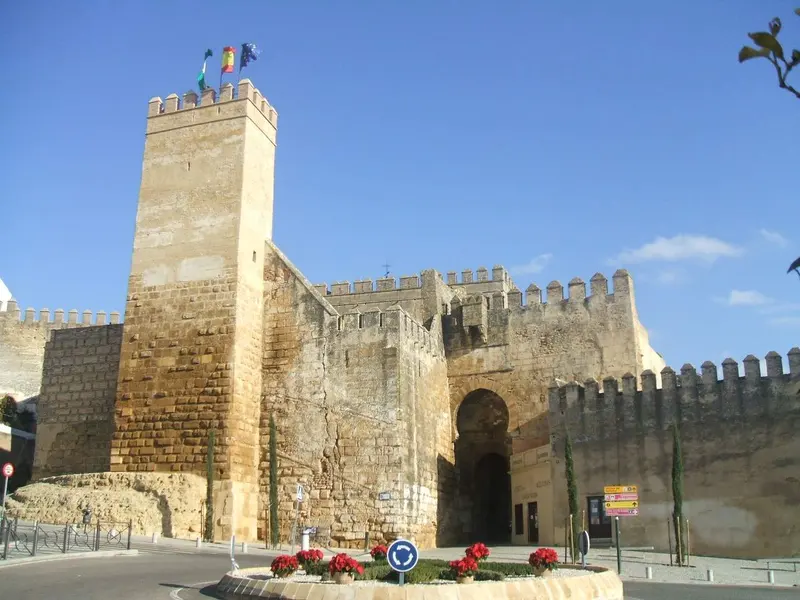
Carmona Day Trip from Seville
How to do Carmona from Seville: the Roman gates and necropolis, the clifftop viewpoints over the Vega, a parador lunch with a view, bus timing, and why this hilltop town makes one of the easiest small-town escapes from the city.
Read guide
Córdoba Day Trip from Seville
How to do Córdoba from Seville: the fast high-speed train versus a tour, booking the Mezquita-Catedral, a relaxed route through the Judería, patios and Roman bridge, and the heat-and-timing tradeoffs that make or break the day.
Read guideCórdoba or Cádiz from Seville?
Both Córdoba and Cádiz are easy, train-friendly day trips from Seville — but they're completely different days out. A clear-headed comparison by travel time, season, heat, food, scenery and the kind of traveller you are, so you can pick the right one (or sequence both).
Read guide
Doñana Day Trip from Seville
Whether Doñana works as a day trip from Seville: the wetlands and wildlife you'll actually see, the seasons that matter, why you can't drive into the park yourself, and how to build a realistic day around an official 4x4 tour.
Read guide
Gibraltar Day Trip from Seville
Whether Gibraltar is worth the long day from Seville: the distance and border reality, the passport and currency quirks of crossing into British territory, what the Rock and its apes actually deliver, and how a tour compares with going it alone.
Read guide