
Carmona Day Trip from Seville
How to do Carmona from Seville: the Roman gates and necropolis, the clifftop viewpoints over the Vega, a parador lunch with a view, bus timing, and why this hilltop town makes one of the easiest small-town escapes from the city.
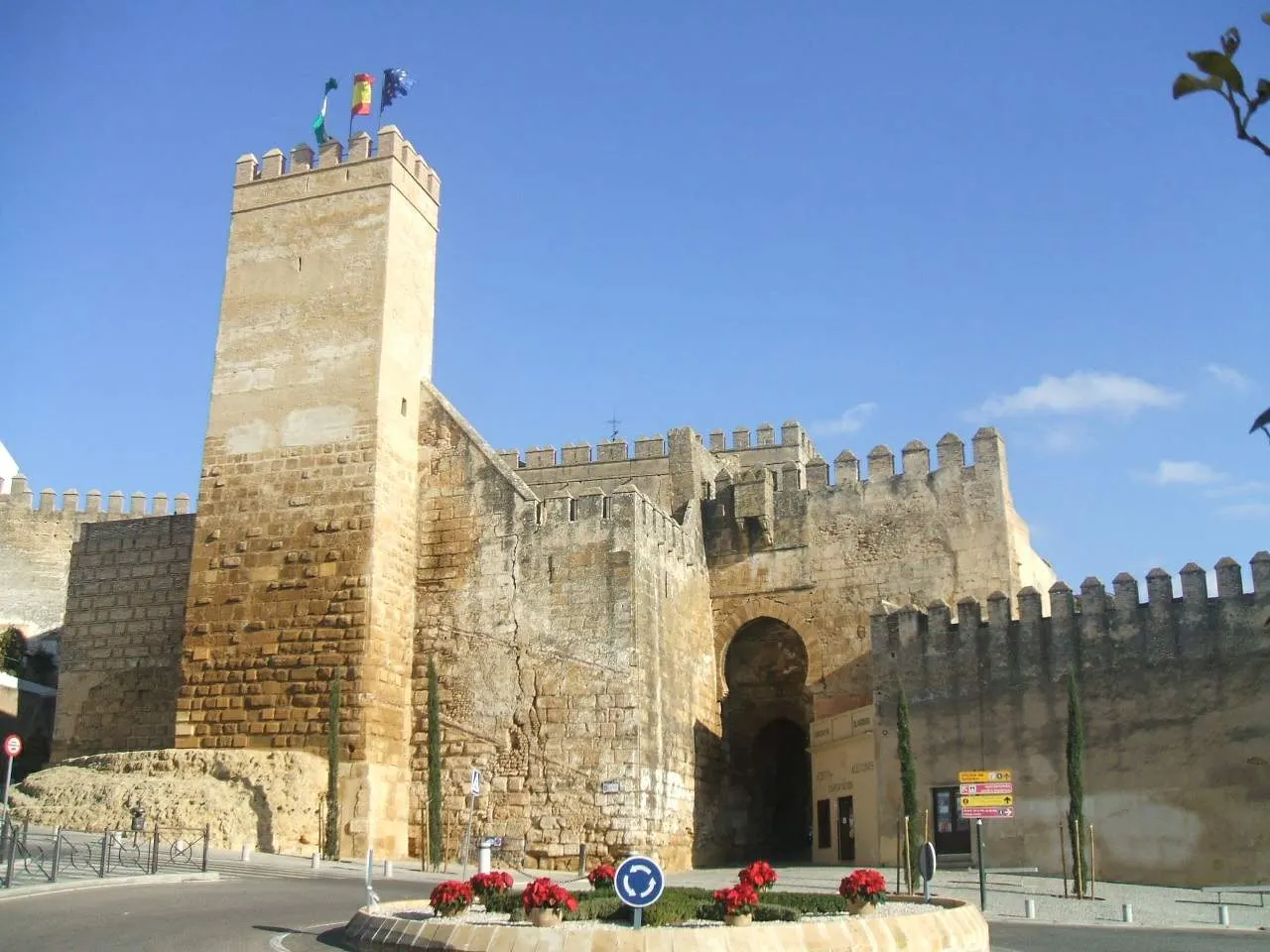
Photo: Zarateman / Wikimedia Commons · CC0
- ✓Carmona is a hilltop town just east of Seville — close, easy and reachable by a short bus ride for a relaxed half- or full-day.
- ✓Its layers run deep: monumental Roman gates, a remarkable Roman necropolis, Moorish walls and an alcázar, all in one compact old town.
- ✓The clifftop position gives sweeping viewpoints over the Vega plain — and a parador (state-run hotel) lunch with one of the best views around.
- ✓It's a gentler, less-touristed alternative to the big day trips: history and atmosphere without the crowds or the long haul.
- ✓The historic centre is small and walkable, ideal for an unhurried wander between gates, churches and miradors.
- ✓Bus times, monument hours and the necropolis schedule change — verify the latest details before you go.
An easy hilltop escape
Some day trips from Seville are expeditions; Carmona is a gentle outing. This handsome town crowns a low ridge just east of the city, close enough for a short bus ride and small enough to see without rushing. What makes it special is the depth of its history packed into a compact, walkable old town: monumental Roman gates that still frame the streets, a striking Roman necropolis on the edge of town, Moorish walls and an alcázar, fine churches and a scatter of clifftop viewpoints looking out over the wide farmland of the Vega. It is layered, atmospheric and unhurried — Andalusia at a quieter volume.
Carmona's great virtue is ease. It is far less touristed than Córdoba or Ronda, so you wander it among locals rather than tour groups, and the short journey means you don't have to surrender a whole day to travel. You can spend a leisurely half-day among the gates, churches and miradors, top it with a long lunch and a view, and be back in Seville by mid-afternoon — or stretch it to a full, slow day if the mood takes you. For travellers who want real history and a sense of place without the crowds or the logistics, it is one of the smartest, most underrated choices from the city.
At a glance
A quick-reference card before the detail — what Carmona offers, how to reach it, and how to shape the visit.
- Location: a hilltop town just east of Seville — one of the city's closest escapes.
- Best for: Roman and Moorish history, viewpoints, a parador lunch, a calm small-town wander.
- How to get there: a short regional bus from Seville; a car gives the most flexibility.
- Time needed: a relaxed half-day is plenty, easily stretched to a full day with a long lunch.
- Don't miss: the Puerta de Sevilla, the Roman necropolis, the alcázar viewpoints and a parador lunch.
- Quieter than the big trips: far fewer tourists than Córdoba or Ronda.
- Verify before you go: bus times, monument hours and the necropolis schedule all change.
Getting there by bus
Carmona is one of the most painless day trips to reach from Seville. Regional buses run east to the town on a short, straightforward route, dropping you near the historic centre, and because the journey is brief you keep most of the day for the town itself. There's no need for an early alarm or a tight return connection — the frequency and the short ride make it a low-stress, independent outing. For travellers without a car who still want to get out of the city, Carmona is exactly the kind of trip that public transport handles well.
A hire car adds flexibility if you'd like to pair Carmona with other stops or come and go on your own schedule, but it isn't necessary — the bus does the job. Organised tours that include Carmona exist but are less common than for the marquee destinations, since the town is so easy to visit independently. The one thing to nail down is the timetable: confirm current bus times and the last return service before you set off, and check the opening hours of the necropolis and any monuments you mean to enter, since these change with the season and aren't always generous.
- Short, frequent regional buses run from Seville to Carmona, near the old town.
- The brief ride means no early start and a relaxed return — ideal without a car.
- A hire car adds flexibility but isn't needed; guided tours are less common here.
- Verify bus times, the last return, and monument and necropolis hours before you go.
Roman gates, the necropolis and the old town
Carmona wears its history on the surface. The grand Puerta de Sevilla — a fortified gateway layering Roman, Moorish and later stonework — still guards the western approach and sets the tone for the whole town; the Puerta de Córdoba does the same on the eastern side. Between them runs a tight, atmospheric old town of white houses, mansions, convents and churches, easy to lose an hour or two in on foot. The streets are quiet, the doorways are old, and the sense of accumulated centuries is everywhere — this was an important Roman town long before it was a Moorish stronghold.
The single most distinctive sight is the Roman necropolis on the edge of town: an excavated burial ground where you can descend into family tombs cut into the rock, some surprisingly elaborate, with chambers and carved detail that bring the Roman dead startlingly close. It's an unusual, slightly haunting site and one of the best-preserved of its kind in Spain — and a strong reason to choose Carmona over a more obvious destination. Pair it with the alcázar, the churches and the gates, and you have a compact but genuinely rich half-day of history. Check the necropolis opening hours before you go, as they vary by season and can be limited.
- The Puerta de Sevilla and Puerta de Córdoba are monumental gates layering Roman and Moorish work.
- The old town is a quiet, atmospheric tangle of white streets, mansions and churches.
- The Roman necropolis — rock-cut family tombs you can enter — is the standout, unusual sight.
- Add the alcázar and churches for a compact but rich half-day; verify necropolis hours first.

Viewpoints and a parador lunch
Carmona's ridge-top position is its quiet superpower. From the eastern edge of the old town, by the alcázar, the land falls away to reveal the Vega de Carmona — a vast plain of farmland rolling toward the horizon — and the viewpoints here are sweeping, peaceful and largely crowd-free. It's the kind of place to simply stand for a while, especially in the softer light of late afternoon, and it gives the whole visit a romantic, expansive feel that the closer-in towns can't always match. Couples and photographers tend to linger.
The best way to enjoy that view is over lunch at the parador. Spain's paradores are state-run hotels often set in historic buildings, and Carmona's occupies a commanding spot on the alcázar heights with a terrace and dining room overlooking the plain. You don't need to be a guest to eat there, and a long, unhurried Andalusian lunch with that panorama in front of you is one of the loveliest things you can do on a day out from Seville — well worth building the trip around. It's a touch more polished than a village bar, but the setting earns it. As with any restaurant, it's wise to check current details and book ahead in busy periods.
- The alcázar-side viewpoints sweep over the Vega plain — peaceful, romantic and crowd-free.
- Late-afternoon light makes the miradors especially worth the wait.
- Carmona's parador, set on the heights, offers a panoramic terrace lunch open to non-guests.
- A long lunch with that view is reason enough to come — book ahead in busy periods.
Why Carmona over the bigger trips
Carmona's case is simple: it gives you real depth — Roman, Moorish and Spanish history, sweeping views and a memorable lunch — with almost none of the friction of the marquee day trips. There's no two-hour haul, no scramble for timed monument tickets, no tour-group crush. If you've already done Seville's headline sights and want a calm, low-effort half-day with genuine substance, or you simply prefer your travel quiet and uncrowded, Carmona is a near-perfect fit. It pairs naturally with another small-town escape like Osuna for travellers collecting the region's quieter corners.
Be clear-eyed about what it isn't, though. Carmona doesn't have a single world-famous showpiece on the scale of Córdoba's Mezquita or Ronda's gorge; its pleasure is cumulative and atmospheric rather than jaw-dropping. If you have only one day in the region and want the big, unforgettable monument, look elsewhere. But if you value ease, quiet and a sense of place — and a terrace lunch over the plain sounds like your idea of a good day — Carmona repays the short journey many times over. As always, confirm the volatile details before you go, since bus times and opening hours shift through the year.
- Choose Carmona for depth without the friction — no long haul, timed tickets or crowds.
- Ideal as a calm second-tier trip once you've done Seville's headline sights.
- Pairs naturally with Osuna for travellers collecting the quieter towns.
- It lacks one single world-famous showpiece — for that, choose Córdoba or Ronda instead.
Best time to go and practical tips
Carmona is a year-round pleasure, but the season shapes the day. Spring and autumn are ideal — warm, clear light on the stone, comfortable wandering and the viewpoints at their best — while a mild winter morning is perfectly pleasant for an open-air town like this. High summer is the only real challenge: the hilltop catches the sun, the old streets offer some shade but the miradors are exposed, and the early afternoon can be fierce. As in Seville itself, the answer is to sightsee in the cooler hours, take a long midday lunch indoors or on a shaded terrace, and re-emerge as the heat eases. The parador's dining room is a fine place to wait out the worst of it.
A few small practicalities smooth the visit. Wear comfortable shoes for the cobbled, gently inclined streets, and carry water and sun cover from late spring through autumn. Cash is handy for smaller bars and the occasional monument, though cards are widely taken. Because Carmona is compact, you don't need a detailed plan — the gates, the necropolis, the alcázar viewpoints and a good lunch form a natural circuit you can walk at leisure. The one detail worth nailing down is the timetable home: note the last useful bus back to Seville so a long lunch doesn't strand you, and confirm the opening hours of the necropolis and any monuments before you go, since these vary by season and can be short.
- Spring and autumn are ideal; a mild winter morning works well; high summer needs heat discipline.
- Sightsee in the cool hours and take a long midday lunch — the parador is a fine heat refuge.
- Wear comfortable shoes for cobbled, inclined streets; carry water and sun cover in the warm months.
- Note the last bus back to Seville, and verify necropolis and monument hours before you go.
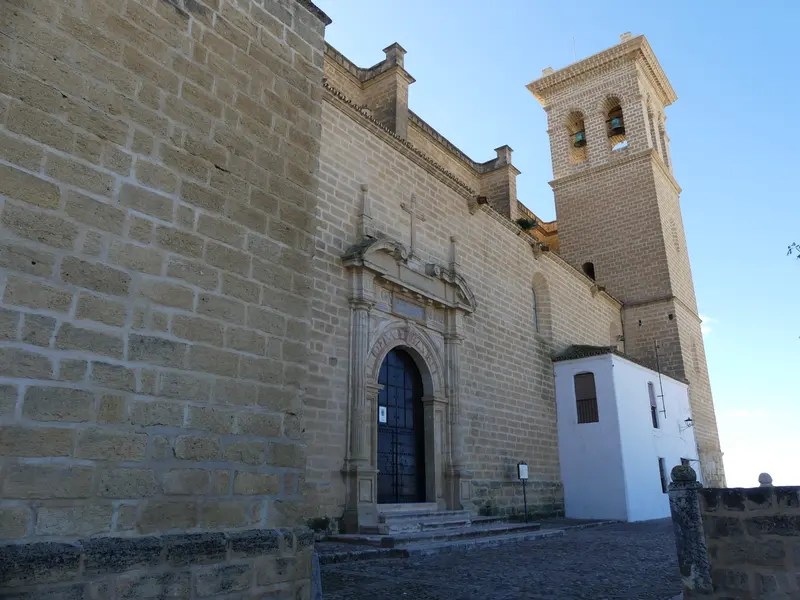
Osuna Day Trip from Seville
How to do Osuna from Seville: the Baroque streets and noble palaces, the hilltop collegiate church and university, the Game of Thrones bullring connection, train planning, and the unhurried pacing that suits this quiet inland town.
Read guide
Seville Hidden Gems Worth Your Time
Beyond the Alcázar and the Cathedral: Seville's quieter palaces, small museums, tiled corners, local neighbourhoods and underused walking routes — the places that make the city feel like a discovery rather than a checklist.
Read guide
Best Day Trips from Seville
Seville is the best base in Andalusia for day trips — Córdoba's mosque-cathedral, Cádiz on the Atlantic, Ronda's gorge, Jerez sherry, the Roman ruins of Itálica and the white villages — compared by travel time, effort, season and who each one suits.
Read guideMore in Day Trips
6
Best Beaches Near Seville
Seville has no beach of its own, but the Atlantic is closer than you think. A practical guide to the best beaches within reach — Cádiz, the Costa de la Luz, Huelva, Matalascañas and the Doñana coast — with how to get there by train, bus or car, when to go, and how to turn a hot Seville day into a sea breeze.
Read guide
Best Day Tours from Seville
When a guided day tour beats doing it yourself — and which ones are genuinely worth it. A comparison of organised day trips from Seville to Córdoba, Ronda and the white villages, Cádiz, Jerez, Itálica and Doñana, by who they suit, what they solve and when you're better off taking the train alone.
Read guide
Cádiz Day Trip from Seville
How to do Cádiz from Seville: a relaxed train to one of Europe's oldest cities, with a sea-wrapped old town, golden cathedral, fresh seafood and city beaches — plus the timing, the weather watch and when Cádiz beats another inland culture day.
Read guide
Córdoba Day Trip from Seville
How to do Córdoba from Seville: the fast high-speed train versus a tour, booking the Mezquita-Catedral, a relaxed route through the Judería, patios and Roman bridge, and the heat-and-timing tradeoffs that make or break the day.
Read guide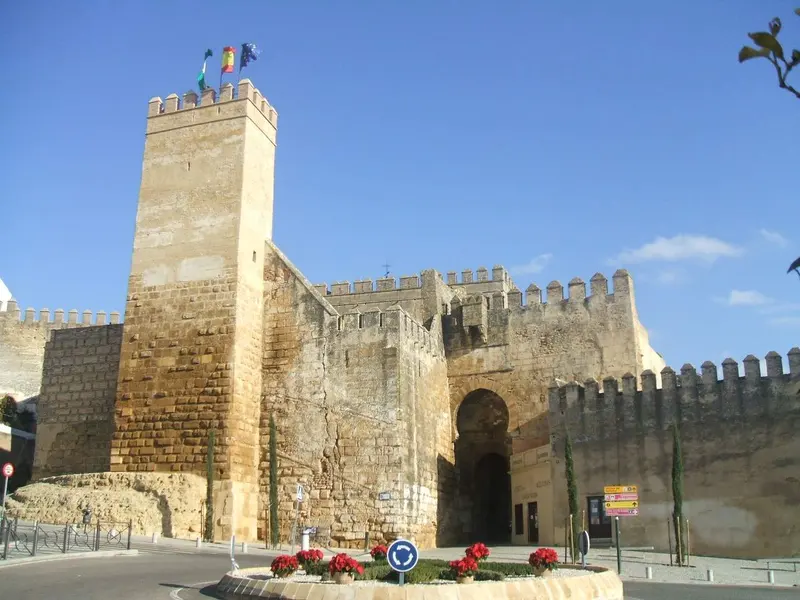
Córdoba or Cádiz from Seville?
Both Córdoba and Cádiz are easy, train-friendly day trips from Seville — but they're completely different days out. A clear-headed comparison by travel time, season, heat, food, scenery and the kind of traveller you are, so you can pick the right one (or sequence both).
Read guide
Doñana Day Trip from Seville
Whether Doñana works as a day trip from Seville: the wetlands and wildlife you'll actually see, the seasons that matter, why you can't drive into the park yourself, and how to build a realistic day around an official 4x4 tour.
Read guide