
Heat-Smart Summer Seville Itinerary
How to actually enjoy Seville in summer: a day built around early starts, a long midday break, pools and shade in the worst hours, and the long warm evenings the city was made for — with a sample three-day plan.

Photo: Alex Robertson / Unsplash
- ✓Seville is one of the hottest cities in Europe in July and August — afternoon highs in the mid-to-high thirties Celsius are normal, and heatwaves push higher. Plan around the heat and the city is glorious; fight it and you will be miserable.
- ✓The rhythm of a summer day: monuments and walking before noon, a real break through roughly 14:00–18:00, then the city again from early evening until very late.
- ✓Book the Real Alcázar and the Cathedral for the first slot of the day, online, before you travel — the early morning is the single most valuable hour in summer.
- ✓A pool or a genuinely cool bolt-hole is not a luxury in July; treat it as part of the itinerary, not an extra.
- ✓Evenings are the reward: floodlit monuments, riverside walks, late tapas and rooftop drinks under a sky that stays warm past midnight.
First, decide whether summer is your season
Let us be honest before we plan a single day: Seville in high summer is hot in a way that surprises people who have only read the average temperatures. The city sits in the Guadalquivir valley, a basin that traps heat, and in July and August daytime highs commonly reach the mid-to-high thirties Celsius, with the occasional heatwave climbing well beyond that. The stone soaks up the sun and gives it back into the night. This is not a reason to stay away — Seville in summer has its own deep pleasures, and prices and crowds can soften compared with the spring peak — but it is a reason to plan completely differently from how you would plan a city break anywhere cooler.
The good news is that this is an entirely solvable problem, and the solution is not endurance but rhythm. Sevillanos have organised life around the summer heat for centuries, and once you adopt their rhythm — out early, in for the worst of the afternoon, out again for a long warm evening — the season turns from an obstacle into an atmosphere. The orange trees, the tiled patios kept cool with running water, the granizados, the river breeze at dusk, the streets that come alive at ten at night: this is summer Seville, and it is wonderful if you let it set your pace. Always check the AEMET forecast close to your dates, and take any heat warning seriously rather than pushing through it.
At a glance: the shape of a summer day
Every day of a summer trip follows the same three-act rhythm. Memorise this shape and you can improvise the details — it is the engine that makes the whole itinerary work. Treat the times as a rhythm, not a timetable, and shift everything earlier during a heatwave.
- Before the trip: book the Alcázar and the Cathedral online for the first slots of the day; confirm hours and prices on the official sites.
- Early morning (roughly opening to noon): the ticketed monuments and any serious walking, while the streets are still in shade and the air is bearable.
- Midday and early afternoon (roughly 14:00–18:00): a real break — a long lunch, the hotel pool, a siesta, a cool museum or an air-conditioned café. Do not sightsee through this window in July or August.
- Late afternoon onward: re-emerge as the heat eases — parks, the river, shaded plazas, gardens that catch the breeze.
- Evening into night: the best of the day — floodlit sights, a tapas crawl, flamenco, a rooftop drink. Seville dines late and the streets stay alive past midnight.
- All day: water in hand, a hat, light clothes, and shade chosen over sun on every walk. Hydration and shade are non-negotiable.
The early morning: claim the cool hours
The single most important habit of a summer trip is to be up and out early. The hours between opening time and roughly noon are precious: the streets are still shaded and relatively cool, the light is soft and beautiful, and — crucially — the big monuments are at their emptiest and most comfortable. Build every morning around one ticketed sight booked for the first available slot, then add open-air walking while you still can.
On your headline morning, that sight is the Real Alcázar. Book the first entry slot online before you travel and arrive as the doors open: you will walk the tiled courtyards and the Salón de Embajadores in near silence, and have the sunken gardens — palm-shaded, threaded with water, designed across centuries to stay cool — almost to yourself before the heat and the tour groups arrive together. The Alcázar gardens are one of the best places in the entire city to be on a hot morning, so give them time. On another morning, take the Cathedral and the Giralda first thing: the cathedral's vast stone interior is naturally cool, and the ramped climb up the Giralda is far kinder before the midday sun turns the top terrace into a furnace.
Reserve open-air walking — Santa Cruz, the river, the Setas, a market — for these morning hours too, while there is still shade in the lanes. By late morning you will feel the day tipping; that is your cue to start thinking about lunch and the break to come, not to push on through the heat.
The midday break: the part of the day that saves the trip
From roughly two in the afternoon until six, Seville in summer is not a place to be marching around in the open, and the locals know it — the streets visibly empty in these hours. This is the genuine secret to enjoying the city rather than enduring it: do not try to sightsee through the worst of the heat. Instead, plan a real, deliberate break into the middle of every single day, and treat it as an essential part of the itinerary rather than wasted time.
The break can take several shapes, and the best trips mix them. A long, slow lunch in an air-conditioned restaurant easily fills two hours. A hotel with a pool earns its keep more than at any other time of year — an afternoon swim and a doze under shade is the most restorative thing you can do, and it is why a pool moves from luxury to near-necessity in July and August. A cool, worthwhile indoor sight makes a fine break in its own right: the Fine Arts Museum, the Flamenco Museum, the cool free archive of the Archivo de Indias, or a small palace. And the humble option — a café over a long coffee, a granizado (slushy iced drink) or an ice cream, watching the city out of the sun — is a perfectly legitimate way to spend the hot hours.
Whatever shape it takes, protect this window. The reward is that you re-emerge in the early evening with energy to spare, ready for the best part of a Seville summer day, rather than wilting by eight o'clock. Skip the break and you will burn out by the second afternoon.
- Best midday moves: a pool, a long lunch indoors, a siesta back at the hotel, a cool museum, or a café with a granizado.
- A hotel with a pool genuinely changes a summer trip — prioritise it when you book.
- Cool indoor sights to bank for the hot hours: Fine Arts Museum, Flamenco Museum, Archivo de Indias, Casa de Pilatos.
- Keep hydrating through the break — the heat dehydrates you even when you are resting in the shade.
Late afternoon: come out into the kinder light
As the sun drops and the worst of the heat lifts — usually from around six in the evening, later in a heatwave — the city reopens to you, and the light turns golden and forgiving. This is the time for the open-air sights that would have been punishing at midday, chosen for shade and breeze where you can.
Plaza de España is at its loveliest now: the low sun warms the brick and ceramic of the great half-moon, the midday crowds have thinned, and the canal and tiled alcoves glow. Right beside it, María Luisa Park offers shaded paths, fountains and quiet, leafy corners that hold the cool — a slow loop here is one of the most pleasant free hours in summer Seville. The Alcázar gardens, if you have not seen them in the morning, are another shaded refuge. And the riverside comes into its own as the air softens: a walk along the Guadalquivir as the water turns copper, with a breeze off the river that the inland streets never get, is a summer evening at its best.
This is also the moment for a granizado or a horchata from a kiosk, an ice cream by the river, or simply a bench in the shade to watch the city wake back up. The pace is unhurried by design — you have the whole long evening ahead.
The evening and night: the reward
Here is the great compensation of a Seville summer: the evenings are extraordinary, and they go on for hours. Long after the sun is down the air stays warm and soft, the monuments are floodlit and beautiful, the streets fill with families and friends out for the paseo, and the whole city seems to relax at once. After the discipline of the early start and the midday break, this is what you have earned.
Dine the Sevillian way and dine late: a tapas crawl is the perfect summer evening, hopping between bars for a couple of small plates and a cold drink at each rather than committing to one long sit-down meal. Many bars spill onto the street, and the open-air tables come into their own once the stone has cooled. A flamenco show gives the night a heart, and many start late enough to follow an unhurried dinner. A rooftop bar is the summer indulgence par excellence — a cold drink on a terrace with the floodlit Giralda glowing against the dark, a breeze you will not find at street level, and the day's heat finally behind you. Reservations help at the popular rooftops in high season, so check ahead.
Do not rush to bed. In a Seville summer the night is the point — the city stays alive past midnight, and an evening that drifts from tapas to a rooftop to a slow lamp-lit walk through Santa Cruz is the trip's best memory in the making.
A sample three-day summer plan
To make the rhythm concrete, here is a three-day shape that fits the season. Every day follows the same arc — out early, in for the worst hours, out again for the long evening — so you can lift and rearrange the pieces to suit your hotel and your booked ticket slots. Adjust the order freely; the discipline that matters is the timing, not the sequence.
- Day 1 morning: Real Alcázar at the first slot, gardens included; then a shaded wander through Santa Cruz before the heat builds.
- Day 1 break: long lunch indoors, then the pool or a siesta through the worst of the afternoon.
- Day 1 evening: Plaza de España and María Luisa Park in the golden light, then a tapas crawl after dark.
- Day 2 morning: Cathedral and the Giralda climb early, while the stone is cool and the tower bearable; then the Archivo de Indias.
- Day 2 break: a cool museum or a poolside afternoon; granizados rather than walking.
- Day 2 evening: cross to Triana for riverside tables and a flamenco show in the quarter where it was codified.
- Day 3 morning: the Setas walkway and a market early, or a cool indoor palace like Casa de Pilatos.
- Day 3 break: your favourite of the heat-beating options by now — pool, long lunch, or a final ice cream stop.
- Day 3 evening: a rooftop drink at sunset with the Giralda view, then a last slow paseo and late dinner.
What to pack and how to behave in the heat
Summer Seville rewards a little preparation. Light, loose, breathable clothing and a hat are not optional; sun cover is part of the plan, not an afterthought. Carry water everywhere and refill often — public fountains and cafés make this easy — and lean on the granizados, horchatas and ice creams the city offers on every corner. A hand fan, sold all over the centre, is a genuinely useful local habit rather than a souvenir cliché.
Above all, respect the heat as the locals do. Choose the shaded side of every street, slow down, and never feel guilty about a long pause in the cool. If a heat warning is in force, lighten the day further — more break, less walking, more evening. Children and older travellers feel the heat fastest, so build in extra rest and shade for them. None of this is a compromise on the trip; it is what makes a summer trip to Seville not just survivable but genuinely lovely.
- Pack: light breathable clothes, a hat, high-factor sun cream, a refillable water bottle, comfortable shoes, and a hand fan.
- Hydrate constantly; favour shade on every walk; take the cool side of the street.
- Check the AEMET forecast daily and adjust — more break and more evening when a heat warning is in force.
- Watch children and older travellers especially closely for signs of overheating, and rest them often.

Choosing where to base yourself for a summer trip
Where you stay matters more in summer than in any other season, because your hotel doubles as your midday refuge. The two qualities to prioritise are a genuinely cool, well-air-conditioned room and, ideally, a pool or roof terrace — both turn the unavoidable afternoon break from a chore into a highlight. A central location is the second priority: the less you have to walk in the open heat to reach the sights, the better, and being able to nip back for the worst hours without a long trek is worth a great deal in July and August.
In practical terms, the old quarter around Santa Cruz keeps you steps from the Alcázar and Cathedral, so your early-morning monument run is short and shaded. El Arenal and the river edge catch what breeze there is and put you near the evening riverside walks. Centro is convenient and well-served by cafés for heat breaks. Across the water, Triana offers river breezes and a strong evening scene. Whichever area you choose, read the room descriptions carefully for air conditioning and a pool before you book — in a Seville summer those two lines in a listing matter more than the view.
One more booking note: high summer is, counter-intuitively, slightly off-peak for Seville precisely because of the heat, so you may find better rates and availability than in the spring festival season. Use that to your advantage and stretch the budget toward a place with a pool, which earns back its cost in comfort over a hot week.
Smart day trips and indoor escapes in the heat
If you have several days, a well-chosen day trip can be a relief as much as an excursion — though it needs the same heat discipline as the city. The coast is the obvious instinct: Cádiz, out on the Atlantic, trades Seville's trapped valley heat for sea air and a beach, and is an easy train ride away, making it a tempting hot-weather escape. Inland trips like Córdoba are spectacular but every bit as hot as Seville, so apply the same rules — go early, see the great sights in the cool of the morning, and build in a long shaded break. Whatever you pick, start at dawn and treat the midday hours with the same caution you would in the city.
Back in Seville, keep a mental list of cool indoor sights to deploy whenever the heat peaks or a heatwave forces a quieter day. The Cathedral's stone interior, the Archivo de Indias, the Fine Arts Museum, the Flamenco Museum, and palaces like Casa de Pilatos all offer beauty out of the sun. Rotating these into your hottest afternoons means you keep sightseeing without suffering, and they are exactly the kind of stop that pairs well with a long cold drink before or after. The principle holds all trip long: in a Seville summer, the best plan is the one that keeps you out of the open sun between two and six, every single day.
- Cádiz on the Atlantic is the natural hot-weather day trip — sea air and a beach, an easy train ride away.
- Inland trips (e.g. Córdoba) are just as hot as Seville — apply the same early-start, midday-break discipline.
- Bank a list of cool indoor sights — Cathedral, Archivo de Indias, Fine Arts Museum, Flamenco Museum, Casa de Pilatos — for the hottest afternoons.
- Verify train times and any heatwave advisories before committing to a day trip.
The mistakes that ruin a summer trip — and how to avoid them
Almost every miserable summer day in Seville comes down to the same handful of avoidable errors, and naming them is the quickest way to dodge them. The first and biggest is sightseeing through the midday heat: trudging from monument to monument across exposed plazas between two and six in the afternoon is how people end up sunburnt, dehydrated and resentful of a beautiful city. The fix is the whole premise of this itinerary — protect the break, every day. The second error is a slow, late start. The cool morning is the most valuable resource you have, and sleeping through it then trying to make up the sightseeing in the heat is a losing trade. Set an alarm, get out early, and you reclaim hours of comfort.
Other common slips: under-hydrating (you lose water fast even resting, so drink far more than feels necessary); turning up to monuments without booked tickets and then queuing in the sun; choosing a hotel with no pool or weak air conditioning, leaving you nowhere cool to retreat; and over-programming the days as if the heat did not exist. Treat the season with respect and a light plan, and none of these will catch you. Build the day around the rhythm, book ahead, hydrate relentlessly, and choose a cool base — do those four things and a Seville summer becomes not an ordeal to survive but a deep, slow, glowing pleasure all of its own.
- Do not sightsee through the 14:00–18:00 heat — protect the midday break every single day.
- Do not waste the cool morning — start early; it is your most valuable resource.
- Hydrate far more than feels necessary; carry water always.
- Book monument tickets ahead so you never queue in the sun, and pick a cool, ideally pool-equipped base.

Seville Summer Heat Guide
How to enjoy Seville in serious heat: an early-start, midday-rest, late-evening rhythm, plus shade routes, pools, taxis, hydration and the safety basics — so the hottest big city in Europe stays a pleasure, not a punishment.
Read guide
Best Hotels with Pools in Seville
Pool-forward hotel choices for spring, summer, families, couples and heat-sensitive travellers: why a pool is close to essential in Seville's hot months, the difference between a rooftop plunge pool and a real swimming pool, and how to choose one that fits your trip.
Read guide
Best Ice Cream in Seville
A cold-stop guide to Seville: the difference between artisan helado, gelato and granizado, the flavours worth trying (turrón, leche merengada, Andalusian fruits), how to use ice cream to survive the heat, where to find it, and the family-friendly logistics.
Read guideMore in Itineraries
6
2 Days in Seville Itinerary
A balanced two-day Seville plan: the UNESCO icons and Plaza de España on day one; Triana, the Setas, a market and a flamenco night on day two — built around the ticket slots and the afternoon heat.
Read guide
3 Days in Seville Itinerary
A complete three-day Seville itinerary: the UNESCO icons and Plaza de España; Triana, the Setas and flamenco; then a quieter palace, a market morning, a museum and slow golden-hour river time.
Read guide
4 Days in Seville Itinerary
A four-day Seville itinerary: the icons, Triana and flamenco, a quieter palace and a museum — then a fourth day for one Andalusian day trip, Córdoba's Mezquita above all, or a deliberate day off.
Read guide
Accessible Seville Itinerary
A realistic, romantic accessible route through Seville built on smoother surfaces, level entrances, lifts, taxis and the tram — with honest notes on cobbles, ramps, rest stops and the heat, paced so the city stays a pleasure rather than an obstacle course.
Read guide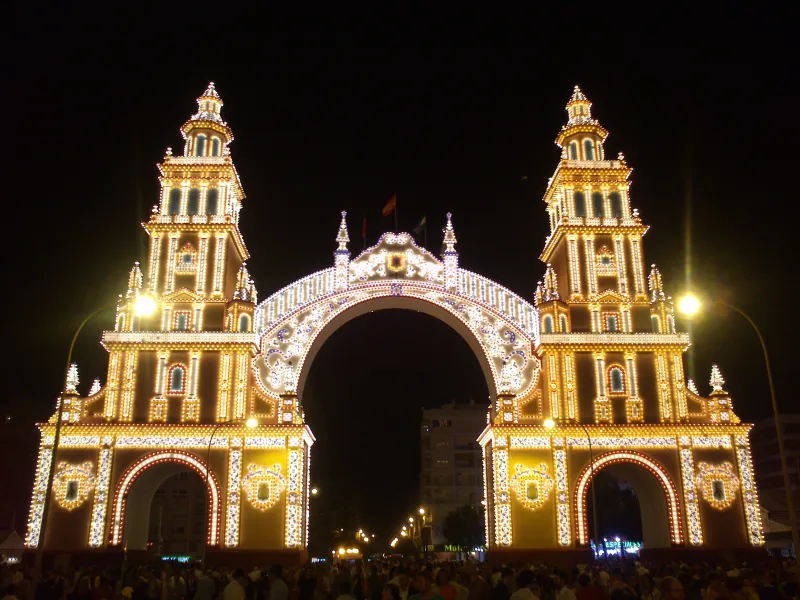
Feria de Abril Itinerary
How to plan days and nights at Seville's Feria de Abril: understanding the casetas and how to get inside one, what to wear, when the fairground comes alive, the daytime horse paseo, the rides, and how to fit ordinary sightseeing around the fair.
Read guide
Luxury Weekend in Seville
A high-end two-day Seville plan — palace hotels, private guides for the Alcázar and cathedral, rooftop sunsets, spa afternoons, fine dining and a flamenco night, all at an unhurried pace.
Read guide